

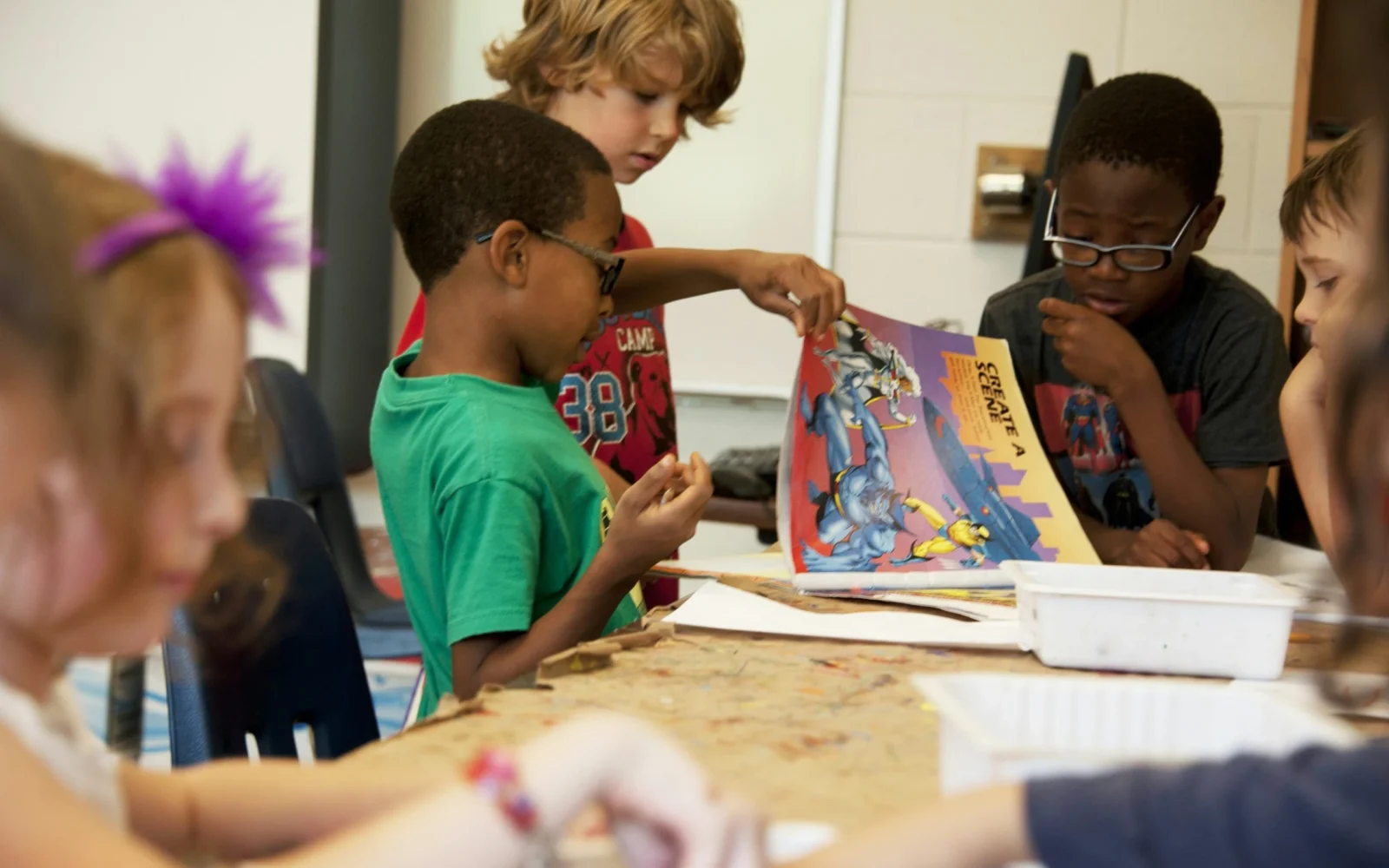
School welfare plays a vital role in creating a safe, supportive, and inclusive learning environment where children can thrive academically, socially, and emotionally. It goes beyond providing education by ensuring that every child’s well-being, safety, and rights are protected. Through effective welfare systems, schools become places where children are nurtured, valued, and empowered to reach their full potential.
Introduction
Children spend a significant portion of their lives in school, making it one of the most influential environments for their growth and development. Beyond academic instruction, schools have a responsibility to ensure the safety, health, and well-being of every learner. School welfare encompasses the policies, programs, and support services designed to protect children from harm while promoting their physical, emotional, social, and mental well-being. A strong school welfare system not only safeguards children but also creates an environment where they can learn with confidence and dignity.
What Is School Welfare?
School welfare refers to the range of services and practices that support students’ overall well-being. These include safeguarding policies, counseling services, health programs, child protection measures, nutritional support, inclusive education, and initiatives that promote positive behavior and mental health. School welfare recognizes that learning is most effective when children feel safe, respected, and supported.
How School Welfare Protects Children
1. Safeguarding Against Abuse and Neglect
One of the primary roles of school welfare is protecting children from physical, emotional, and sexual abuse, as well as neglect. Teachers and welfare staff are often trained to recognize warning signs of abuse and follow established reporting procedures. Early identification and intervention can prevent further harm and connect children with the support they need.
2. Promoting Mental and Emotional Well-being
Children face various emotional challenges, including stress, anxiety, bullying, family problems, and academic pressure. School counselors and welfare officers provide emotional support, guidance, and referrals to professional services when necessary. Mental health programs also help students build resilience, confidence, and healthy coping skills.
3. Preventing Bullying and Violence
A positive school welfare program establishes clear anti-bullying policies and promotes respect, kindness, and inclusion. Schools that actively address bullying create safer learning environments where students feel accepted regardless of their background, abilities, or differences.
4. Supporting Physical Health
School welfare includes health education, regular health screenings, first aid services, immunization awareness, and hygiene promotion. Many schools also provide nutritious meals or feeding programs that improve children’s concentration, attendance, and overall health.
5. Encouraging Attendance and Academic Success
Children who feel safe and supported are more likely to attend school regularly and perform better academically. Welfare officers identify barriers such as poverty, illness, transportation challenges, or family difficulties and work with parents and community agencies to find practical solutions.
6. Protecting Vulnerable Children
Some children require additional support due to disability, poverty, displacement, family instability, or other vulnerabilities. School welfare ensures these learners receive equal opportunities through inclusive education, individualized support, and appropriate accommodation that allow them to participate fully in school life.
The Role of Teachers and School Staff
Every member of the school community contributes to child protection. Teachers observe students daily and are often the first to notice changes in behavior, attendance, or performance that may indicate a problem. By building trusting relationships with students, maintaining confidentiality, and following safeguarding procedures, school staff help create a culture of protection and care.
The Importance of Parent and Community Partnerships
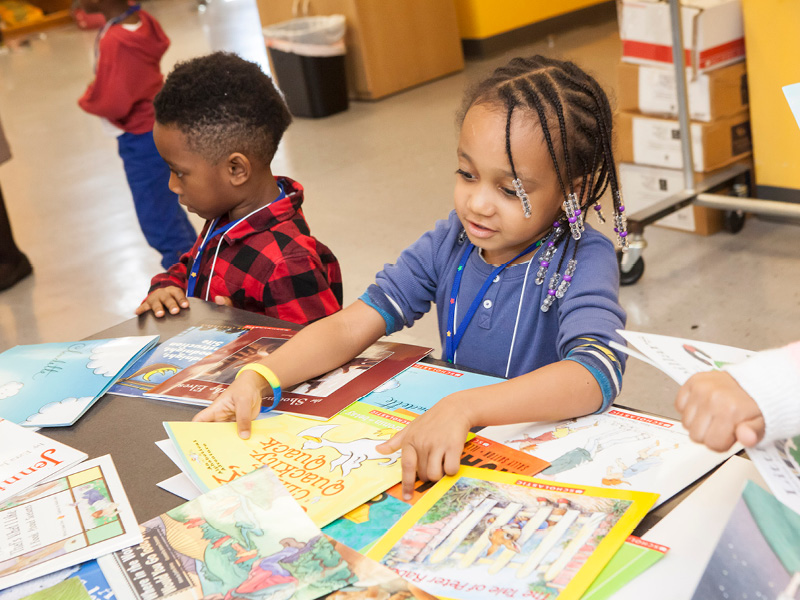
Effective school welfare depends on strong collaboration between schools, parents, healthcare providers, social workers, and community organizations. Open communication enables early identification of challenges and ensures children receive consistent support both at school and at home. Community partnerships also strengthen child protection efforts through shared resources and expertise.
Challenges Facing School Welfare
Despite its importance, school welfare programs often face several challenges, including:
- Limited funding and resources.
- Shortage of trained counselors and welfare officers.
- Inadequate child protection policies.
- Social stigma surrounding mental health.
- High student-to-staff ratios.
- Limited parental involvement in some communities.
Addressing these challenges requires government support, continuous staff training, adequate funding, and stronger collaboration among all stakeholders.
In conclusion School welfare is an essential pillar of child protection. It ensures that schools are not only places of learning but also safe environments where children are respected, protected, and supported in every aspect of their development. By investing in comprehensive welfare programs, schools help prevent abuse, promote well-being, improve academic outcomes, and equip children with the confidence and skills they need to succeed. Protecting children is a shared responsibility, and school welfare remains one of the most effective ways to ensure every child has the opportunity to learn, grow, and flourish in a safe and caring environment.
What Happens if Retirement looks Depressive
Write-up by Ogbene Iye Daniel, Enterprise Department G-Consulting international services ltd.