

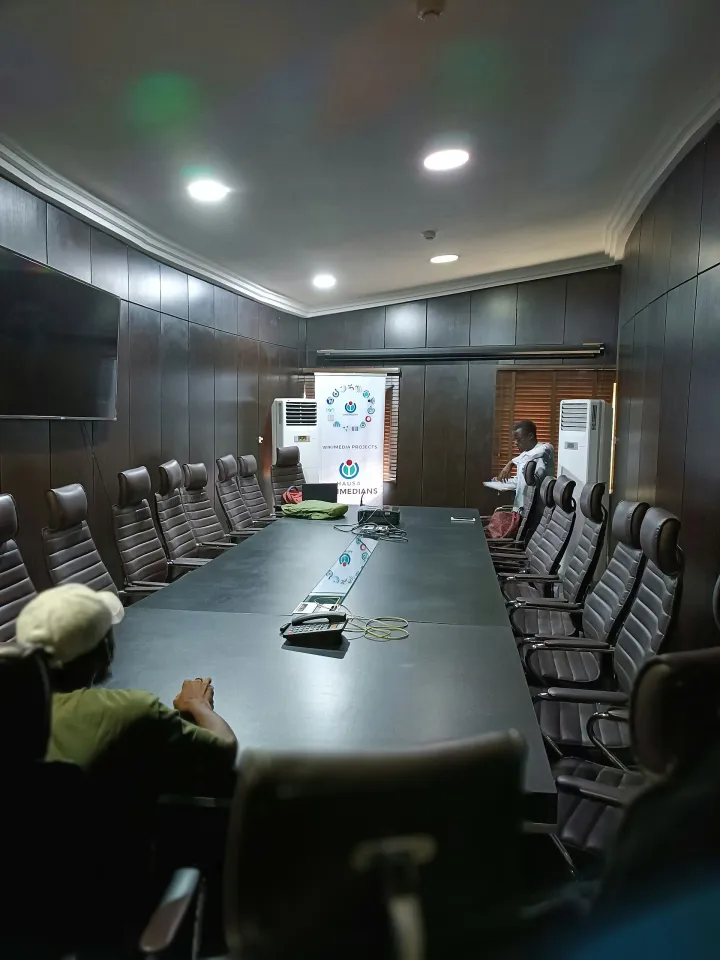
A management meeting can sound productive while leaving the business exactly where it was. Everyone agrees to fix late deliveries, check expenses or call a customer, but the next meeting begins with the same complaints. A management action tracker turns agreements into tasks with owners, deadlines and evidence of completion.
Featured image: Em-mustapha · CC BY-SA 4.0 · Source
This is a practical procedure for Nigerian SMEs, agribusiness groups and managers who cannot afford repeated confusion. It is not a claim that every business needs expensive project software. A shared spreadsheet, notebook or printed page may be enough, provided one person maintains the record and people accept responsibility.
Separate an actual decision from a discussion
Meetings contain observations, suggestions, decisions and assignments. These are not identical. ‘Transport costs are high’ describes a problem. ‘Compare delivery routes by next Thursday’ is an action only when the team names who will do it and what result is expected. Do not fill an action register with every sentence spoken.
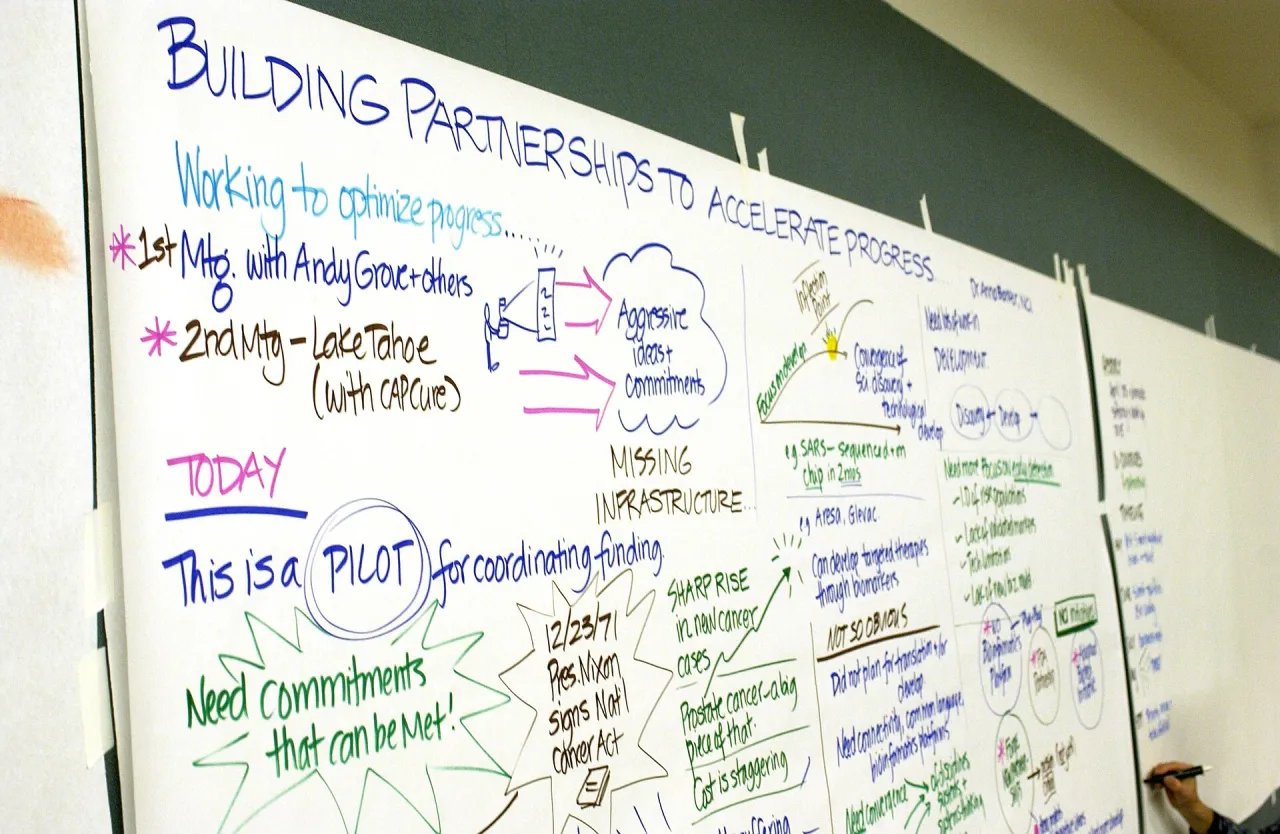
The ILO Start and Improve Your Business programme addresses enterprise planning, management and business improvement. Small businesses can use those disciplines through an uncomplicated routine: select a problem, choose a response, assign responsibility and review what changed.
Build a six-column action register
Use columns for action number, task, responsible person, due date, evidence required and status. Add a short notes column for blockers. Use action verbs such as ‘compare’, ‘confirm’, ‘inspect’ or ‘prepare’, followed by a clear deliverable. A task such as ‘work on sales’ is too broad to close objectively.
Illustrative example: Action 07 reads ‘Operations supervisor to compare delivery costs for two routes and bring the figures to Friday’s review.’ Evidence is a short cost comparison using actual business records. It should not be marked complete just because the supervisor says the issue was discussed.
Give every task one accountable owner
Several employees may help, but each task needs one clearly identified person responsible for coordinating it. If everyone is named as owner, nobody may know who should report progress. The manager should also confirm that the employee has the authority, information and working time needed to carry out the task.
Illustrative example: The owner asks the accountant to review overdue invoices, while customer-service staff supply payment correspondence. The action belongs to the accountant, who consolidates findings. This does not override internal financial controls, contract obligations or the need to restrict access to sensitive customer data.
Make deadlines realistic and visible
A date agreed without checking workloads quickly becomes an excuse. Ask the owner what must happen before completion: a supplier reply, a site visit, management approval or access to reliable data. Record dependencies explicitly. Break a large task into smaller milestones when necessary, but do not create endless checkboxes that obscure the result.
An example is developing a new staff rota. Rather than promising a full system overnight, the manager might request a draft, review it with affected staff and confirm a start date. These steps are illustrative. Any changes affecting contractual employment conditions warrant appropriate professional review.

Review the evidence, not the confidence of the speaker
At each meeting, start with the oldest open actions. Ask what is complete, what evidence supports completion and what remains blocked. Replace vague statements such as ‘almost done’ with a factual progress note. If the task no longer makes sense, close it as cancelled with a reason; do not silently delete it.
For a finance-related action, the World Bank SME finance resource provides context about the funding constraints experienced by smaller enterprises. Management teams should pay particular attention to follow-through on cash and supplier commitments because decisions about scarce resources may have direct operating consequences.
Track a few useful patterns without punishing honesty
Count actions completed when agreed, tasks still awaiting approval and recurring blockers. The purpose is to improve planning, not embarrass employees. If actions repeatedly miss deadlines because the same person handles too many assignments, change the workflow rather than assuming laziness. Ask for explanations supported by events and records.
The World Bank’s October 2026 remarks on MSMEs and data discuss the importance of business data in making smaller firms more visible. That does not validate a particular management score. It does support the broader value of organised information; keep any performance interpretation cautious and transparent.

Keep the register useful between meetings
Share a clear, current version with people who need it. Avoid sending uncontrolled copies around group chats when the document contains private customer or employee information. Mark completed tasks, retain a short decision history and arrange a review date. When responsibilities change, record the handover so important work does not disappear.
G-Consulting’s training and consultancy profile places practical organisational management within its field of work. The training facility page is an existing site resource for teams considering formal learning sessions; check actual availability directly rather than assuming there is a scheduled programme.
Use the next meeting to improve the business
Choose only a handful of priority actions that the team can genuinely finish. Make financial, customer and safety-critical commitments visible without sharing sensitive detail unnecessarily. After several weeks, ask whether the tracker helped deliver a tangible improvement: a resolved complaint, a reliable supplier decision or a corrected process.
A management action tracker is successful when it reduces repeated conversations and gives staff a practical way to report progress and seek help. The register is not the achievement itself. Better decisions, fair accountability and completed work are the achievements it should make easier.