
The $5.79 billion financing announcement made by the Federal Ministry of Finance in October 2026 has drawn attention to investment in digital infrastructure, agriculture and small enterprises. The amount sounds enormous, but the ministry described it as potential private financing supported by World Bank Group efforts, not money immediately deposited into the accounts of business owners.
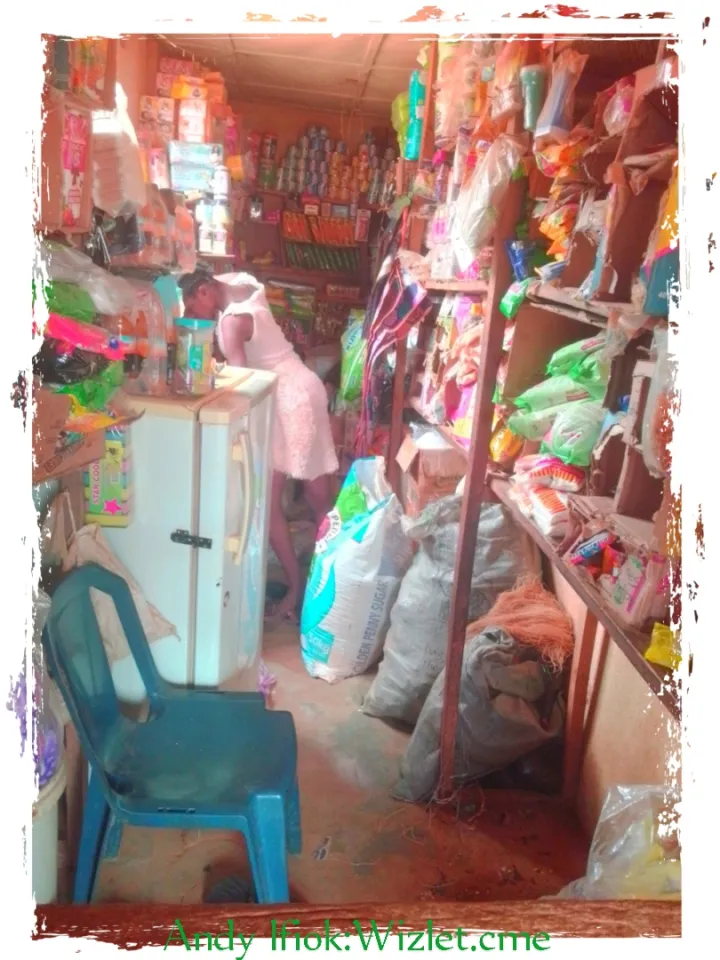
Featured image: Andy Ifiok. E · CC BY-SA 4.0 · Source
That distinction matters to a trader in Abuja or a processing company in Kano. Large development initiatives can influence the environment in which businesses operate, but there may be many steps between a ministerial announcement and an accessible financing product. Entrepreneurs should check actual programme rules rather than respond to unverified application messages.
What the October announcement says
In its 12 October statement, the ministry referred to up to $5.79 billion in potential financing in fiscal year 2026. It mentioned the BRIDGE digital infrastructure project, AGROW agricultural value-chain initiative and FINCLUDE initiative for inclusive finance for small enterprises.

The statement presents these as mechanisms for mobilising investment and productive capital. It does not establish that every small enterprise can apply for a grant, that an application window is open or that a bank must offer a particular loan. Such details need confirmation from authorised implementation sources.
Why development finance differs from ordinary lending
Development financing may involve risk sharing, infrastructure projects and partnerships rather than direct payments to individual traders. A programme supporting internet connectivity, for example, could have indirect business benefits without a transfer of money to a shop owner. Equally, agricultural finance may be channelled through approved intermediaries.
The World Bank’s SME finance resource describes wider financial access problems among smaller firms. Its discussion helps explain why institutions pursue specialised financing arrangements, but it cannot substitute for the terms of a particular product or project.

What agricultural operators might monitor
Farming cooperatives and food processors should watch for officially published value-chain priorities, eligible locations, implementation partners and actual application requirements. A rice trader considering a storage expansion needs to know whether any relevant support has started, not simply that a large national investment figure was announced.
Illustrative example: A fictitious cassava processor in Kwara plans to buy packaging equipment. The owner compares personal funds, supplier quotations and likely order volume while checking verified programmes. No promised financing is included in the budget until there is reliable documentation and an actual agreement.
Digital infrastructure has a wider business effect
Connectivity can matter to payments, online ordering, training, record management and customer contact. An initiative improving infrastructure could help certain businesses indirectly over time. But owners should avoid predicting that internet costs will fall by a specific percentage or that every community will be covered.
A small service provider can prepare by maintaining accurate customer records, reviewing digital risks and assessing whether online transactions fit its customers. These actions are sensible regardless of when or how a major project is implemented.
Beware of an announcement being used as a scam
When a public statement includes a large number, unofficial agents may claim they can secure an allocation for a processing fee. An enterprise should confirm the programme name, responsible organisation, authorised application channel and current status. Do not pay a stranger based on a social-media flyer or an unverified message.
Illustrative example: A supposed consultant promises guaranteed access to FINCLUDE funding through an unfamiliar form. The business owner checks the ministry and approved institutional channels before sharing details. This is a general precaution, not an allegation against any named organisation.

Build business readiness without assuming approval
Regardless of future opportunities, good records help firms understand what financing they can responsibly use. Track actual sales, expenses, debts, inventory and planned investment. Explain how a proposed purchase may generate value, while allowing for uncertainty and costs that could rise.
The SMEDAN website provides an official entry point for enterprise support information. Any current offering must be checked on its relevant page. G-Consulting’s consultancy profile and contact resource provide the site’s existing business context; this article does not announce an in-house finance scheme.
What to watch next
The most important future developments will be concrete implementation details, verified investment commitments, responsible agencies and accessible channels for eligible enterprises. Until those exist, describe the $5.79 billion figure as potential mobilisation rather than actual disbursements.
Owners should welcome credible investment efforts while remaining disciplined about their own cash needs and evidence. The financing announcement is significant as a policy direction, but results will depend on what is implemented, who can access it and how those outcomes are measured.