

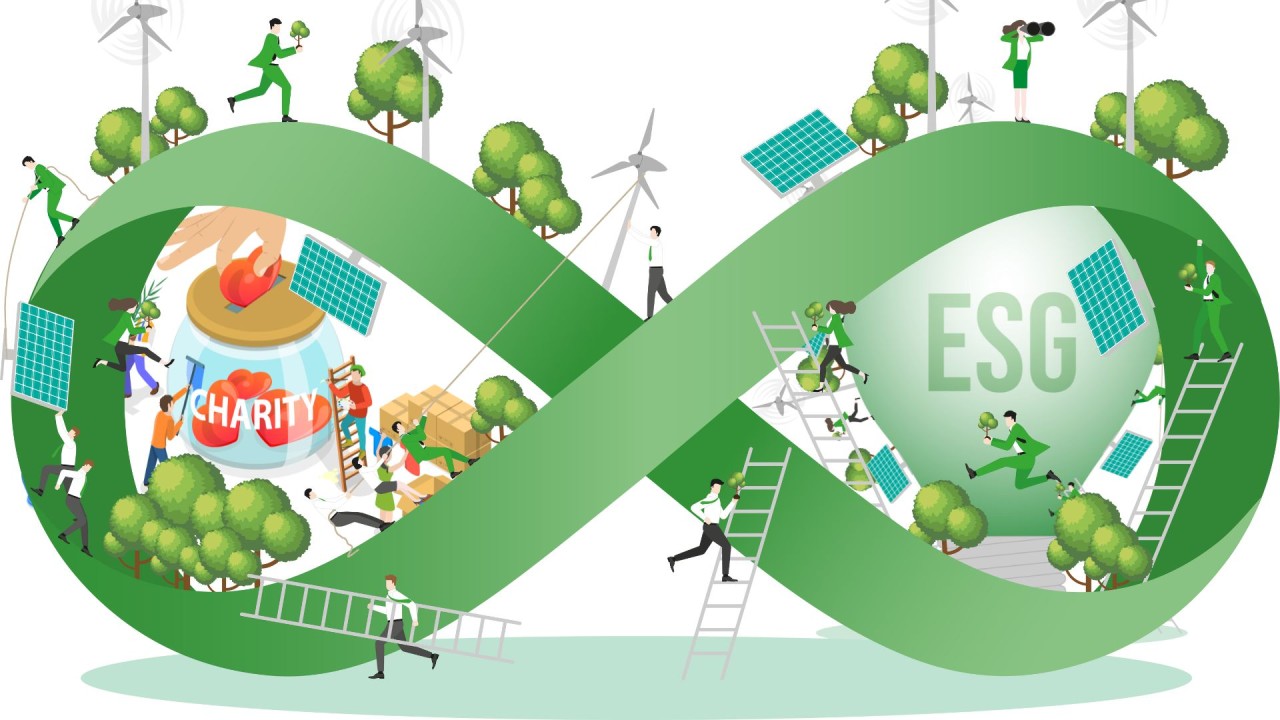
In today’s rapidly changing global economy, businesses are no longer judged solely by profitability. Investors, governments, customers, employees, and development partners increasingly want to know how organizations impact the environment, treat people, and govern their operations. This shift has brought the concept of ESG — Environmental, Social, and Governance — to the center of modern business strategy.
ESG is no longer just a corporate buzzword. It has become a major framework for measuring sustainability, ethical business conduct, long-term value creation, and organizational responsibility.
Also read: Minimum Wage versus Living Wage in Nigeria: Understanding the Difference
What is ESG?
ESG stands for:
- E – Environmental
- S – Social
- G – Governance
These three pillars are used to evaluate how responsibly and sustainably an organization operates beyond financial performance.
ESG helps organizations assess:
- environmental impact,
- social responsibility,
- ethical leadership,
- operational transparency,
- and long-term sustainability.
Today, ESG principles influence investment decisions, procurement processes, donor funding, business partnerships, and corporate reputation across the world.
The Environmental (E) Component
The Environmental aspect of ESG focuses on how a business affects the natural environment and how it manages environmental risks and sustainability.
This includes:
- climate change mitigation,
- energy efficiency,
- waste management,
- pollution control,
- sustainable resource use,
- carbon emissions reduction,
- water conservation,
- and environmental compliance.
Organizations are increasingly expected to adopt environmentally responsible practices such as:
- reducing paper waste through digital systems,
- conserving energy,
- using renewable energy,
- promoting recycling,
- and supporting sustainable agriculture and production systems.
For businesses in sectors like agriculture, manufacturing, construction, and energy, environmental responsibility is especially critical because of their direct interaction with natural resources.
In Nigeria and across Africa, climate change, deforestation, flooding, desertification, and environmental pollution have made environmental sustainability an urgent priority for governments and businesses alike.
The Social (S) Component
The Social pillar examines how organizations manage relationships with employees, customers, communities, suppliers, and society at large.
It focuses on issues such as:
- employee welfare,
- workplace safety,
- diversity and inclusion,
- gender equality,
- labour practices,
- human rights,
- community engagement,
- customer protection,
- and social impact.
A socially responsible organization promotes:
- fair wages,
- equal opportunities,
- safe working conditions,
- employee development,
- and inclusive participation.
Businesses are increasingly evaluated on how they:
- support women and youth empowerment,
- contribute to local communities,
- manage employee wellbeing,
- and address social inequalities.
Organizations that prioritize strong social policies often experience:
- improved staff loyalty,
- stronger public trust,
- better productivity,
- reduced conflict,
- and stronger long-term sustainability.
The rise of discussions around minimum wage versus living wage is also closely linked to the “Social” aspect of ESG.
The Governance (G) Component
Governance refers to how an organization is managed, directed, and controlled.
Also read: The Importance of Asset Register in the Management of Modern Organizations
This includes:
- ethical leadership,
- transparency,
- accountability,
- anti-corruption practices,
- risk management,
- compliance systems,
- board structure,
- internal controls,
- and decision-making processes.
Good governance ensures that organizations operate responsibly and ethically while protecting the interests of employees, investors, customers, and stakeholders.
Strong governance practices include:
- clear policies and procedures,
- financial accountability,
- conflict-of-interest management,
- ethical procurement,
- regulatory compliance,
- whistleblower protection,
- and transparent reporting systems.
In many developing economies, governance failures such as corruption, weak accountability, and poor regulatory compliance have negatively affected economic growth and investor confidence. As a result, ESG governance standards are becoming increasingly important for attracting international partnerships and investments.
Why ESG Matters Today
ESG has become important because businesses now operate in an environment where stakeholders expect more than profits alone.
Organizations with strong ESG performance are often viewed as:
- more sustainable,
- lower risk,
- socially responsible,
- and better prepared for long-term success.
Many investors and donor organizations now consider ESG criteria before:
- approving funding,
- awarding contracts,
- investing in companies,
- or forming strategic partnerships.
In procurement processes, especially those involving development agencies, NGOs, and international institutions, ESG compliance has become a significant evaluation factor.
Companies that demonstrate:
- gender responsiveness,
- employee welfare,
- environmental responsibility,
- ethical leadership,
- and social impact
often gain stronger competitive advantages.
ESG in Nigeria and Africa
Across Nigeria and Africa, ESG adoption is growing steadily. Governments, financial institutions, development organizations, and private companies are beginning to integrate ESG principles into their operations.
Several factors are driving this trend:
- climate change concerns,
- rising youth unemployment,
- gender inequality,
- investor expectations,
- global sustainability standards,
- and increasing demand for responsible business practices.
Sectors such as:
- agriculture,
- banking,
- oil and gas,
- manufacturing,
- fintech,
- telecommunications,
- and consulting
are increasingly incorporating ESG frameworks into strategy and reporting.
Development-focused organizations like G-Consulting International Services Ltd demonstrate elements of ESG through:
- gender-responsive policies,
- capacity-building programmes,
- community development initiatives,
- employee welfare commitments,
- environmental sustainability awareness,
- and ethical business practices.
Benefits of ESG to Organizations
Organizations that embrace ESG can benefit from:
- improved reputation and brand trust;
- stronger investor confidence;
- better access to international funding opportunities;
- improved employee retention and productivity;
- reduced operational and legal risks;
- enhanced innovation and sustainability;
- and stronger stakeholder relationships.
ESG also helps businesses prepare for future regulatory and market expectations.
Challenges of ESG Implementation
Despite its benefits, ESG implementation can present challenges, especially for SMEs and developing economies.
Common challenges include:
- limited awareness and expertise;
- financial constraints;
- weak regulatory enforcement;
- poor data collection systems;
- lack of sustainability reporting frameworks;
- and resistance to organizational change.
However, ESG adoption does not always require expensive systems. Many organizations can begin with simple improvements such as:
- creating workplace policies,
- promoting gender inclusion,
- reducing waste,
- improving transparency,
- and investing in employee wellbeing.
The Future of ESG
ESG is expected to become even more important in the future as:
- climate concerns increase;
- sustainability regulations expand;
- socially conscious investing grows;
- and stakeholders demand greater accountability.
Businesses that ignore ESG risks may face:
- reputational damage,
- reduced funding opportunities,
- regulatory penalties,
- and declining competitiveness.
On the other hand, organizations that integrate ESG into their operations are more likely to achieve sustainable growth and long-term resilience.
ESG represents a shift from traditional profit-only business models toward more responsible, sustainable, and people-centered approaches to economic growth.
Environmental sustainability, social responsibility, and good governance are no longer optional extras — they are becoming essential pillars of modern organizational success.
Also read: SheSpire Diaries: Rebranding And Consistency For Every Woman In Business
For Nigeria and Africa, ESG offers an opportunity to build businesses and institutions that are not only profitable but also ethical, inclusive, environmentally responsible, and sustainable for future generations.
By Dr. Godfrey Ajayi Sunday
Group Managing Director
G-consulting International Services Ltd