

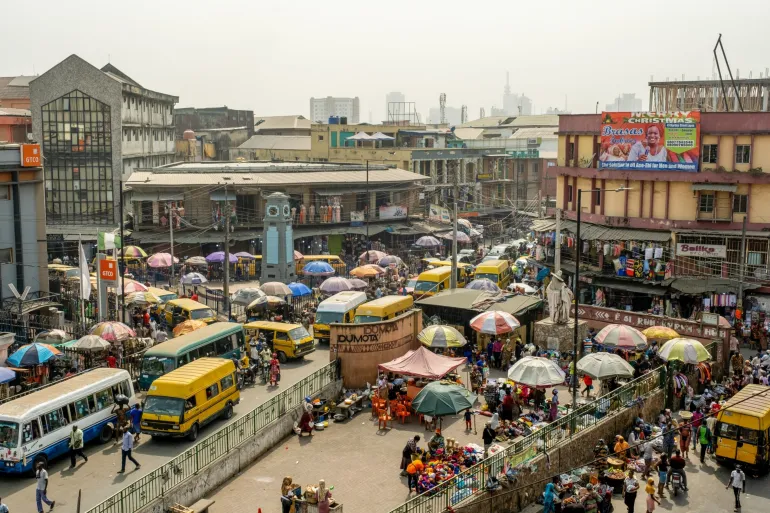
Micro, Small, and Medium Enterprises (MSMEs) are often described as the backbone of developing economies and in Nigeria, that statement is more than just a cliché. These businesses, ranging from roadside vendors and small-scale farmers to tech startups and growing manufacturing firms, play a vital role in shaping the country’s economic landscape. Their importance spans employment generation, economic diversification, innovation, and poverty reduction.
Also read: The Power of Discipline
1. Engines of Job Creation
Nigeria faces a persistent challenge of unemployment and underemployment, particularly among its youth population. MSMEs step in as a critical solution. They account for a significant portion of total employment in the country, offering opportunities across both urban and rural areas. Unlike large corporations that may require specialized skills or limited hiring, MSMEs often provide entry-level opportunities and flexible work arrangements, absorbing a wide range of labor.
By creating jobs at scale, MSMEs help reduce poverty and improve household incomes, which in turn boosts consumer spending and strengthens the overall economy.
2. Drivers of Economic Diversification
Nigeria’s economy has long depended heavily on oil revenues, making it vulnerable to global price shocks. MSMEs contribute to reducing this dependency by promoting activity across diverse sectors such as agriculture, manufacturing, retail, services, and technology.
For example, small agro-processing businesses add value to raw agricultural products, while local manufacturers reduce reliance on imports. This diversification not only stabilizes the economy but also builds resilience against external economic pressures.
3. Catalysts for Innovation and Entrepreneurship
MSMEs are often more agile and adaptable than large corporations. This flexibility allows them to experiment, innovate, and respond quickly to changing market needs. In Nigeria’s growing digital economy, many startups and small businesses are pioneering solutions in fintech, e-commerce, logistics, and education.
Entrepreneurship thrives in this environment, encouraging individuals to create businesses that solve local problems. Over time, these innovations can scale and contribute significantly to national productivity and competitiveness.
4. Strengthening Local Economies
MSMEs are deeply rooted in their communities. They source materials locally, employ local workers, and serve local customers. This creates a multiplier effect, where money circulates within communities, stimulating further economic activity.
In rural areas especially, MSMEs play a crucial role in development by providing access to goods and services that might otherwise be unavailable. They also help reduce rural-urban migration by creating opportunities closer to home.
5. Promoting Inclusive Growth
One of the defining features of MSMEs in Nigeria is their accessibility. They provide opportunities for women, youth, and marginalized groups who may face barriers in formal employment sectors. Many women-owned businesses fall within the MSME category, making these enterprises key to advancing gender equality and financial inclusion.
Through inclusive participation, MSMEs help ensure that economic growth benefits a broader segment of the population.
6. Contribution to GDP
Although individually small, MSMEs collectively contribute a substantial share to Nigeria’s Gross Domestic Product (GDP). Their widespread presence across sectors means that their combined output significantly influences economic performance.
With the right support such as access to finance, infrastructure, and favorable policies their contribution could grow even further, unlocking new levels of economic potential.
Also read: Why Careers Fail Without Strategy.
Challenges Facing MSMEs
Despite their importance, MSMEs in Nigeria face several constraints. Limited access to affordable financing, inconsistent power supply, regulatory bottlenecks, and inadequate infrastructure can hinder their growth. Many businesses also struggle with digital adoption and market access.
Addressing these challenges requires coordinated efforts from government, financial institutions, and the private sector. Policies that improve ease of doing business, expand credit access, and invest in infrastructure are essential.
Conclusion
MSMEs are not just small businesses they are the lifeblood of Nigeria’s economy. They create jobs, drive innovation, diversify income sources, and promote inclusive growth. As Nigeria continues its journey toward sustainable development, empowering MSMEs should remain a top priority.
By investing in their growth and removing barriers to their success, Nigeria can unlock a more resilient, inclusive, and prosperous economic future.
Blog_2604OGB_Title: Why MSMEs Matter To Nigeria Economy.
Write-up By: Ogbene Iye Daniel
Head of Training and Enterprise
G-Consulting international services Limited.