

SMEDAN announced a new local-government partnership in September 2026, placing small-business support across 774 councils in the spotlight. For shop owners, processors and service providers, the important questions are what the agreement promises, what remains unconfirmed and how to check real opportunities.
Featured image: AdastralNg22 · CC BY-SA 4.0 · Source
SMEDAN’s September agreement explained
On 21 September 2026, the Small and Medium Enterprises Development Agency of Nigeria announced an agreement with the Association of Local Governments of Nigeria. The partnership is intended to strengthen the delivery of enterprise-support programmes across the country’s 774 local government areas. The announcement describes a framework for identifying local businesses and linking them with relevant opportunities.
According to SMEDAN’s official statement, the agreement was signed in Abuja by agency director-general Charles Odii and ALGON president Bello Lawal. That is a confirmed institutional development. It is not evidence that money has already been disbursed to every local council or that any applicant has received approval.
What the local-government approach could change
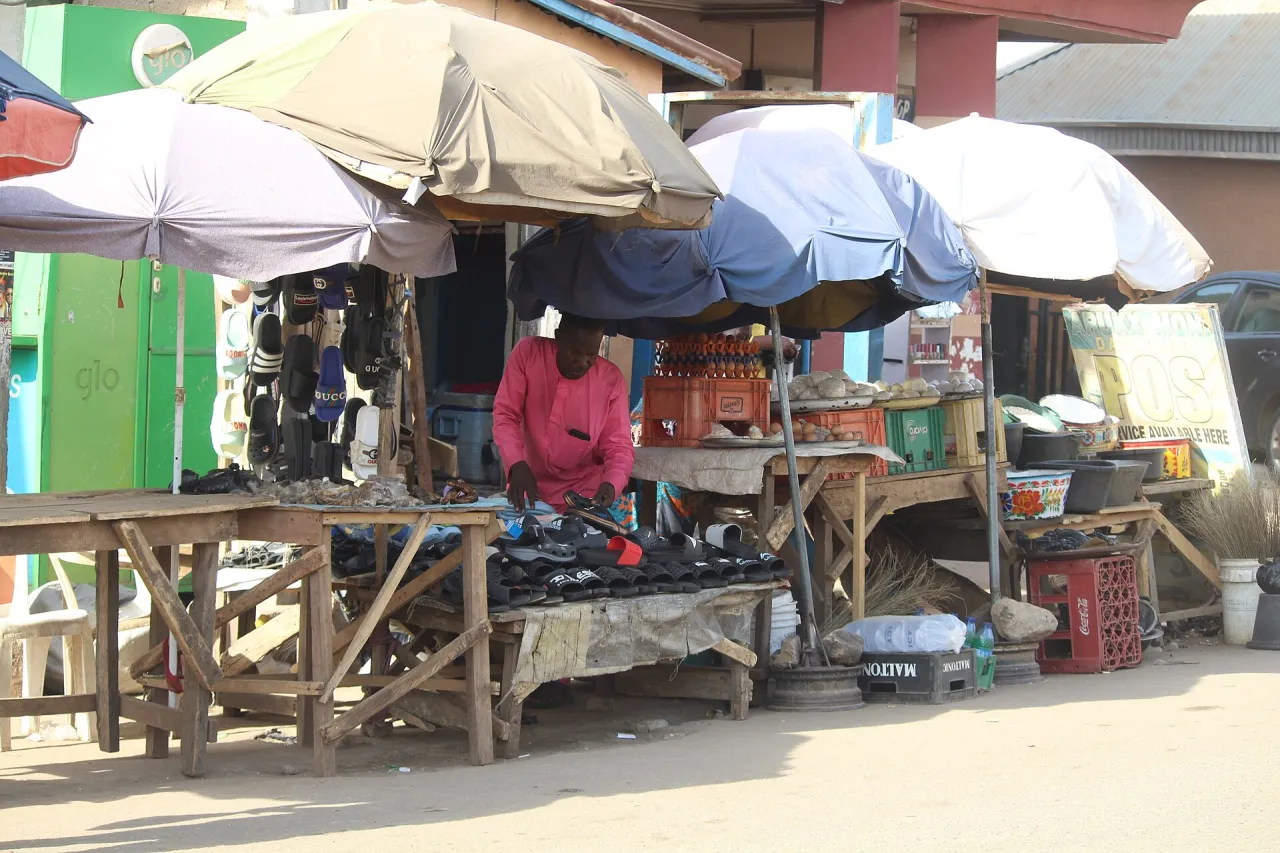
A trader in Ilorin may find it difficult to track a programme advertised only in Abuja. A producer in Kaduna may need practical information about eligibility, market access and training rather than an unfamiliar online form. Local-government participation could make outreach more accessible, but successful delivery depends on implementation, staffing and clear public communication.
Business owners should separate what the memorandum sets out from what their own council has actually announced. Ask whether there is a verified registration channel, an identified contact person, a published timetable and specific eligibility criteria. Do not assume a local office is participating merely because a national partnership was signed.
The One Local Government One Product connection
The official announcement identifies One Local Government One Product, or OLOP, among the programmes that may be supported through grassroots implementation. The idea is to identify products and business potential at the local level and improve connections to resources and markets. The announcement does not establish a universal grant amount or a new application deadline.

Illustrative example: An Ipata Market trader who processes groundnuts might want to understand whether a local enterprise programme covers packaging skills, business documentation or supply links. The sensible next step is to check a verified local communication, not to pay an unknown person claiming guaranteed selection.
Practical records worth preparing now
A business can use this period to organise a short description of its actual activities, products, location, contact information, ownership records where appropriate, recent sales summaries and immediate needs. Keep sensitive details private until a genuine application procedure asks for them through authorised channels. Do not create fake transaction histories to look more established.
For a small food processor, a clear product description and honest information about operating capacity may be useful in discussing support. A service company may instead need to show its training gaps and customer base. The same broad initiative cannot meet every enterprise’s needs, so the first objective is to understand the real programme.
Training is as important as funding
Support can involve skills, planning, market knowledge and better record-keeping, not only loans or grants. The ILO Start and Improve Your Business programme offers an established international example of enterprise training. Its existence does not mean it has been added to the SMEDAN–ALGON agreement; the comparison simply explains why business development can take several forms.
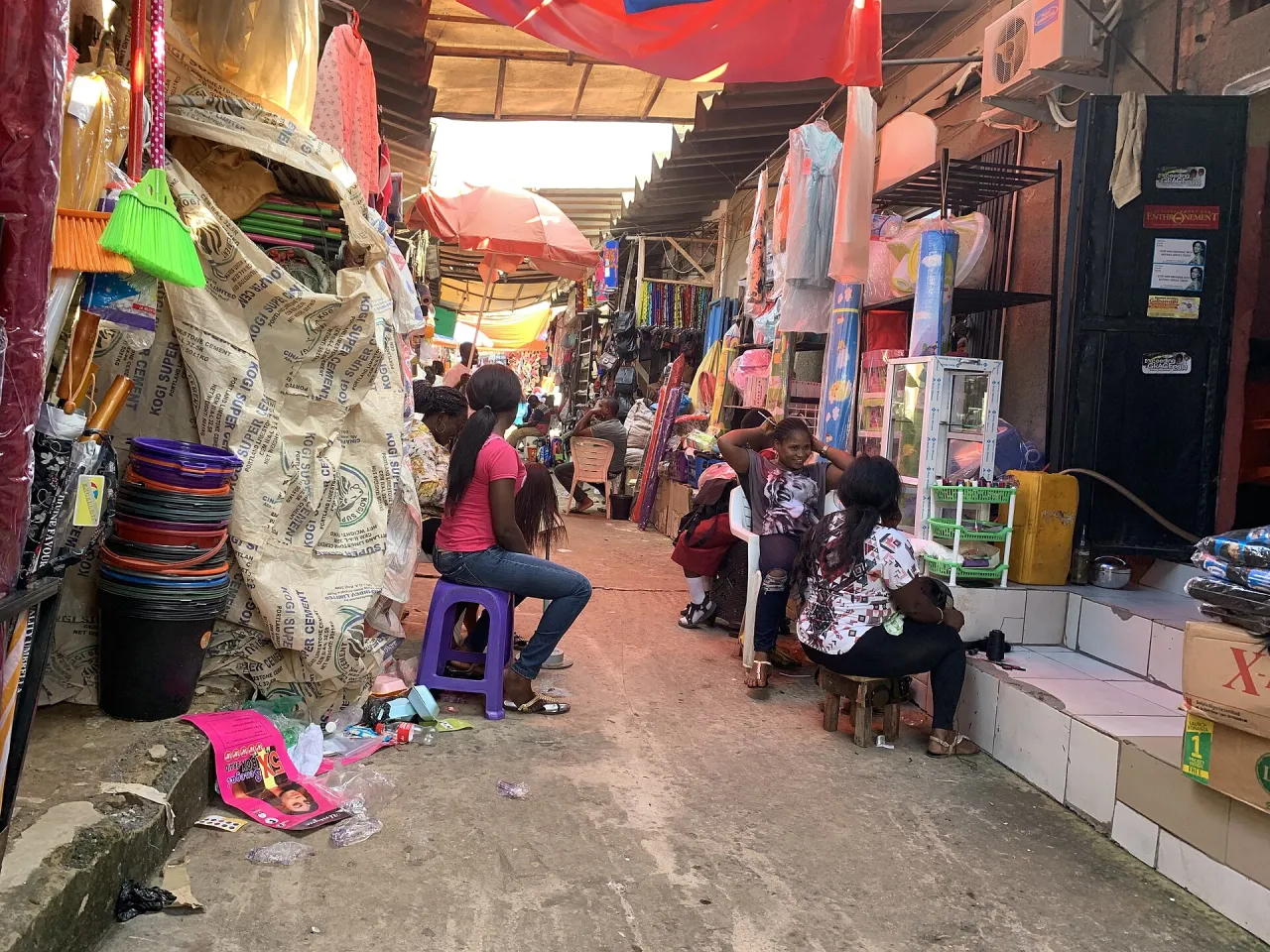
Illustrative example: A stallholder in Garki Market might benefit from learning how to track daily stock and costs before borrowing for a larger shop. Another enterprise may already keep strong records but need technical advice on production. Honest self-assessment makes it easier to ask relevant questions when official opportunities appear.
Market access needs practical follow-through
The FAO Markets and Trade resource covers the broader relationships among agricultural markets, trade and food systems. At community level, linking a local product to buyers still requires dependable quality, volumes, transport and terms. An agreement at national level cannot replace the operational work needed to supply a real customer.
A small producer should ask what market connection is being proposed, whether it is training, promotion, buyer introduction or a commercial contract. Keep any written terms. Do not treat attendance at a public meeting as proof that future sales have been secured.

Where to verify announcements
The official SMEDAN website is the primary place to check its stated initiatives and updates. Business owners should confirm that local-government messages genuinely originate from the council or authorised agency. Be cautious about screenshots that omit dates, bank details circulated through messaging groups and promises requiring advance personal payments.
If a contact claims to be an accredited agent, verify that identity through official channels. Keep copies of public notices and record when information was checked. No publication can replace a current programme’s application documents, especially when criteria may differ among projects.
What businesses can do before any rollout
Owners can make a short list of growth barriers: weak packaging, unreliable suppliers, digital record gaps, limited customer reach or training needs. Rank these problems by their impact and write one realistic question to bring to a verified support meeting. Avoid rushing into new debt or purchases in anticipation of assistance not yet confirmed.
G-Consulting’s business and agribusiness profile and contact resource are relevant internal reading. The value of the SMEDAN announcement will depend on the quality of actual local implementation; until then, owners can prepare reliable information and insist on official updates.