
The NITDA NACCIMA partnership announced in September 2026 brings renewed attention to digital tools, workforce skills and small-enterprise competitiveness across Nigeria. The immediate question for businesses is which parts are officially confirmed and what they can sensibly prepare now.
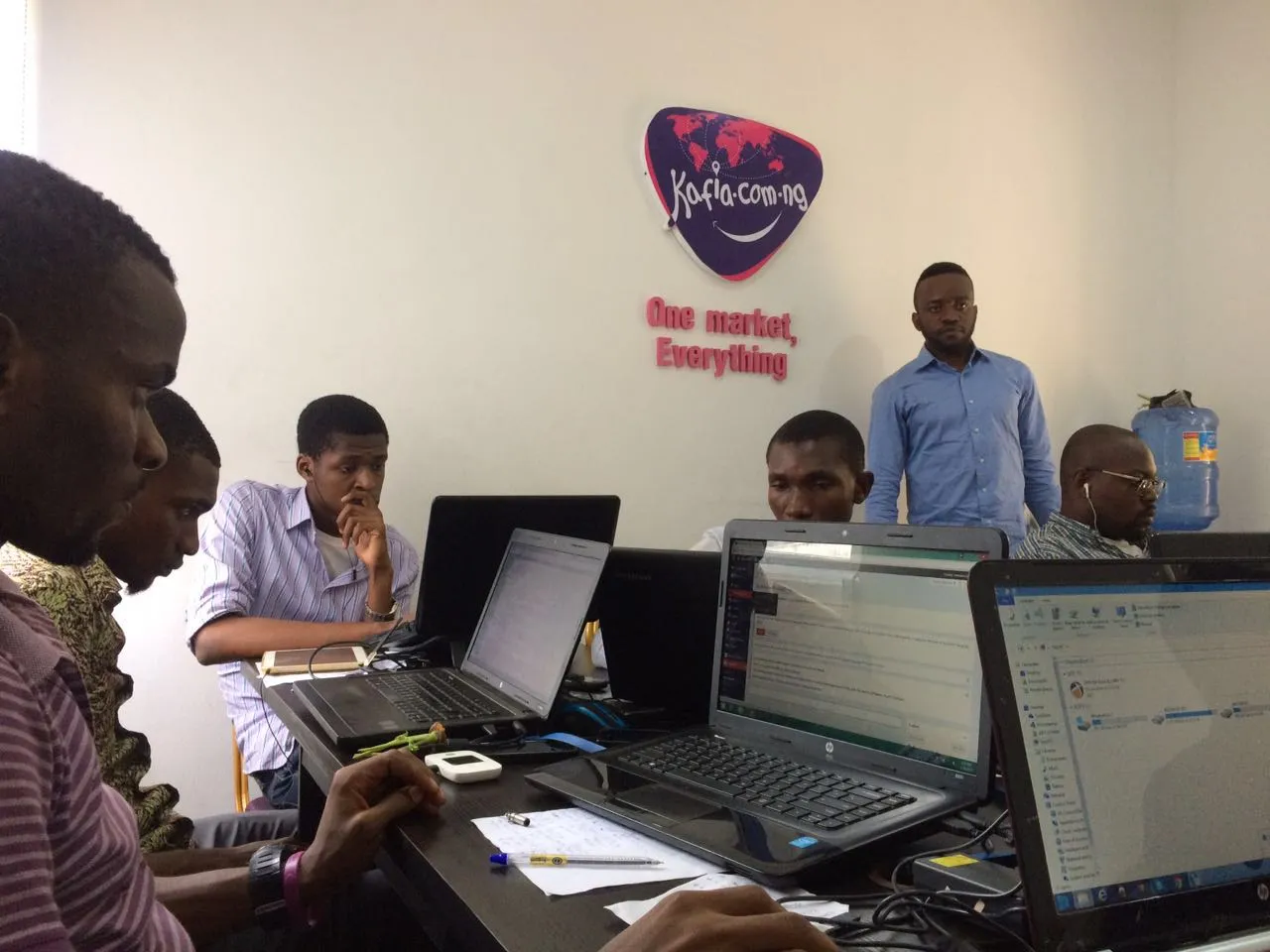
Featured image: Temilolub.52021 · CC BY-SA 4.0 · Source
NITDA NACCIMA partnership: the announcement
The National Information Technology Development Agency and the Association of Chambers of Commerce, Industry, Mines and Agriculture formalised a digital-economy partnership at GITEX Nigeria in September 2026. According to NITDA’s official report, their directors-general signed a memorandum of understanding focused on cooperation between technology institutions and the private sector.
The announcement identifies enterprise digital transformation, technology adoption, capacity building, an ecosystem platform and collaboration around the Digital Nigeria International Conference among the areas of cooperation. A signed memorandum is a framework for future activity. It is not proof that every chamber member has received software, money or a training place.

Why smaller firms should pay attention
The phrase digital transformation can sound expensive, but the basic question for a Lagos retailer or an Abuja service provider is whether technology helps a real business task. That might mean consistent customer records, reliable inventory figures, secure electronic receipts or a website that provides accurate business information. Buying software without a clear problem is not a strategy.
Illustrative example: A textile retailer in Balogun Market accepts online enquiries but struggles to track which orders were confirmed. Before investing in a full e-commerce system, the owner could map the enquiry process, identify missing records and assess a simpler authorised solution. This is a hypothetical case, not an account of a participating business.
What the memorandum does—and does not—promise
The reported agreement seeks collaboration among government institutions, chambers, technology businesses, academic groups and other partners. Those relationships could support knowledge exchange, but implementation details matter: who is eligible, which sectors are prioritised, whether any training is open and how services are funded.

No fee, application deadline, guaranteed grant or new digital credit product should be inferred from the general announcement. Business owners should monitor the official NITDA site and their legitimate chamber communications for published instructions. A screenshot promising automatic enrolment is not equivalent to an authorised notice.
Choose useful digital changes before buying tools
Start with the daily tasks that cause delays or errors. Does the business lose track of outstanding invoices? Are stock entries recorded in several notebooks? Do staff have trouble locating the latest customer quotation? A small improvement should specify the task, responsible person and how the result will be checked.
A fictional workshop in Ilorin might decide to keep customer service requests in one shared, access-controlled record. The team would document how requests enter, who may view them and how closure is confirmed. This would be a sensible learning exercise, not a promise of revenue growth.
Skills and infrastructure both matter
The World Bank’s Digital Jobs and Skills brief discusses digital tools, creation of solutions and risks related to digital activity. Its broad point fits local enterprise development: skills, useful content and responsible operation matter alongside devices. A payment terminal or application is of limited value when staff cannot use it safely.

Training should include customer privacy, password practices, verification of payment records and methods for correcting mistakes. Technical choices also depend on connectivity, power and support arrangements. A company should not assume every task requires artificial intelligence when a clear spreadsheet or properly configured business application may be sufficient.
Keep security in the conversation
A digitalisation plan should establish which information may be collected, who can access it, how users are trained and what to do after an error. Customer addresses, contact details and transaction information should not be copied into unapproved public tools. Security responsibilities should be explicit when a vendor manages a system.
The SMEDAN resource portal is another official source of information for small enterprises. Mentioning SMEDAN does not imply it is an undisclosed partner in every NITDA activity; organisations and programmes should be distinguished accurately. Verify each offer through the agency responsible for it.

How chambers and business groups can prepare
A local trade association can collect recurring needs from members: digital bookkeeping, inventory tools, online customer communication or basic security awareness. It can then seek clarification from the relevant chamber or programme organiser about real opportunities. Group feedback may be helpful, but participation and outcomes remain subject to actual announcements.
Illustrative example: A cluster of small food businesses around Kaduna reports that digital record training would be useful. That observation could inform a request for support. It must not be described as a training programme already approved or funded by the September memorandum.
A realistic next step for business owners
Before changing software, write a one-page summary of the problem, current workflow, staff skills, device or connectivity needs, likely costs and measures of success. Review the plan with people who will actually use it. If a programme is announced later, this documentation can help the business decide whether it fits.
G-Consulting’s consultancy profile and contact page offer relevant internal resources. The NITDA NACCIMA partnership is worth following, but prudent businesses should distinguish its confirmed aims from future implementation and build digital capability around real operational needs.