
A 23 October 2026 announcement about avian influenza surveillance has placed renewed attention on how poultry and related goods move between farms and markets. The Federal Ministry of Livestock Development and the Food and Agriculture Organization called for stronger biosecurity, surveillance, movement controls and cooperation across the poultry value chain.
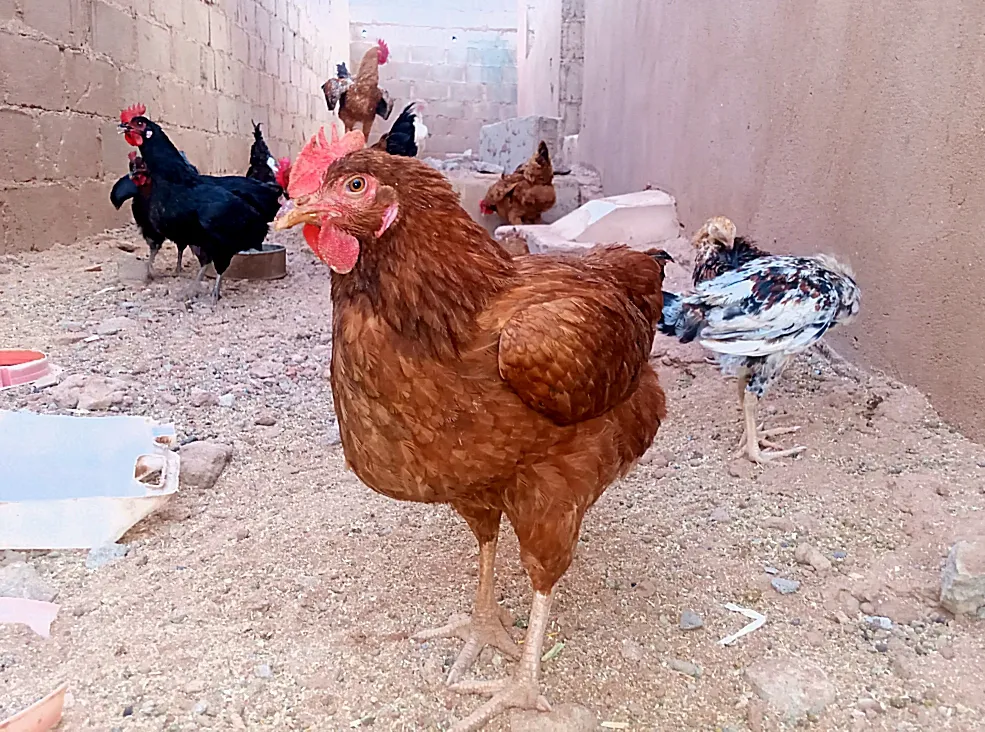
Featured image: Umar2z · CC BY-SA 4.0 · Source
For small poultry operators near Uyo, market traders in Kaduna and transport businesses linking production areas to urban buyers, a disease-control announcement can raise practical questions. It does not mean every bird is infected, nor does it establish new blanket restrictions for every locality. Official local guidance and veterinary advice are essential.
What officials said in Keffi
The ministry’s 23 October report described a workshop held in Keffi, Nasarawa State, on strengthening agricultural quarantine services. Officials identified monitoring and control of movement from affected areas as part of preventing disease spread, together with early detection and coordinated response.
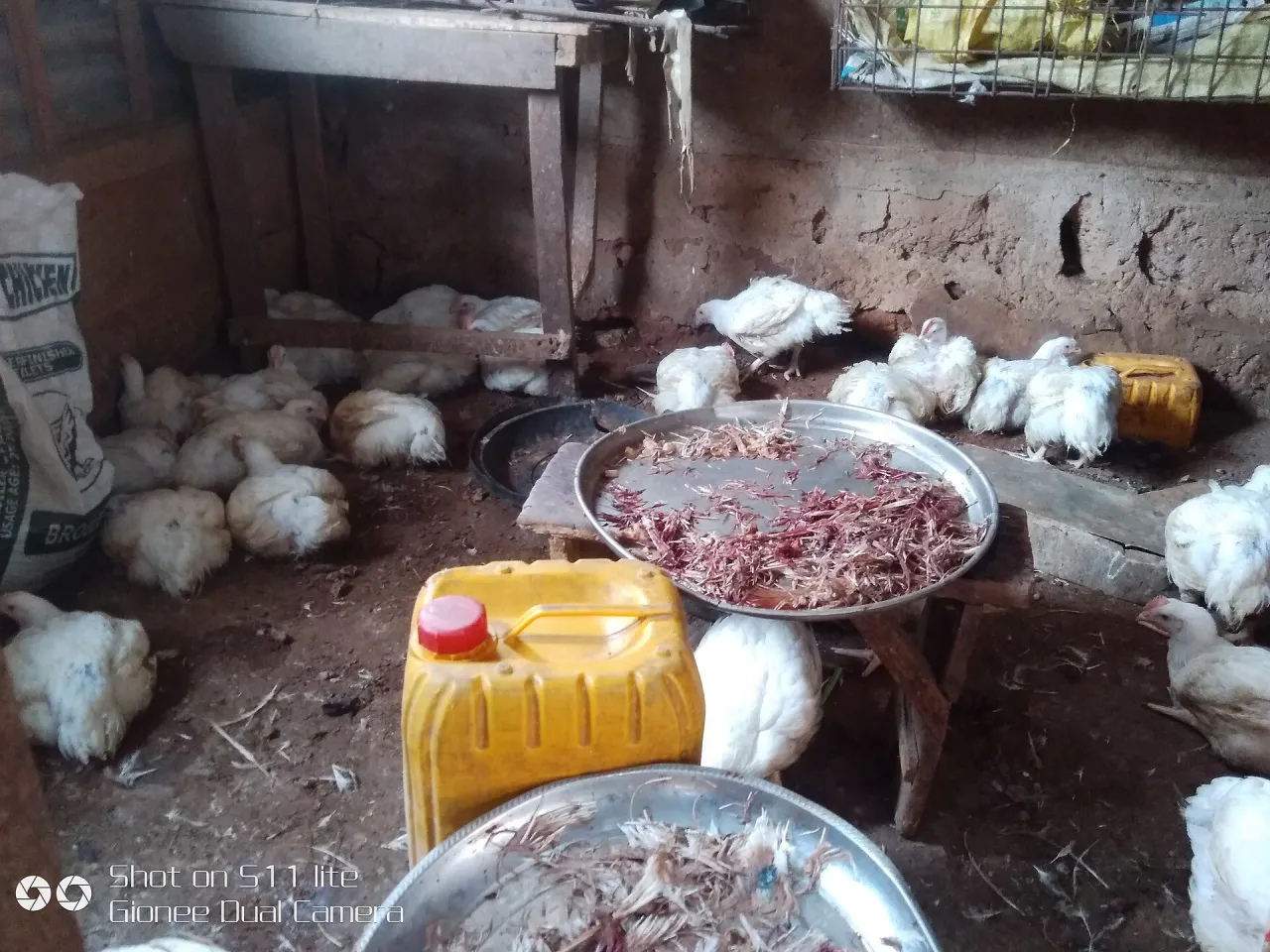
The statement also described FAO technical cooperation support and the need for communication across government and the poultry industry. These facts should not be turned into claims that all farms face a confirmed outbreak or that a specific local market has been closed. Such determinations require current local authorities.
Why movement records can matter
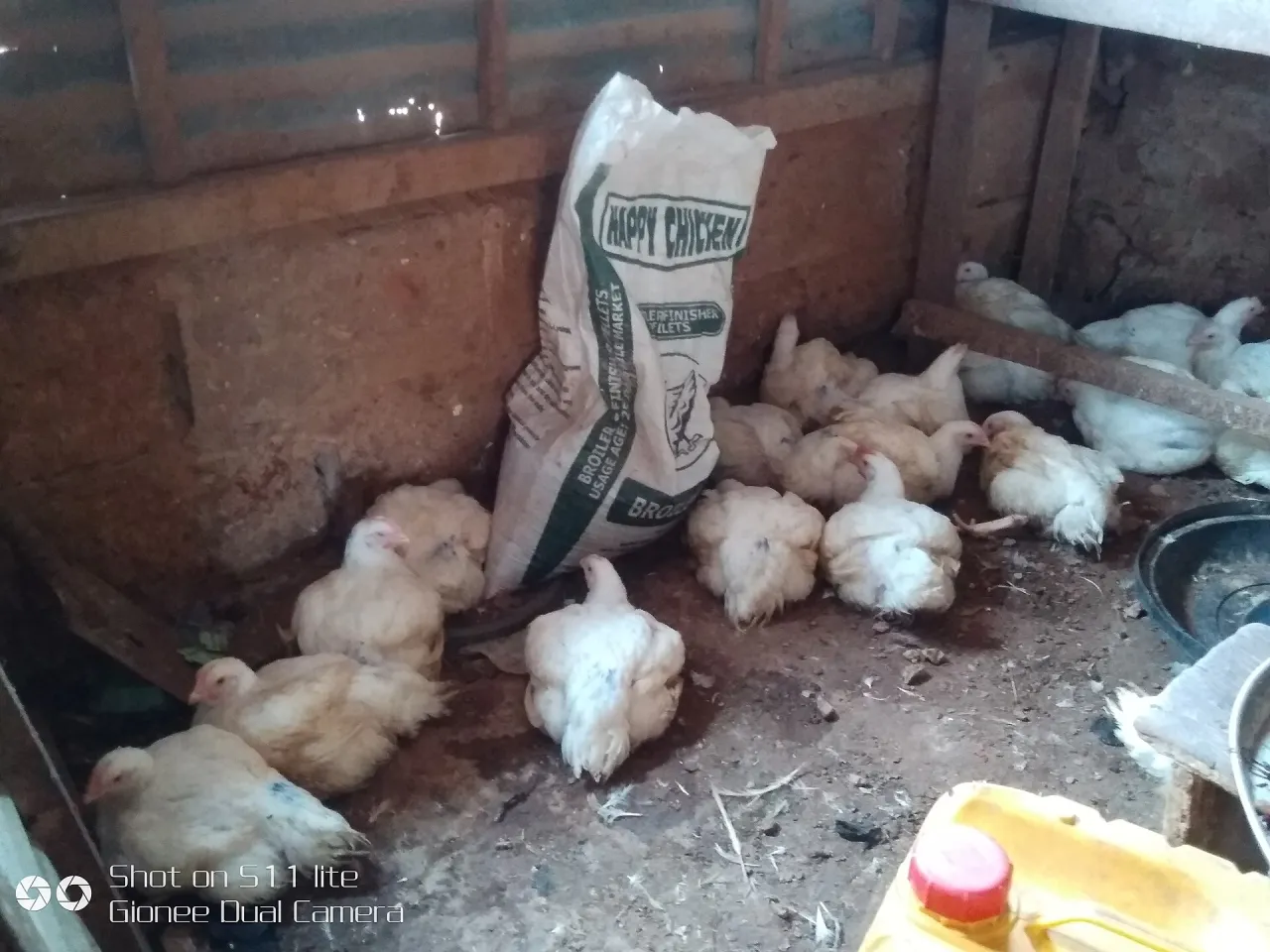
When birds move among farms, traders and markets, incomplete records can make investigations harder. Businesses can ensure they understand official movement requirements and keep appropriate records of suppliers, destinations, dates and responsible contacts, subject to applicable rules.
Illustrative example: A fictional trader receives poultry from several suppliers over a week. A consistent delivery record allows the trader to identify the origin and destination of consignments if a competent authority requests information. This is an example of responsible recordkeeping, not an independently prescribed legal document.
Biosecurity is a professional responsibility
The FAO animal health resource places disease control within a wider system of animal health, food security and livelihoods. Appropriate farm practices depend on species, facility conditions and guidance from trained experts. It is unsafe to diagnose a flock or prescribe medication based on a general news article.
Operators should follow the competent veterinary and public-health authorities, report concerning signs through approved channels and avoid transporting animals contrary to any applicable official restrictions. Staff must not improvise risky disease-control measures without training.
Market operators face communication pressures
An unverified rumour can damage sales or create unnecessary panic. Conversely, dismissing credible official warnings can place livelihoods and animals at risk. Cooperatives and transport businesses should share accurate institutional updates and clearly distinguish confirmed instructions from general precautions.
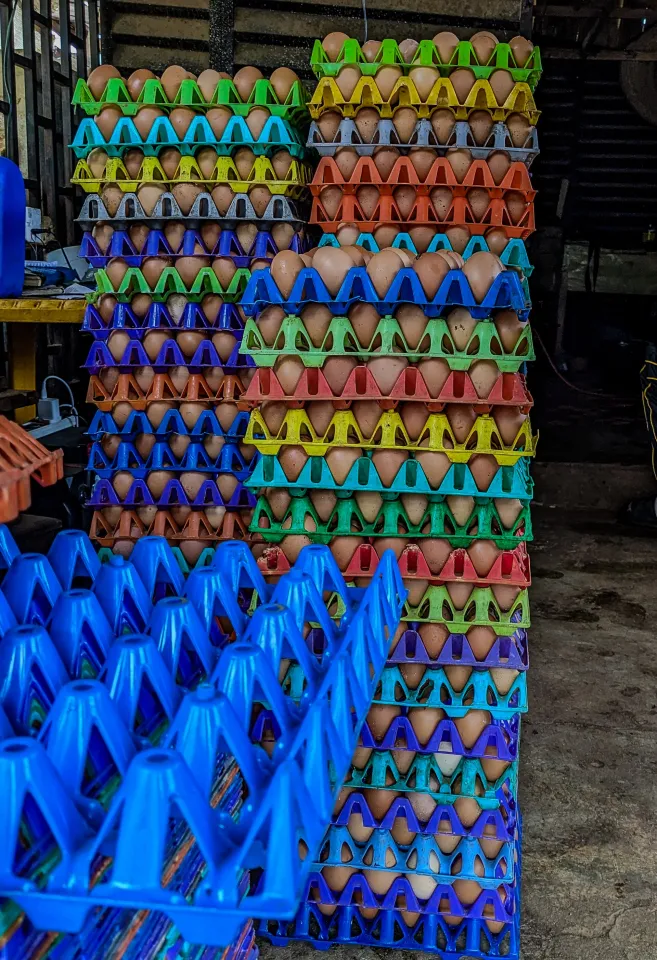
Illustrative example: A customer asks whether all poultry sold in a particular town is unsafe. A business owner should not make a sweeping claim without evidence. It can explain what the relevant authorities have actually announced, check for local notices and direct health questions to qualified professionals.
Training and facility conditions remain important
The FAO poultry production gateway covers housing, production, nutrition, management and animal health. A sensible training programme should help staff understand whom to contact and what records to preserve, alongside specific procedures appropriate to the facility. No single web article can replace tailored professional training.
For a small producer operating on limited resources, the objective is to be prepared rather than to adopt unverified fixes. Practical questions may include how staff are informed of official guidance, where supplier records are stored and who is responsible for notifying the right people.
Separate current facts from future steps
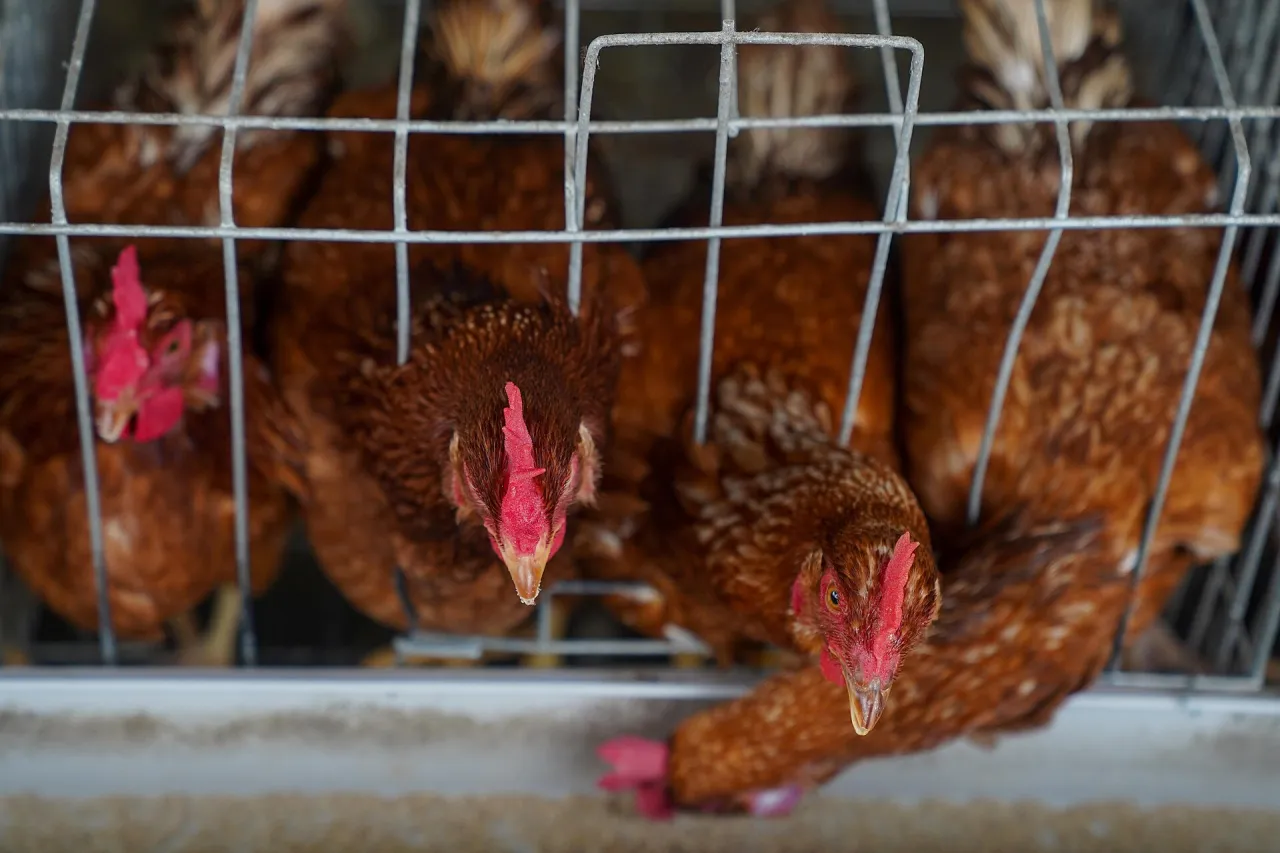
The public statement refers to collaboration and surveillance work. Future measures may depend on updated epidemiological information, official assessments and local implementation. A grant mentioned in the report should not be marketed as an unrestricted payment to farm businesses or an open application for private traders.
As of the 23 October announcement, what is verified is the institutional call for improved response and coordination. G-Consulting’s enterprise advisory profile and agribusiness resource provide site context, not veterinary certification.
What poultry businesses should monitor
Watch for official notices from the livestock ministry, quarantine authorities and relevant state veterinary services. Keep communications consistent and seek reliable professional guidance before changing animal management. For investors and traders, avoid extrapolating one workshop into an unsupported market forecast.
The avian influenza surveillance announcement is an opportunity to strengthen preparedness and the quality of information flowing through the poultry value chain. Confidence comes from verified instructions, competent care and documented decisions, not from claiming that risks have disappeared.