
Two farmers may need the same tractor in the same week, yet neither can afford to own one. An operator who accepts both requests without checking the location, acreage, field condition and travel time may disappoint customers even when the machine itself is working. An organised farm equipment booking system helps turn informal promises into work that can actually be delivered.
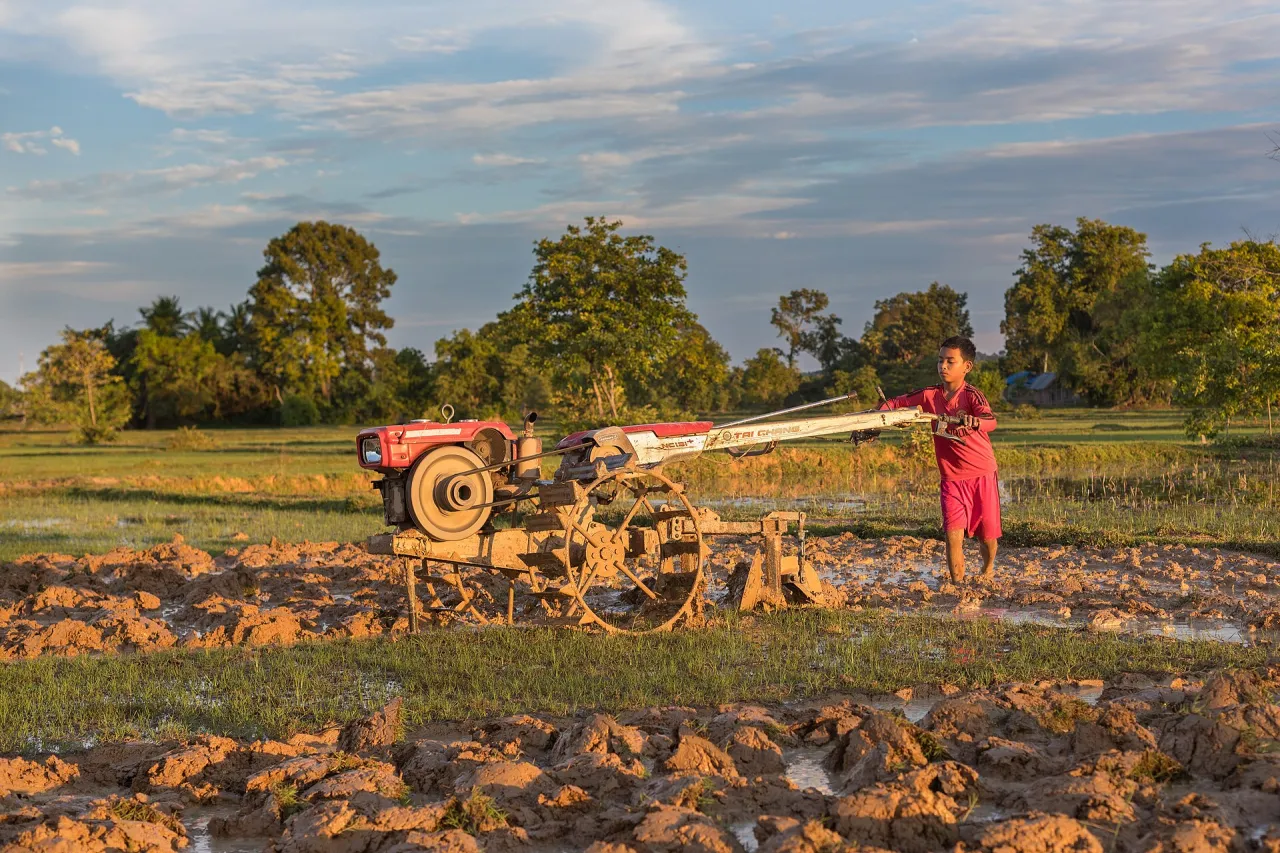
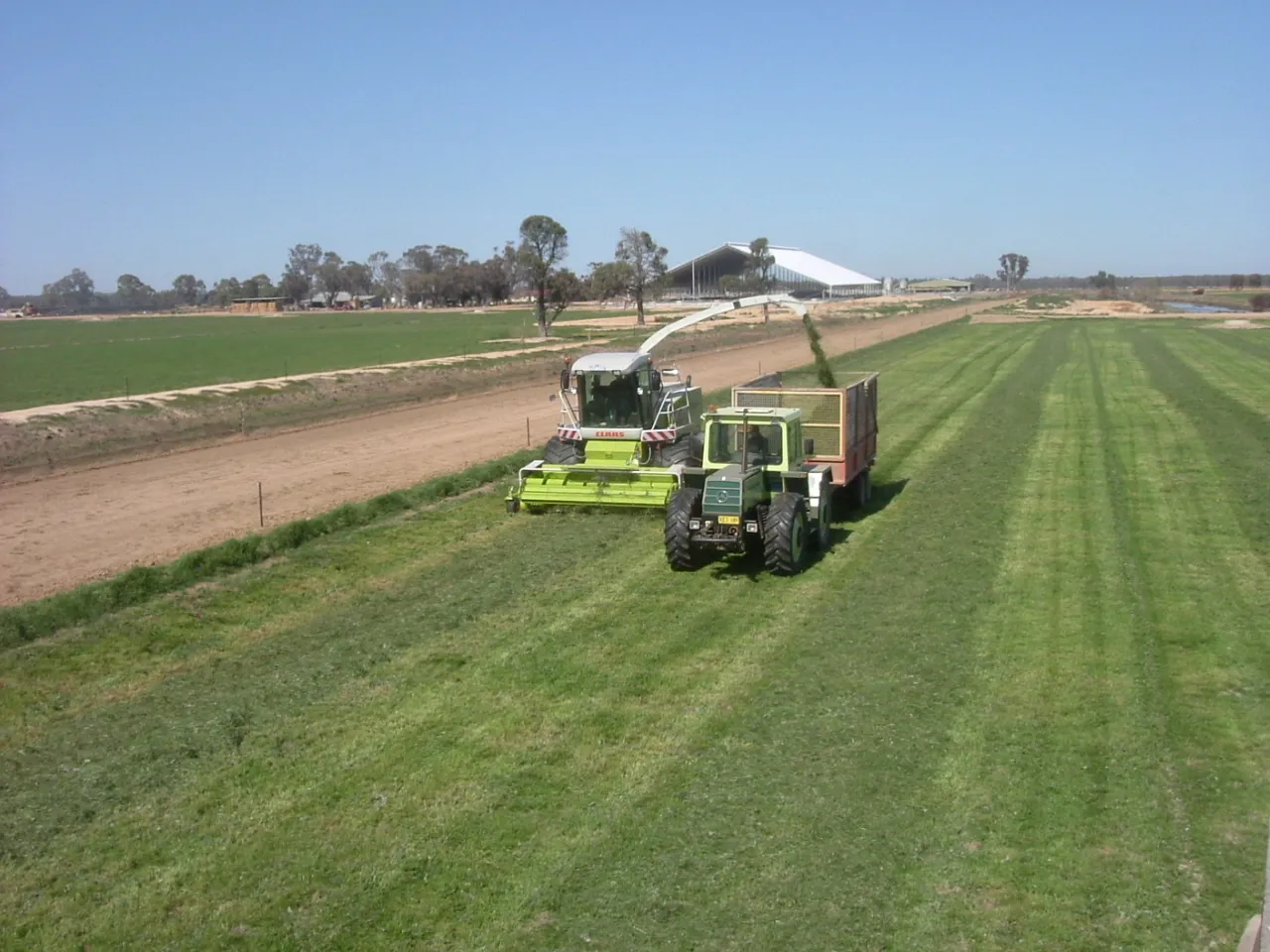
Featured image: Basile Morin · CC BY-SA 4.0 · Source
Illustrative example: A service provider has one tractor and three nearby clients requesting land preparation. Farmer A has a ready field, Farmer B has not confirmed access, and Farmer C needs an attachment the operator does not have. Taking a deposit from all three without clarifying those details creates avoidable disputes. This example is invented to explain a management process, not a reported incident.
Why booking starts with suitability
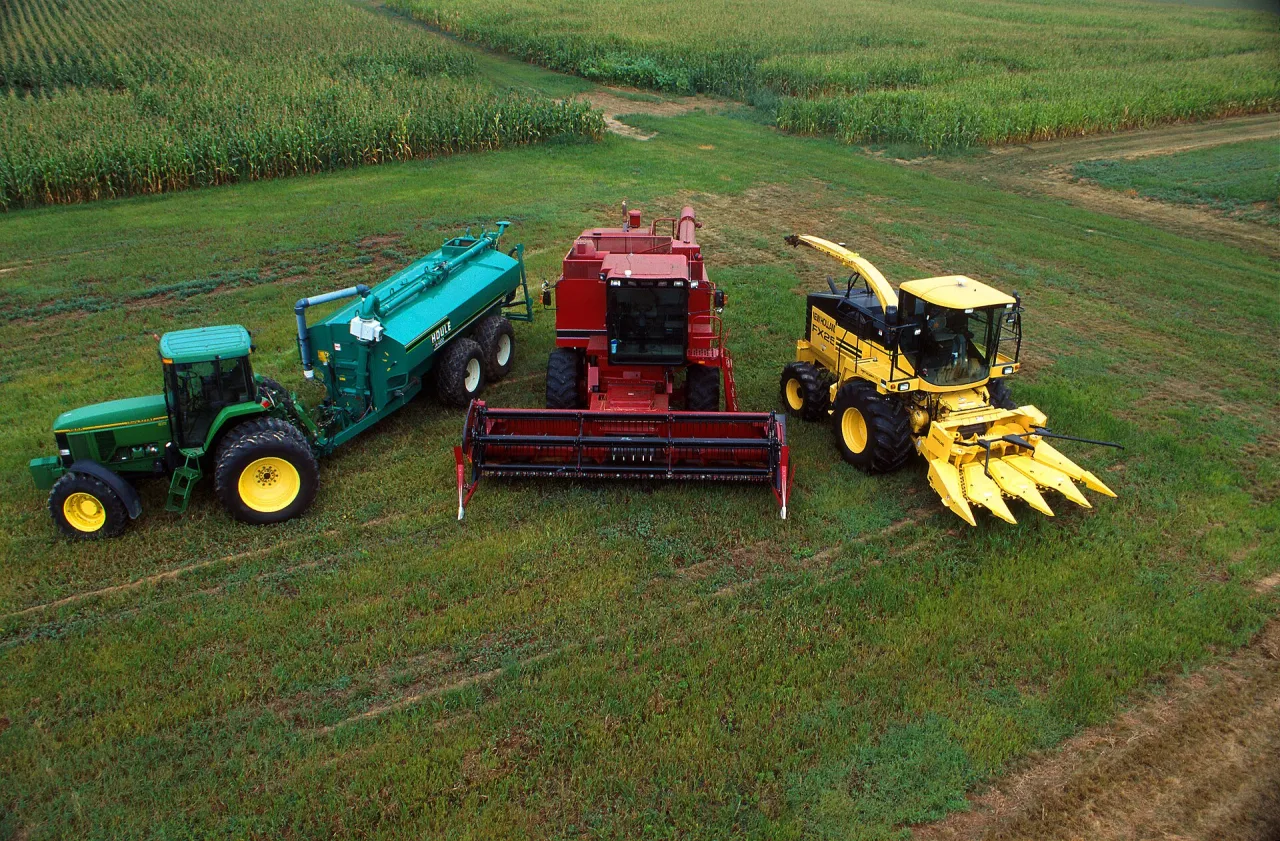
The Food and Agriculture Organization’s sustainable agricultural mechanization resource explains the role of appropriate mechanization in agricultural systems. Selecting a machine is not simply a question of horsepower or price. Tasks, location, operational conditions, people and maintenance all affect whether a service is suitable.
Before promising a date, ask what operation is required, approximate area, soil or crop conditions, field access, distance from the machine base and preferred time window. Clarify whether the customer expects fuel, operator and transport to be included. These questions are a practical screening routine, not a technical engineering assessment.
Build one booking sheet for the entire team
Use one shared ledger, notebook or spreadsheet instead of separate messages on several workers’ phones. Record customer name, location, field contact, requested job, estimated area, equipment type, proposed date, agreed price basis, payment terms and booking status. Create simple states such as enquiry, awaiting site confirmation, confirmed, completed or rescheduled.

Illustrative example: A land-preparation request for two hectares is pencilled in for Tuesday. The operator confirms on Monday that field access is possible, then changes the status to confirmed. If access is blocked, the booking returns to pending; the team contacts the customer before dispatch. No actual client details should be used in a public sample.
Allow time for transport and maintenance
An operator may estimate work time accurately but forget travel, loading, unloading, servicing and the possibility of heavy rain. That leaves the next customer with a promise the machine cannot meet. Add reasonable buffers based on actual local experience, and avoid presenting them as guarantees.
FAO’s mechanization guidance emphasises the wider conditions around sustainable machine use. Translate that principle into routine checks: fuel arrangements, operator availability, attachment compatibility, access route and necessary maintenance. Do not bypass safety checks to recover a delayed schedule. Qualified operators should assess equipment condition and safe use.

Clarify prices without creating hidden charges
Give the customer a written description of what the price covers. For example, some jobs are quoted per hectare, per hour or per completed operation. Specify which basis applies, what changes it, and whether transport or waiting time is included. A customer should not have to discover a major extra charge after the machine arrives.
Illustrative example: A service quotation lists the prepared field size, expected operation, agreed visit date, fuel responsibility and cancellation process. A separate line indicates what happens if the field is inaccessible when the operator arrives. The wording must be adapted to an actual agreement and should not be treated as a standard legal contract.
Use completed jobs to improve the next schedule
Once a job ends, record arrival time, machine hours, completed work, unexpected delays and the customer’s confirmation. Note complaints separately from payment records. Review recurring issues: Are routes inefficient? Are operators arriving before fields are ready? Do certain attachments require more maintenance than anticipated?
The ILO Start and Improve Your Business programme addresses business planning, costs and management practices that can help small service enterprises. For an equipment business, real job records are valuable inputs to these practices. They also reveal whether a busy calendar is producing sound margins or simply long journeys and repairs.
Plan for the next growing season
Review booking patterns between seasons instead of relying on recollection. A cluster of similar jobs in one district may justify arranging routes together; repeated breakdowns may justify maintenance investment before seeking another machine. Avoid buying equipment purely because enquiries appear numerous: distinguish confirmed demand from casual questions.
G-Consulting’s rice-mill resource offers an existing link to its agribusiness activities, and its company profile describes its wider consultancy interests. For operators and farmer organisations, the first improvement can be a disciplined booking register, clear customer communication and a realistic dispatch routine. A good schedule is one customers and machine operators can trust.