


A food processor may know the selling price of a bag of flour but have only a rough idea what each finished bag actually costs. A food processing batch cost sheet brings raw ingredients, packaging, labour, utilities and losses into one production record. This is especially useful for a small enterprise that buys inputs in bulk and sells output in smaller units.
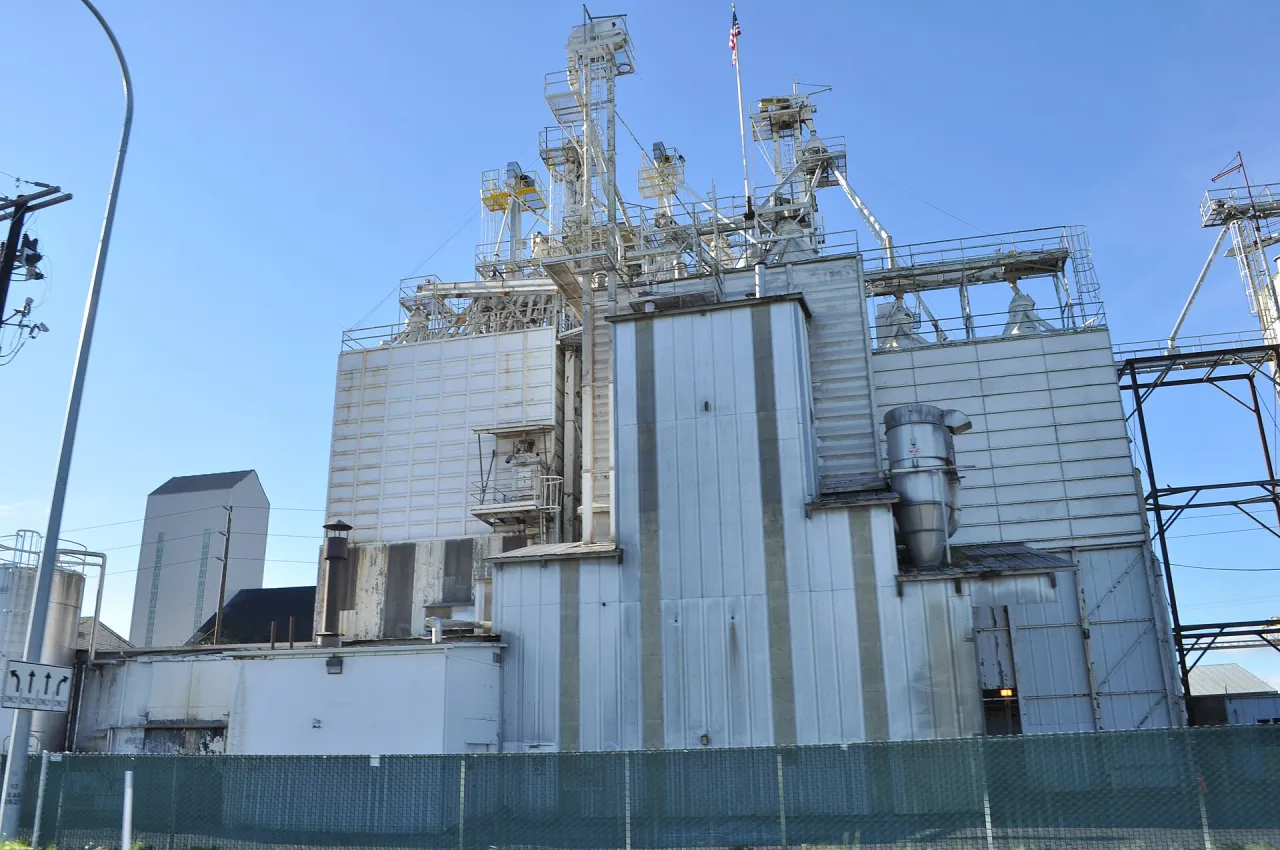
Featured image: Heritage Preservation Department – MNHS · CC BY-SA 2.0 · Source
Consider a fictional garri processor that buys cassava, pays for transport and uses fuel, sacks and labour. A profitable-looking order can disappoint when the manager divides only the raw-material cost by the finished bags. Every figure below is illustrative, not an industry price or an estimate for a real plant.
Define the boundary of one production batch
Choose a clear starting and ending point. For instance, a batch can start when identified raw material is received and end when a known quantity of finished, saleable product is packed. Record the date, responsible staff, input quantity, finished quantity and any material held for another batch.
This boundary matters because costs for one batch must not be mixed casually with another. If a machine processes goods for several customers, note how shared hours are allocated. Do not pretend a precise answer is available when meters or labour records were not kept.
Identify direct and shared costs
Direct items usually include raw ingredients and packaging used in the batch. Staff hours, transport and energy may require additional judgement. Rent, routine maintenance and administration often serve several batches and need a consistent allocation approach. State the chosen approach in the record rather than silently shifting the amount to make a product look profitable.
The ILO Start and Improve Your Business programme includes costing and record keeping among small-enterprise learning subjects. Its relevance is the discipline of capturing actual inputs and costs. The article does not claim ILO endorses a particular allocation formula.

Make the arithmetic explainable
A basic worksheet can show total recorded batch expenses divided by the number of saleable finished units. Write down how those units were counted and distinguish goods made from goods accepted for sale. Include a separate note for quantities rejected, damaged or still awaiting inspection.
Illustrative example: If an imagined batch incurs ₦270,000 in attributable costs and produces 90 acceptable packs, the simple average is ₦3,000 per pack. This is not automatically the selling price, a tax valuation or proof of profitability. It depends on what was included in the total and what later costs arise.
Track yield without blaming workers
Output can differ from input because of moisture, processing methods, waste, sorting and errors. A yield note should distinguish normal transformation from unexplained loss. Check the relevant process with experienced technical staff before concluding that a difference represents theft or poor performance.

FAO’s food safety and quality resources underline the importance of sound food handling in production systems. A low-cost batch must not be achieved by removing necessary safety and quality controls. Cost and safety are separate checks that need to work together.
Use the sheet before accepting a new order
Review the most recent accurate batch records, then estimate what a proposed order would require. Consider input price changes, available production capacity, transport, packaging and payment timing. A quotation based on one unusually successful batch may be misleading.
Illustrative example: A buyer asks for 150 packs next week. The manager checks whether the last batch could be repeated, whether inputs are available and whether working capital can cover the next run. The World Bank SME finance overview provides context for why working-capital constraints matter to smaller firms. It does not guarantee that financing will be available.
Keep quality and cost evidence together
A practical record should link batch identifier, input receipts, process notes, packaging, staff hours and finished goods. Store sensitive supplier terms securely. If a cost was estimated rather than measured, label it. Over time, this gives managers a better basis for comparing like-for-like production runs.
Different managers may choose different accounting treatments for depreciation or indirect costs. Obtain professional accounting guidance when producing statutory accounts, formal tax reports or audited financial statements. A teaching worksheet does not replace those requirements.
Review and improve the next batch
At a regular production review, choose one significant difference between planned and actual cost. Ask whether the cause was input price, energy use, yield, packaging damage or record error. Agree a small measurable improvement and check the next production run rather than launching several uncontrolled changes.
G-Consulting’s rice mill and company profile are existing resources connected to the broader agribusiness context. A food processing batch cost sheet is most valuable when the team can reproduce the numbers, explain uncertainty and use them to improve one decision at a time.