


A sale is encouraging, but an unpaid invoice cannot cover a supplier’s bill on Friday. For Nigerian small businesses serving companies, schools, shops and repeat customers, the problem is often not a lack of orders. It is the gap between delivering work and receiving money. A customer payment calendar makes that gap visible before it becomes a rushed phone call or an expensive short-term borrowing decision.
Featured image: Shixart1985 · CC BY 2.0 · Source
Consider a printer that delivers materials to three organisations. One pays on collection, another pays at month-end, and the third requests an invoice that may not be settled for several weeks. Their combined sales may look healthy, yet the printer still needs paper, wages and electricity today. The figures below are illustrative examples, not industry averages or advice about any client’s account.
Why profitable orders can still leave a business short of cash
Profit records and cash records answer different questions. An order can contribute to expected profit while the customer has not paid. Meanwhile, suppliers may ask for cash or deposits before you can finish the job. When managers mix expected receipts with money already in the bank, they may commit to purchases the business cannot yet support.
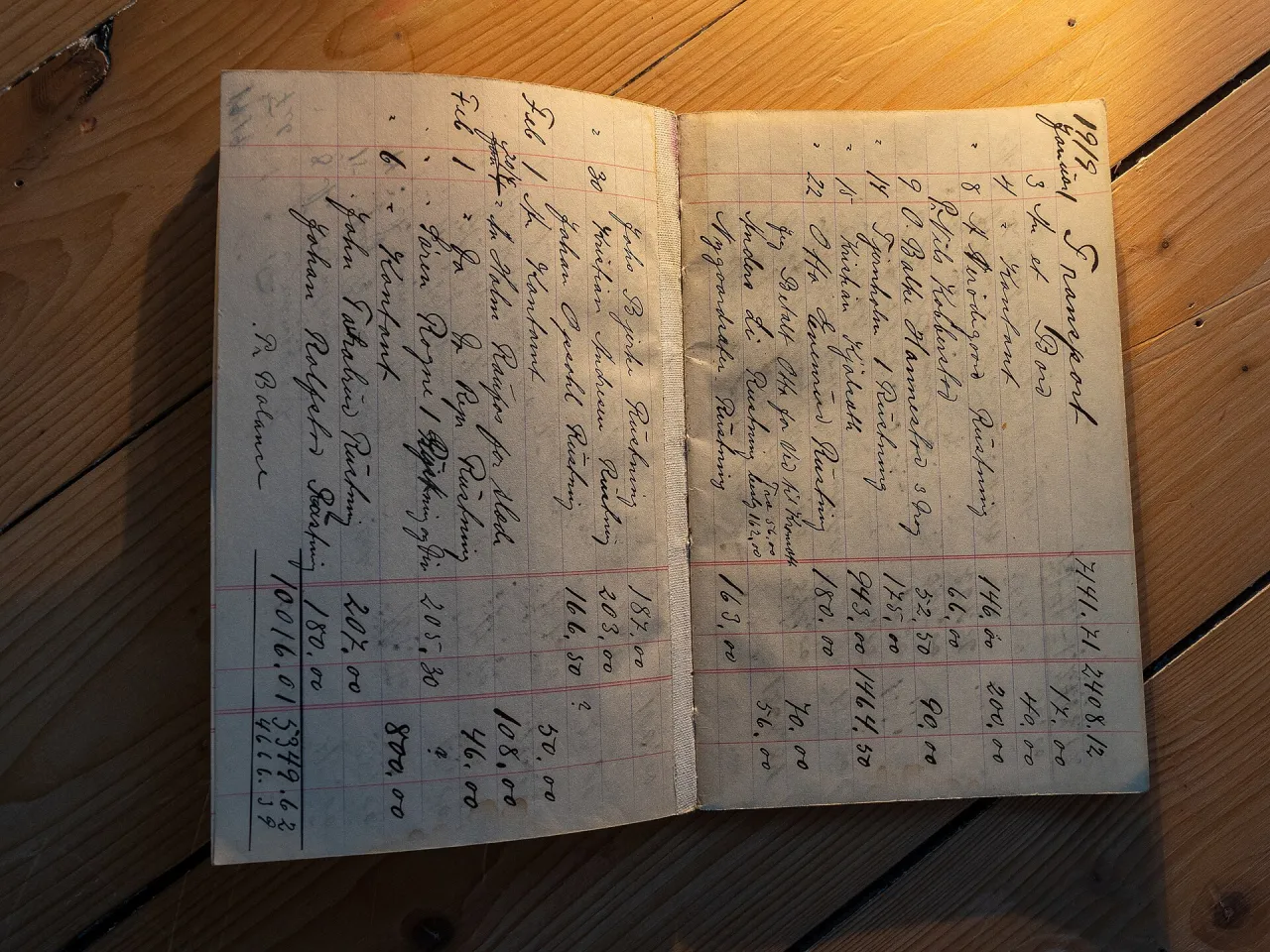
The World Bank’s overview of SME finance recognises access to working capital as a central issue for small and medium businesses. A separate World Bank discussion of MSME data and cash flow explains why transaction records and visibility into cash movements matter for assessing enterprises. Neither source promises a loan. For business owners, the practical takeaway is to know when customers are expected to pay and which expenses arrive first.
Build a calendar from invoices, not from memory
Open a simple notebook or spreadsheet and set up six columns: customer, invoice number, amount due, agreed due date, amount received and next action. Add a separate column for the date you actually received each payment. If payment terms were never agreed, record that clearly rather than quietly assuming seven or thirty days. Keep the original invoice, delivery confirmation and customer communication together.
Illustrative example: A repair service issues three invoices: ₦80,000 due in the first week, ₦120,000 due in the second and ₦60,000 due in the fourth. The expected receipts total ₦260,000, but the owner should not list the full amount as cash already available. If the first customer pays ₦50,000, the remaining ₦30,000 stays outstanding and the calendar must be updated. These numbers only demonstrate the method.
Start with a four-week view, then extend it if larger customers use longer payment periods. Record realistic expected dates, not dates chosen to make the forecast look attractive. If a customer repeatedly pays late, separate their agreed due date from your conservative internal cash forecast. Neither entry changes the customer’s actual contractual obligation.

Put expected payments beside unavoidable bills
On a second sheet, list cash outflows by the day or week they must be paid. For a small enterprise these may include staff pay, transport, power, data, supplies, facility costs and equipment repairs. Separate essential commitments from discretionary purchases. Identify what can legitimately be rescheduled and what cannot, including wages or other obligations whose timing requires particular care.
Illustrative example: Suppose expected receipts in one week are ₦90,000 and committed payments are ₦140,000. The apparent shortfall is ₦50,000 before considering starting cash and unexpected expenses. If ₦70,000 is genuinely available at the start, the picture changes; if those funds belong to tax, wages or restricted use, do not casually count them as free spending money. This is a simple planning exercise, not a formal accounting statement.
Run two views: a likely case based on customer history and a cautious case in which one significant payment arrives late. This reveals whether the business can continue essential work without relying on money that has not arrived. Review the calendar weekly and after major new orders, refunds or disputed invoices.

Follow up professionally before the due date
Collections become harder when nobody knows who owns a conversation. Assign each customer account to one responsible staff member. Agree how invoices will be delivered and obtain confirmation that the right person received them. A few working days before payment is due, send a courteous reminder with the invoice reference, amount and the payment details previously agreed.
If payment is delayed, record the customer’s explanation and any new commitment while retaining the original due date. Avoid threats, public embarrassment or contacting unrelated third parties. For disputed work, distinguish a genuine service issue from a simple administrative delay. An agreed correction and documentary evidence may be more useful than sending several identical reminders.
The International Labour Organization’s Start and Improve Your Business programme includes record keeping, costing, planning and people management as business management subjects. Those areas connect directly to payment discipline: the sales team must communicate terms, operations must confirm delivery, and accounts must track money received. A payment calendar works only when the people behind these steps actually maintain it.
Use the information to improve your sales terms
After several weeks, look for patterns. Do new customers pay differently from established ones? Are some invoices delayed because documents are missing? Is a particular customer responsible for many unpaid balances? Keep the analysis factual and avoid mistaking one bad month for a permanent trend.
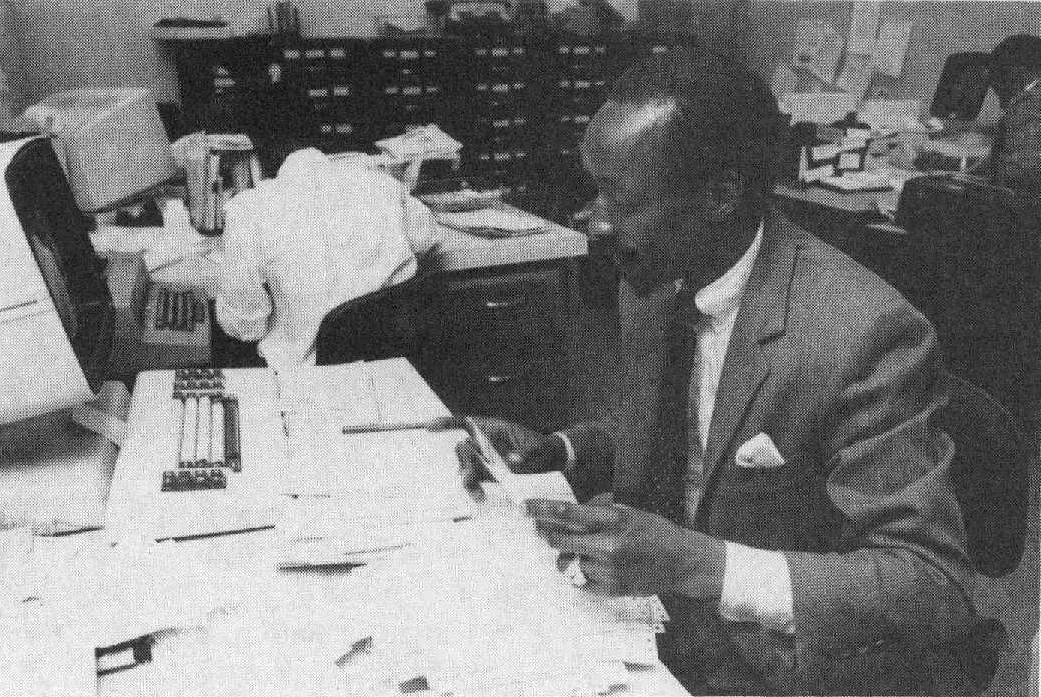
Before accepting a large custom order, examine the likely timing of deposits, supplier expenses and the final balance. Where suitable, agree a reasonable deposit or milestone payment with the customer in advance. Be clear about what each milestone covers. Do not change existing terms unilaterally; contract and credit decisions need proper review.
When the business considers financing, use the calendar to explain the actual timing problem rather than simply asking for the largest available loan. Compare costs and suitability carefully and seek qualified professional guidance for specific financing decisions. G-Consulting’s training and consultancy background is relevant to building management routines, while its contact page provides an existing channel to enquire about services without assuming a current offer or fee.
Make the calendar a short weekly management habit
Set aside a brief fixed session to confirm the bank balance, update receipts, check pending payments, flag disputes and compare the next four weeks’ expected inflows with commitments. Assign an owner to each follow-up and agree a next check date. Keep the review confidential because it may contain customers’ financial information.
The owner does not need a complicated dashboard. One accurate page, updated consistently, is more valuable than a sophisticated forecast that nobody trusts. The real benefit of a customer payment calendar is not predicting every payment perfectly. It is making uncertainty visible early enough to discuss options, serve customers properly and avoid commitments based on money that has not arrived.