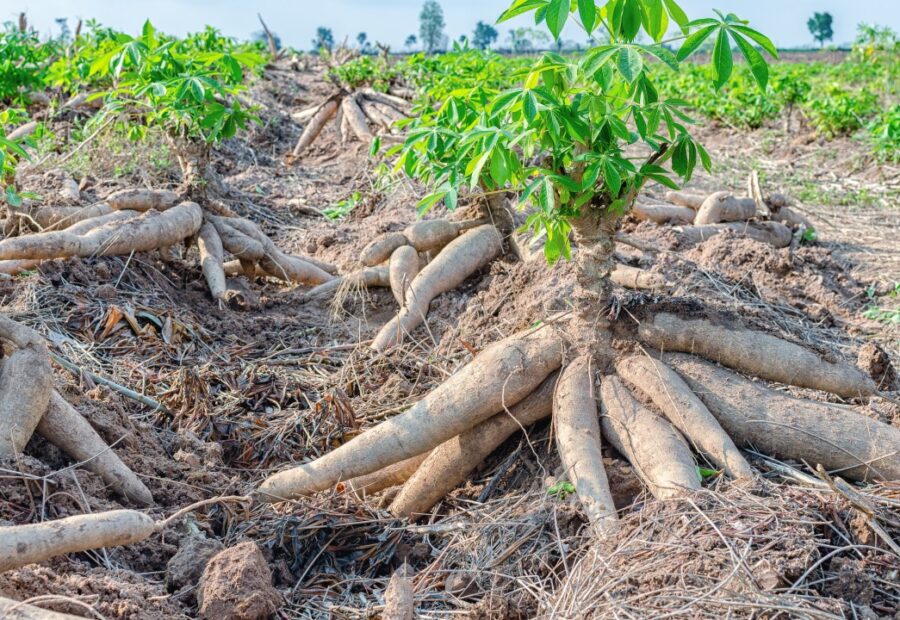

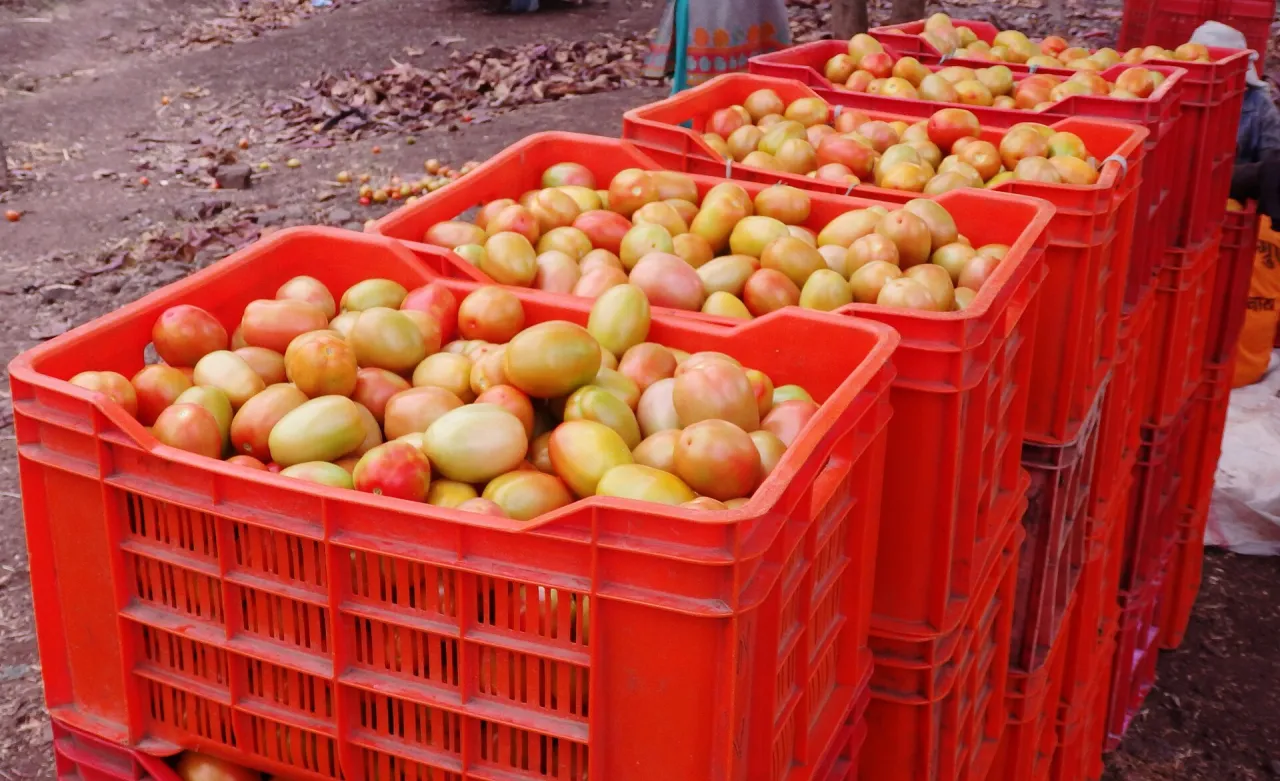
A customer orders baskets of tomatoes from a supplier, but the disagreement begins when the vehicle arrives. The buyer says some baskets are damaged. The driver says every basket was sound when loaded. The seller has a payment balance to collect, yet nobody has a shared record of what was actually dispatched. This is a familiar kind of operational risk for fresh-produce businesses, although the details differ from one market and buyer to another.
Featured image: Phadke09 · CC BY-SA 4.0 · Source
A fresh produce dispatch checklist gives small Nigerian sellers a practical way to establish what left the loading point, in what condition, and under whose responsibility. It cannot prevent every delay or damaged consignment. It can, however, make problems easier to identify before an argument turns into an unpaid invoice. The method below is designed for modest farm-to-market operations, produce traders and growing supply businesses that do not need expensive software to begin.
Agree on the buyer’s acceptance terms before loading
Begin with the sale rather than the vehicle. A request for “20 baskets of tomatoes” leaves several questions unanswered. What basket size does the buyer expect? Is the produce for immediate retail sale or processing? What level of ripeness is acceptable? Will the buyer pay for the number of baskets, the net weight, or the quantity accepted after inspection? These details matter because both sides may use the same word for different products.
Record the produce type, grade or agreed description, package size, quantity, destination, delivery window, unit price and payment terms. If a buyer has a specific rejection rule, ask for it before accepting the order. Where the business has no formal grading system, simple descriptions agreed in advance are better than a grade invented after the truck arrives. They should not be presented as official national standards.
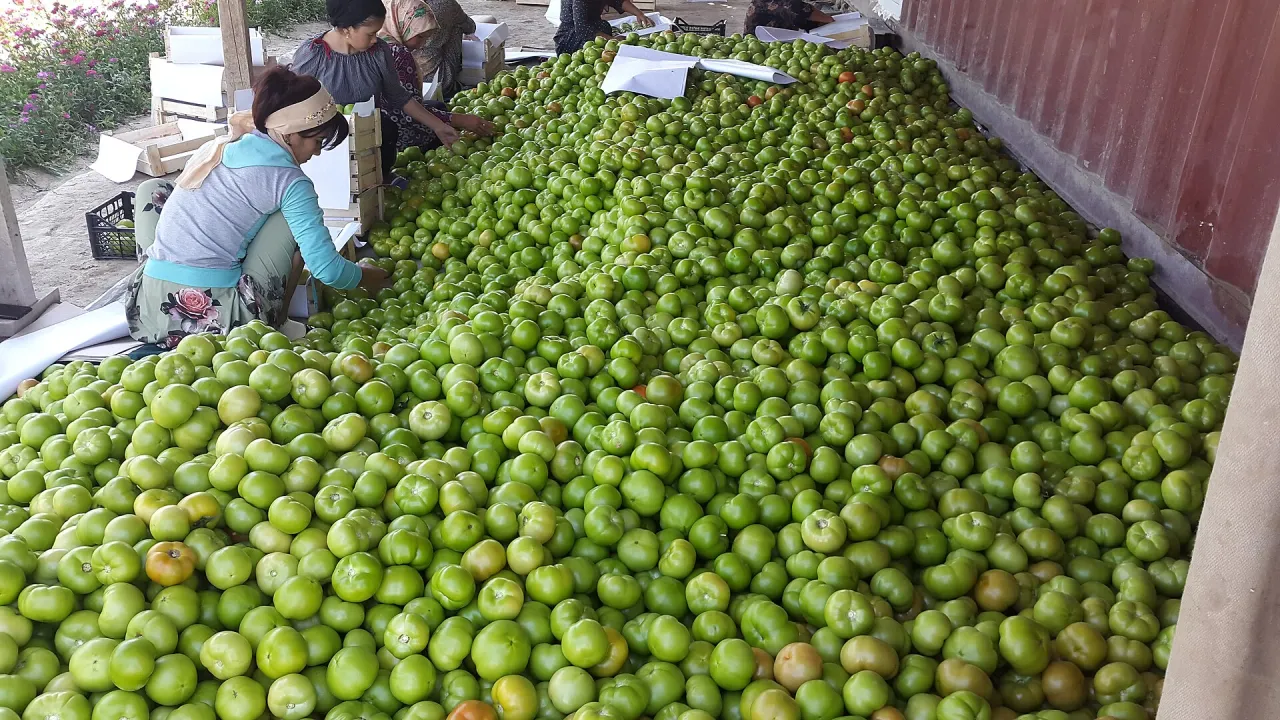
The FAO manual on fresh-market preparation identifies sorting, grading and packaging as basic steps in preparing fruit and vegetables for sale. For a Nigerian supplier, the commercial lesson is to make those steps visible in the agreement, not merely perform them out of sight.
Build a fresh produce dispatch checklist around six checks
The loading supervisor can complete one page for each consignment. Keep the record short enough to use during a busy market morning. A spreadsheet, bound notebook or printed form can all work if the team consistently records the same information.
- Order reference: buyer name or approved buyer code, delivery address, produce specification and date.
- Quantity: number of packages, agreed net weight if applicable, and any shortages identified before dispatch.
- Condition: visible ripeness, obvious bruising, packaging damage, excessive wetness or other buyer-agreed checks.
- Packaging: container type, labels, stacking arrangement and whether returned crates are part of the deal.
- Movement: vehicle identifier, driver or transporter contact, loading completion time and expected arrival window.
- Responsibility: name of the staff member who checked the load and the person expected to acknowledge receipt.
Do not sign off on a quantity that nobody counted. Where a scale is used, record the measured result and whether it is gross or net weight. Where there is no reliable scale, be explicit that the transaction was counted by packages rather than silently treating every package as having an identical weight.
Take clear photographs of the loaded consignment when the parties have agreed to this practice. Include the container condition and loading arrangement, not unrelated faces or private information. A photo is supporting evidence, not a substitute for the buyer’s agreed specifications or a proper inspection at delivery.
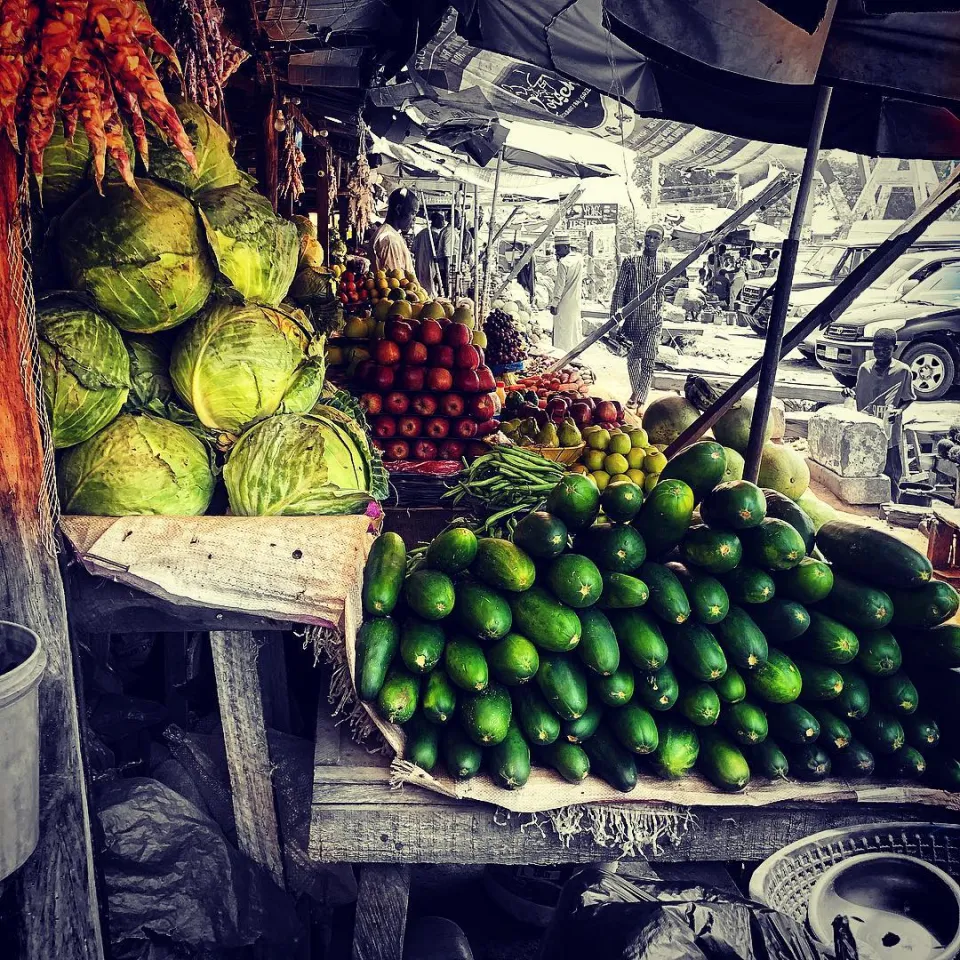
Protect the produce during loading and the journey
Good documentation will not rescue vegetables that have been crushed in transit. The FAO’s post-harvest handling guidance stresses protecting packed produce from sun and rain, avoiding rough handling, and paying attention to ventilation and transport arrangements. Package choice should suit the product, the road, the journey length and the economics of the sale.
For example, a sturdy, clean, appropriately ventilated crate may suit a tender product better than an overfilled sack, but the right choice depends on what is being transported and the cost of reusable packaging. Keep damaged or visibly unmarketable items out of the dispatched grade. Avoid stacking containers above what they can safely support. Assign someone to supervise loading instead of assuming a driver can see every crate from the cab.
Delivery planning deserves the same care. The World Bank’s food-supply-chain work explains why transport connectivity matters for food reaching markets. A small supplier cannot control the condition of every road, but can confirm the route, departure time, unloading access and contact person before the vehicle leaves.
Make the buyer handover clear, especially when something is rejected
At arrival, the receiving person should compare the shipment with the dispatch note. Write down the number of packages received, any measured weight where applicable, and any shortages or visible defects. If inspection is delayed, note the time of arrival and who accepted custody of the goods. Never invent an acceptance signature or record a disputed load as fully accepted.
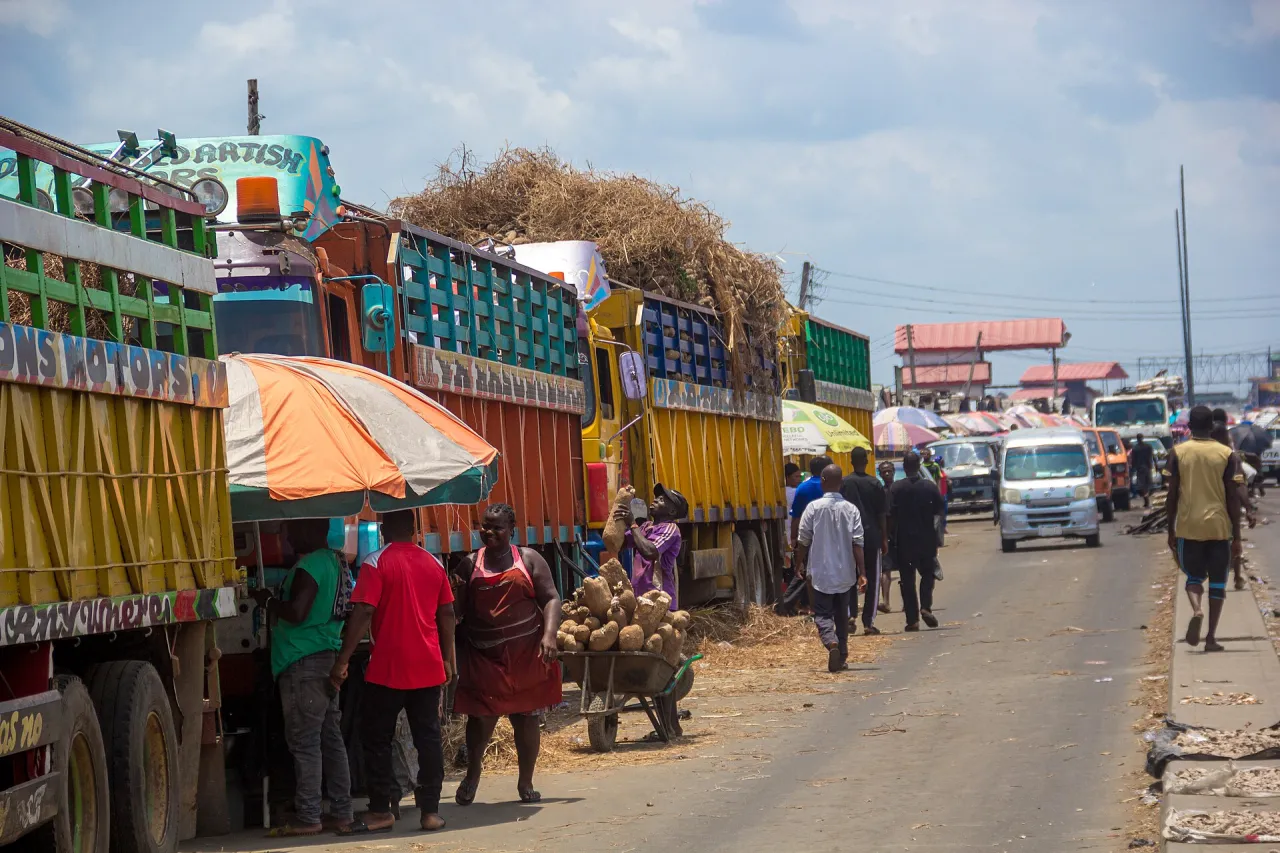
Agree in advance who decides whether a disputed item is accepted at a discount, returned, replaced or held for another inspection. A driver should not improvise a refund or grant a discount that exceeds their authority. Likewise, staff should not destroy disputed produce without appropriate safety and commercial decisions.
Illustrative example: A trader sends 30 crates of fresh peppers from a collection point to a restaurant supplier in Abuja. The dispatch note lists 30 crates and the agreed quality description. On arrival, the receiver records that two crates have visible crushing and sends photographs with the delivery reference. The seller and buyer then apply their pre-agreed claim process to those two crates. The figures and businesses in this example are fictional; it illustrates a process, not a claim about actual market rejection rates.
Keep the claim record separate from the original dispatch count. If two crates are disputed, do not edit the original record to show 28 crates dispatched. Instead, preserve the original quantity and add a dated receipt or adjustment showing how the difference was resolved. This is particularly important when multiple people handle sales, credit and transport.
Review the losses and payment delays each week
Begin with a short weekly review: how many consignments were dispatched, which arrived late, which had quality disputes, and which invoices remain unsettled. Group the reasons carefully. A shortage at loading is different from damaged packaging during transit; a delayed buyer inspection is different again. Combining all of them under “transport problem” hides what the business can actually improve.
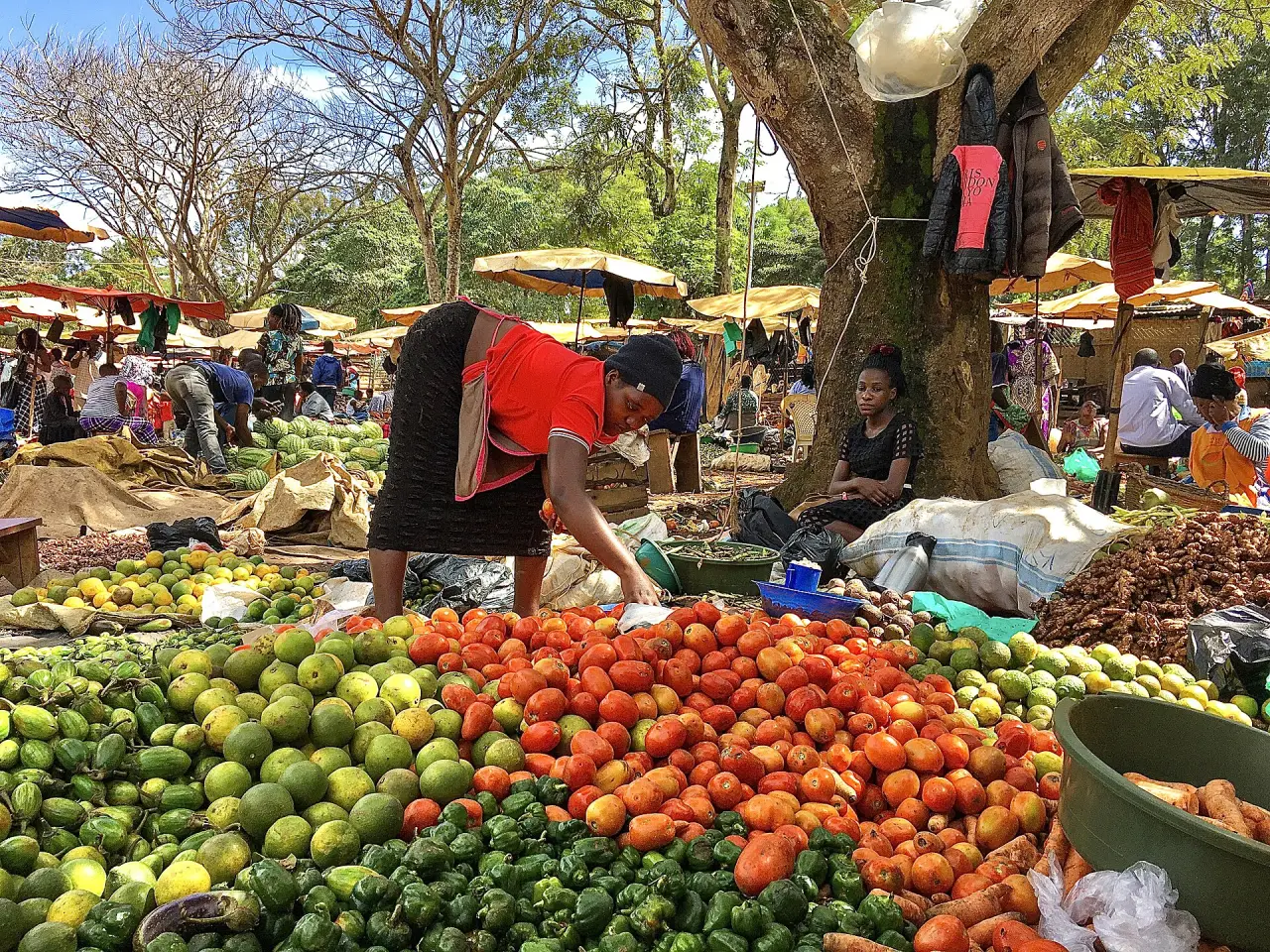
Use the first month as a learning period rather than announcing a savings percentage in advance. If repeated damage appears on one route, inspect the packaging and loading method. If disputes cluster around one buyer, revisit the product specification and receiving process. If the dispatch record is consistently incomplete, simplify it or assign one clear owner.
For more context on handling losses earlier in the value chain, see G-Consulting’s guide to reducing post-harvest losses in Nigeria. Businesses designing a wider purchasing and delivery system can also explore the firm’s agriculture and consultancy work.
Start with one buyer and one route
A useful pilot is deliberately small. Select one regular buyer, agree on the accepted description of the produce, and use the same dispatch form over several deliveries. Ask the loading staff and the receiver which entries helped and which were confusing. Adjust the form without deleting older records. If the process works, extend it to another product or route.
The goal is not more paperwork. It is a clear account of what was promised, what left the business, what arrived and what still needs to be settled. For a fresh-produce seller, that clarity can protect customer relationships just as much as it protects the next payment.