

A blackout can interrupt production, but not every task needs the same amount of electricity. A power load priority worksheet helps a Nigerian SME decide which activities must be protected, what can wait and which backup options require professional assessment. It is a business planning exercise, not a set of electrical installation instructions.
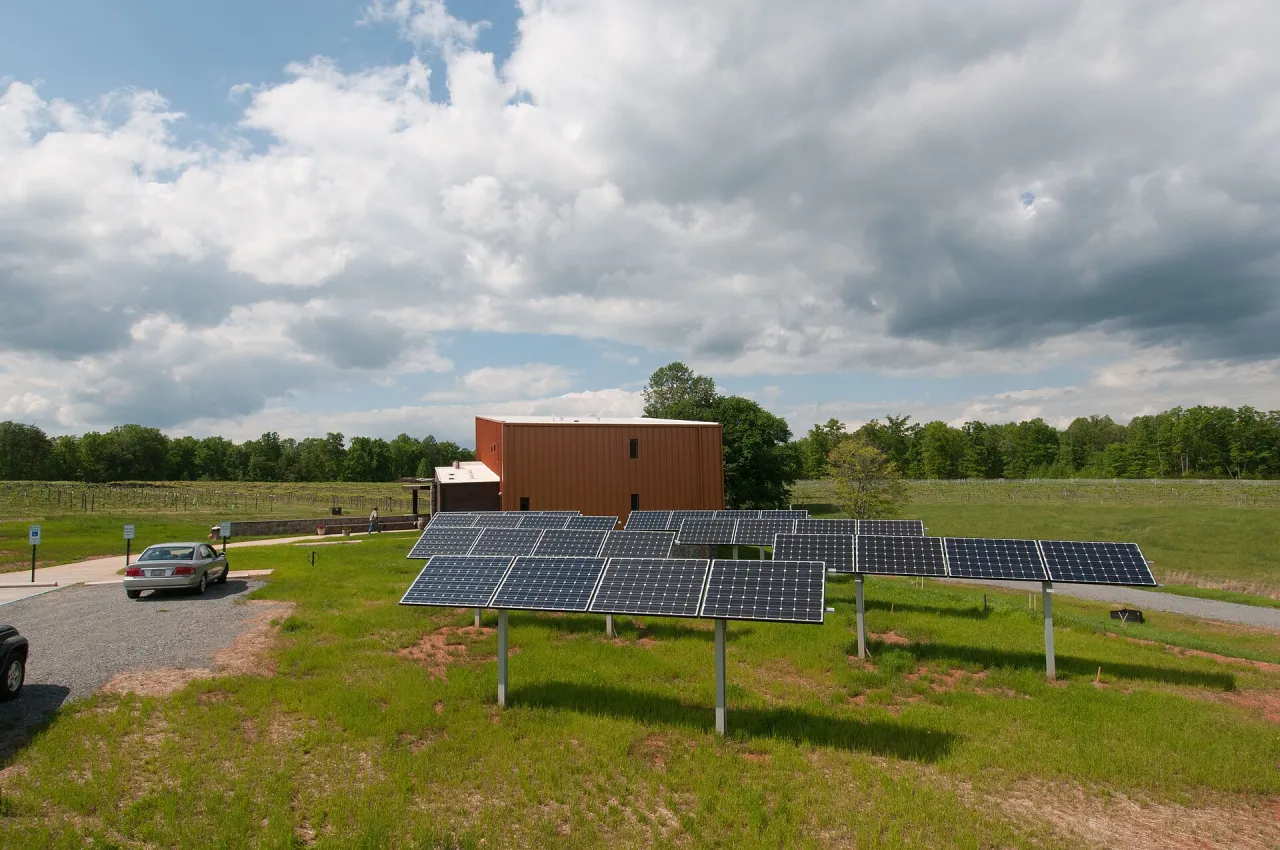
Featured image: U.S. Department of Agriculture · CC BY 2.0 · Source
Imagine a small food processor running lighting, refrigeration, a computer, packaging equipment and an occasional high-power machine. Buying a generator or battery without understanding the loads may waste money or introduce unsafe operation. The purpose here is to organise requirements before consulting a qualified installer.
List equipment and the purpose it serves
Create columns for equipment, purpose, nameplate power, typical operating duration, importance during interruption and consequence of a shutdown. Verify ratings from product labels and competent technical staff. Do not guess the electricity consumption of a commercial machine from its appearance.
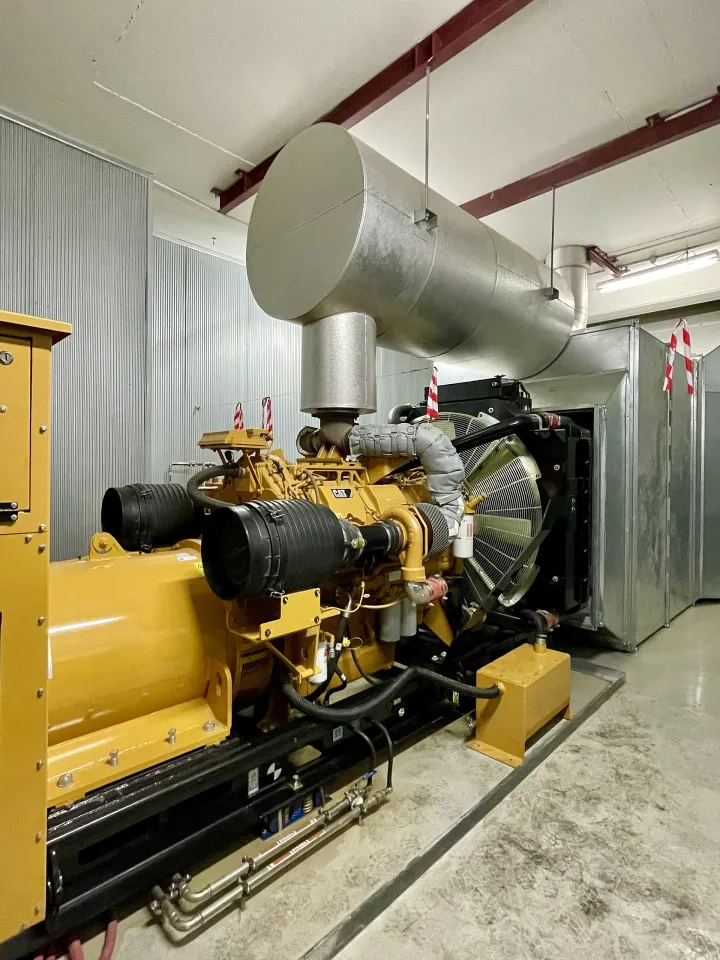
Illustrative example: A fictional business lists critical lighting, essential product cooling, a payment terminal and a large processing motor. The manager identifies cooling as a product-quality concern and the motor as work that might be rescheduled. This is not a universal ranking: actual risks depend on the operation.
Classify activities before calculating a budget
Separate life-safety and essential compliance needs from business-critical tasks, desirable conveniences and loads that can be postponed. A frozen-food business may have different priorities from an administrative consultancy. Explain why each item belongs to its category, with an owner who can review the decision.
The World Bank’s energy resource examines energy access as a development challenge. It does not specify a suitable system for any shop. Your worksheet simply establishes the business’s needs so that technical advice and expenditure can be more relevant.

Distinguish rated power from energy use
Power ratings and operating hours answer different questions. A device’s stated wattage is not necessarily its continuous consumption, and motors may have starting requirements. Instead of buying based on a rough total, ask an appropriately qualified professional to assess actual demand, surge conditions, wiring and protection.
A training calculation can multiply assumed watts by hours to introduce watt-hours, but commercial equipment must be sized through proper assessment. Never bypass safety interlocks, operate combustion generators indoors or connect backup supplies without compliant installation and protection.
Plan what happens when the interruption begins
Write a staff-facing procedure for notifying the supervisor, securing work in progress, protecting sensitive data and deciding whether production should stop. Give one person authority to approve a safe pause and another responsibility to communicate changed delivery expectations. Keep the instructions short enough to use during an interruption.

Illustrative example: A packaging supervisor sees a power outage and checks the documented equipment-stop procedure. They preserve the production record and tell customer service about a possible delay. Nobody attempts improvised rewiring or restarts equipment until approved safety checks are complete.
Compare options using all relevant costs
Think beyond the purchase price of backup equipment. Record maintenance, fuel or charging arrangements, ventilation or installation needs, expected service life and the cost of downtime. Get written quotations from qualified providers and compare scope, warranties and safety requirements before any decision.
FAO’s sustainable agricultural mechanization resources discuss equipment and suitability within farming systems. The lesson for processing enterprises is that machinery choices should reflect actual tasks and operating conditions, not only advertised capacity. This is a broad management analogy, not a generator specification.

Build a rehearsal around real work
Practise the communications side of a power outage without interfering with electrical systems. Ask employees whom they would notify, where unfinished work is recorded and how customer updates are approved. Record any uncertainty, revise the procedure and share the current version with people who need it.
The ILO Start and Improve Your Business programme covers planning and improving small-enterprise operations. A simple rehearsal supports that management discipline. It is not a substitute for a qualified safety assessment or a technical maintenance schedule.
Review after an actual interruption
Record its duration, which tasks stopped, whether any goods required quality review and what communication problems occurred. Avoid blaming individuals without evidence. If the same bottleneck appears repeatedly, decide whether to change scheduling, training or professionally reviewed equipment plans.
G-Consulting’s consultancy profile and rice-mill page connect this discussion to management and processing operations. A useful power load priority worksheet makes spending decisions more informed while keeping electrical safety in qualified hands.