

A customer accepts a price for a website, training session or repair job, only to discover later that the two parties imagined different deliverables. A service quotation scope worksheet helps Nigerian SMEs define precisely what is included, what is excluded and how changes will be approved before work begins.
Featured image: H.reed.d2i · CC BY-SA 4.0 · Source
A quotation is a commercial communication, not necessarily a complete legal contract. Businesses should seek appropriate professional advice for significant or regulated agreements. The examples are imaginary and do not describe G-Consulting’s fees or current client projects.
Describe the customer’s objective
Start by writing the problem the customer wants solved in one paragraph. Ask what successful delivery would look like from their perspective. Do not immediately start listing software features, equipment or training hours. A good scope begins with an agreed need rather than a long sales description.
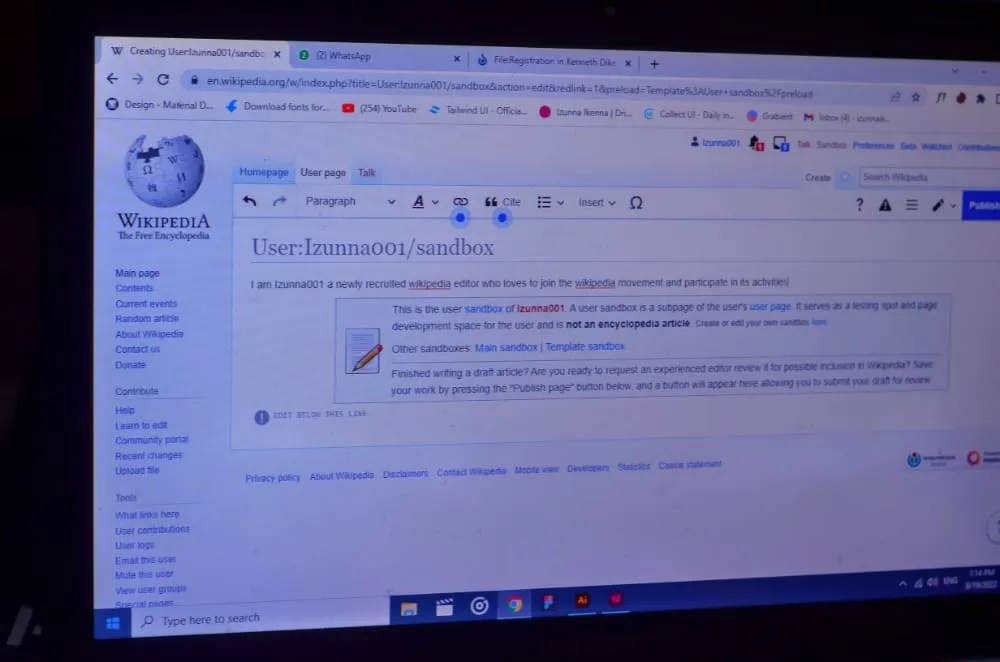
Illustrative example: A small hotel wants a page that shows rooms and accepts enquiries. The request does not automatically mean online payments, live reservation inventory or ongoing content management. Each of those would need separate discussion.
List specific deliverables
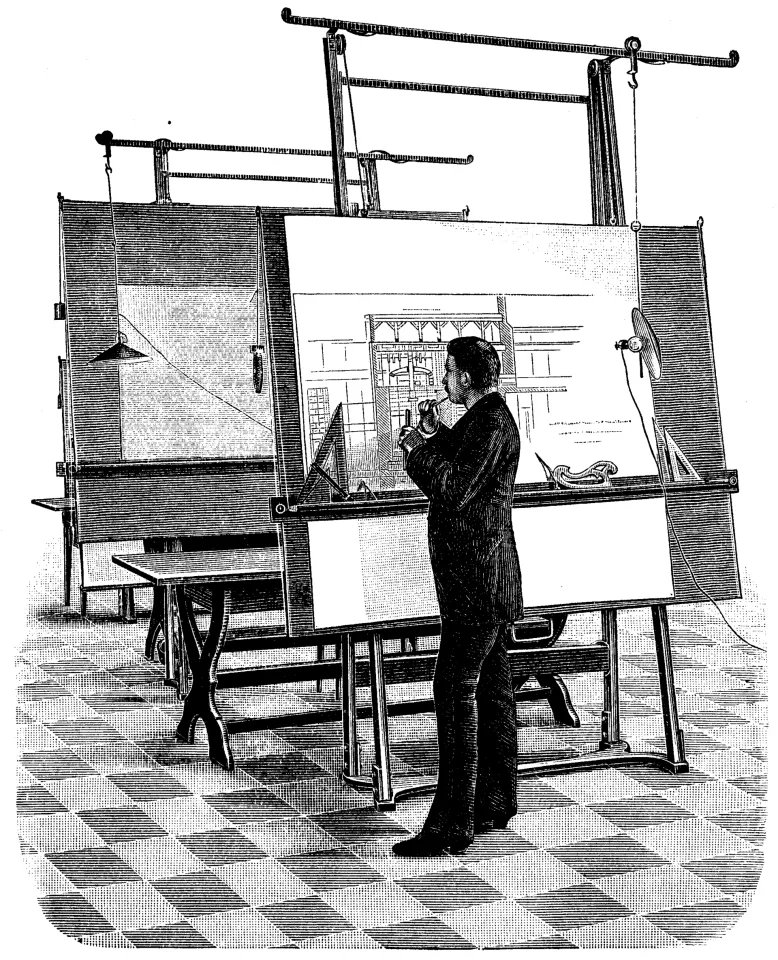
Write down the outputs the client will receive: an approved design, a document, a working installation, a defined training session or a set of files. Include the format and the method for reviewing them. Distinguish deliverables from activities such as meetings and research.
The ILO Start and Improve Your Business programme covers marketing, costing and management skills for enterprises. These subjects matter in quotation work because a service description should connect to the resources needed to deliver it. This is a practical use of the programme’s broader themes, not an official prescribed format.
State exclusions without hiding them
Clients should be able to see what the quotation does not cover when it could otherwise reasonably be assumed. That might include hosting, extra revisions, venue hire, transport, software subscriptions or ongoing maintenance. Do not create exclusions that contradict promises already made to the customer.
Illustrative example: A training quotation covers one workshop and a digital handout, but not participant travel or accommodation. The provider should explain those boundaries before acceptance, not use a small footnote after payment.
Record responsibilities on both sides
List who will supply content, approve designs, provide access or arrange a safe work area. Specify how long approvals may reasonably take and how delays will be reported. A project’s timeline may change when essential customer material is missing, but the provider should communicate rather than quietly reassign blame.

UNESCO’s education resource recognises structured learning in broad terms. For a training service, a clearly stated learning objective and participant needs help define a responsible scope. It does not establish specific professional training standards for this quotation worksheet.
Make pricing and payment terms traceable
Separate the agreed price from optional work, and specify what triggers an additional quotation. State any authorised deposit or milestone arrangement clearly, along with who approves a change. Use real cost estimates rather than invented margins. Do not describe a nonbinding estimate as a guaranteed final bill.
The World Bank’s SME finance overview discusses constraints facing smaller enterprises. That is context for careful budgeting and working capital—not evidence that particular deposit terms are lawful or advisable for every contract.

Set a respectful change process
When a client requests work beyond the original scope, describe it in a short change note: requested alteration, effects on price, timing and deliverables, and the person authorised to approve it. Keep the original quotation for reference. Do not start significant extra work based solely on an ambiguous message.
Illustrative example: During a fictitious website project, the client requests a second language. The service provider explains the additional content preparation, provides an amended offer and begins only after the relevant approval. This protects clarity for both sides.
Check understanding before work begins
Invite the client to describe what they expect to receive. Resolve contradictory terms, confirm the latest version and share the agreed record with staff responsible for delivery. Sensitive quotations should be accessible only to relevant people. A complicated proposal that nobody understands will not solve a scope problem.
G-Consulting’s company profile and contact page are existing resources for learning about its consultancy services. A practical service quotation scope worksheet makes a promise visible and testable before time or money is committed.