

A new employee can spend an entire first week learning where documents live without understanding how the organisation actually works. In a small Nigerian business, this confusion is costly: customer messages go unanswered, orders may be recorded inconsistently and managers repeat the same explanations. A staff onboarding record gives new colleagues a clearer beginning while making it easier to spot gaps in instruction.
Featured image: Kellie Walenciak · CC BY-SA 4.0 · Source
The record is a training aid, not a substitute for an employment contract, workplace safety training or a formal human-resources policy. The examples below are fictional, and each business must follow its actual obligations and procedures.
Define the work before the first day
Begin with a role description written in ordinary language. Explain the main responsibilities, who approves decisions, how the employee should ask for help, and which tasks require supervision. A title such as administrative assistant does not explain whether someone may handle payments, contact customers or change stock records.

Imagine a fictional distribution company hiring a customer-support worker. The role sheet identifies enquiries, order-status updates and escalation of complaints. It explicitly says the employee must not independently promise refunds or modify financial records. The point is to clarify boundaries, not restrict normal learning.
Use the first day for orientation and access
Agree who will greet the employee, introduce the team and explain important work areas. Provide approved access to the tools needed for the role, rather than handing over a shared password. Explain what information is confidential and how to report a problem. Ask the learner to demonstrate that they can locate essential instructions.
The ILO Start and Improve Your Business programme addresses people and business management in small enterprises. It provides a credible foundation for thinking about structured management routines, although it does not prescribe the exact checklist in this article.
Turn job instructions into small practice tasks
Give the learner a safe sample rather than a complicated live customer problem. For example, ask them to enter an imaginary order, identify missing address information and draft a response for a supervisor to review. Show what good work looks like before judging whether the learner understands it.

Illustrative example: A practice customer order contains two products but no delivery location. The new employee should flag the missing information and prepare a polite question instead of inventing an address. When the manager reviews the draft, both can discuss why accuracy matters.
Record what was taught and what remains uncertain
A useful onboarding sheet includes task, trainer, date explained, practice completed, questions, evidence of understanding and next review. Do not treat an employee’s signature as proof of competence. Ask the person to demonstrate an appropriate action and provide supportive feedback. If a task is sensitive, observe carefully before granting independent access.
UNESCO’s education resources describe the value of effective learning. In an organisational setting, the lesson is to check understanding in ways appropriate to the person and task rather than relying on attendance alone. Do not assume every learner needs the same time or format.
Make supervision realistic for a small enterprise
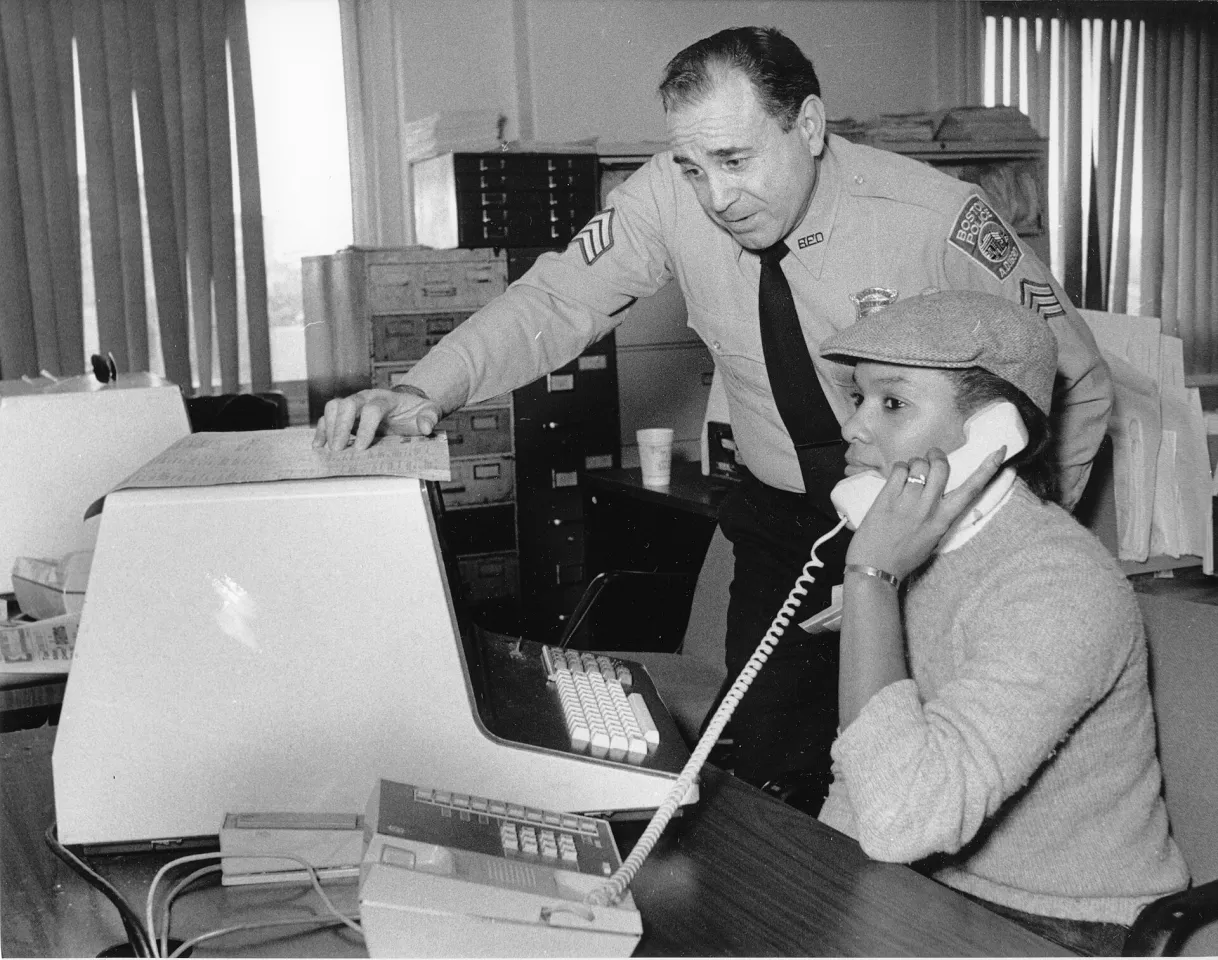
One manager may be responsible for sales, finance and recruitment. That makes a long corporate orientation programme impractical. Start with the few activities that most affect customers, safety and record accuracy. Arrange short reviews, use clear written notes and specify when an employee can work without close guidance.
If the supervisor is unavailable, give the employee an agreed point of contact. A missing approval should not become a reason to guess. Review the workload of experienced staff who provide training, because onboarding time is itself a real operating cost.
Check progress without rushing authority
After several days, use simple questions: Can the person explain the role? Can they complete an example task? Do they know which decisions require approval? What instructions remain confusing? Celebrate improvements without exaggerating what a learner can already do.
The World Bank’s SME finance overview explains financing pressures on smaller businesses. Though it is not an onboarding study, it helps contextualise why smaller teams need focused use of scarce time and resources. This is a practical management inference, not a claim that onboarding guarantees financial returns.
Plan a responsible handover
Once training tasks are understood, update the role record and share only the access necessary for the person’s duties. Keep employee information confidential and store completion notes according to the organisation’s policies. A manager should revisit the record if the job changes, not assume the first week’s instructions remain correct forever.
G-Consulting describes its training and consultancy services on its existing website and also maintains a training page. Businesses can use those resources to explore professional development, while checking actual programme details before committing.
A useful first-week review
Ask the employee which part of the job is clear, which task still needs a demonstration and what could make the instructions easier to follow. Record one or two specific actions, including the responsible supervisor and review date. Avoid filling a form merely to prove it was completed.
An effective staff onboarding record is a shared map of what someone has learned and what support comes next. When a new colleague knows how to work accurately and seek help, the business is better placed to serve customers consistently.