

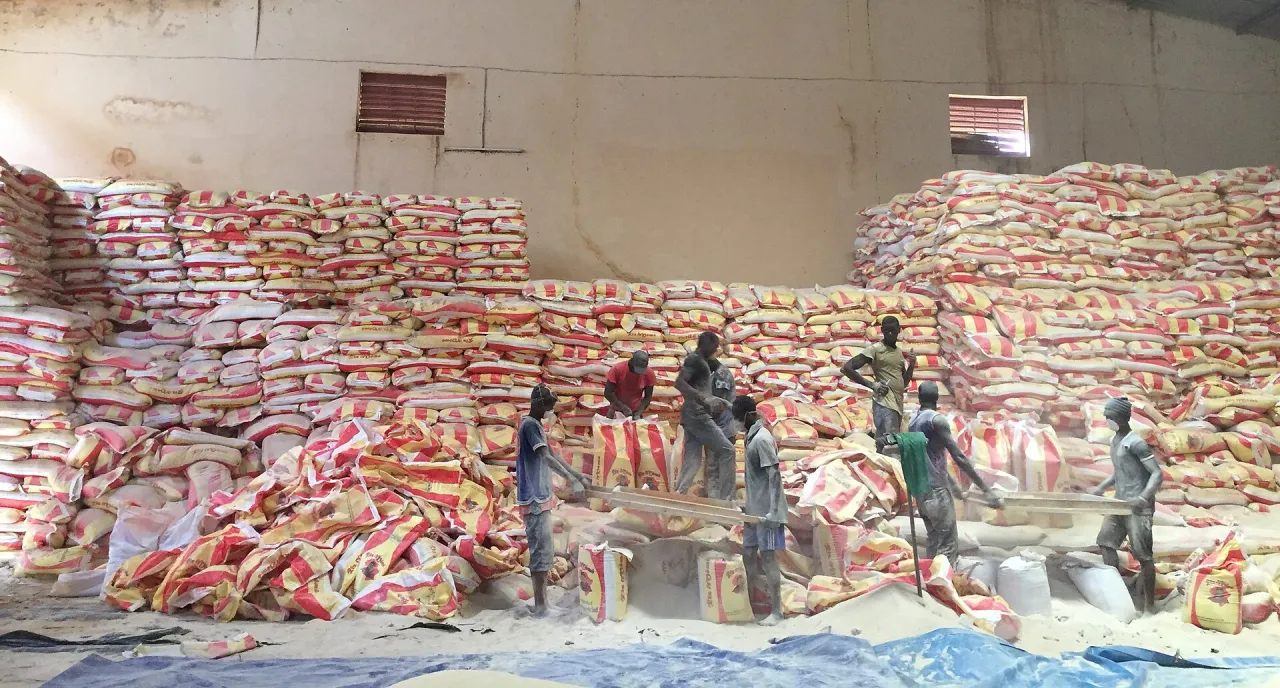
A supplier who gives the lowest quotation is not always the least expensive partner. Late packaging materials can stop production, missing quantities can disrupt a delivery, and unclear documents can consume hours that nobody budgeted for. A supplier performance scorecard gives Nigerian food processors and small enterprises a fairer way to evaluate recurring suppliers.
Featured image: Lemonblind · CC BY-SA 4.0 · Source
A scorecard is not a public blacklist or a substitute for proper inspection. It is a working document that brings together delivery evidence, quality observations, communication and contract terms. All monetary examples here are illustrative, and the method should be adapted to the actual goods and risk involved.
Decide what matters before orders are placed
For a rice packaging operator, timely bags and accurate quantities may be critical. For a fresh-food business, product condition and safe handling may have greater importance. Identify the most important factors before assessing suppliers; changing the rules after a disagreement can make the results unfair.

FAO’s food safety and quality resources describe food safety as a significant element of agricultural and food operations. A business that handles food should not replace appropriate safety checks with a general vendor score. Required legal, technical or hygiene specifications must be treated separately from a convenient numerical rating.
Use four evidence-based measures
A simple scorecard might assess delivery reliability, specification conformity, paperwork accuracy and problem resolution. Give each a clearly defined scale, such as 1 for significant issues through 5 for consistent performance. Decide whether any critical condition, such as a safety failure, demands immediate escalation regardless of an average score.
Illustrative example: A vendor delivered two recent orders on time, one late, and answered a shortage complaint promptly. Record all three events rather than a vague statement that the vendor is ‘sometimes unreliable’. The score should come from the agreed order, delivery note and inspection result, with space for exceptions.

Keep one record per delivery
On receiving goods, record the purchase order reference, supplier, expected quantity, actual quantity, delivery date and condition of goods. Note who checked them and any corrective action required. If the business lacks digital tools, a signed notebook and organised photographs may work as an initial record system.
Differentiate a supplier fault from a buyer’s changed instructions or access problems. If the customer postponed acceptance, it should not automatically count as a late delivery by the supplier. Use a short comments field and retain evidence before assigning responsibility. This habit prevents a scorecard from becoming a collection of unsupported complaints.
Compare cost with reliability
A cheap unit price may be offset by emergency transport, waste, production stoppages or repeated replacements. Make those additional costs visible without assuming every disruption is the supplier’s fault. Discuss a realistic total cost for a completed order rather than comparing catalogue prices alone.
Illustrative example: Two packaging suppliers quote different prices for 500 bags. Supplier A charges ₦5,000 less in total but repeatedly delivers an incomplete order. Supplier B is more expensive yet offers consistent quantities. These are invented figures and do not establish which supplier is better until the full cost, requirements and evidence are examined.

The ILO Start and Improve Your Business programme covers buying, stock control, costing and record keeping. An evidence-led vendor review connects these disciplines: operations verifies receipt, accounts checks the invoice, and management decides whether changes to sourcing are justified.
Review suppliers together, not through rumours
Hold a regular review with procurement, finance and the staff who accept deliveries. Compare records against the agreed measures, then discuss findings directly with suppliers. Give them a chance to explain disputes and agree a reasonable corrective action with a review date.
Do not publish confidential ratings or personal accusations. For a business using several small local suppliers, a fair and predictable review can be more useful than frequent switching. A supplier who improves after clear feedback may be valuable, while serious repeat nonconformities require appropriate management action.

Avoid tying up cash in reactive purchasing
When procurement is unreliable, a firm may respond by buying too much stock to feel safe. That can tie up scarce working capital and introduce storage risks. The World Bank’s SME finance overview describes financing constraints affecting smaller enterprises. Use actual demand, lead times and storage capacity before selecting a stock buffer.
Illustrative example: A processor keeps an extra week’s packaging materials after analysing repeated delays. That is one possible response, not a universal rule. The correct choice depends on cash available, demand volatility, shelf life and supplier options; expensive inventory should not be justified by anecdote alone.
Make the next purchase decision explainable
At the end of a review period, summarise each supplier’s strengths, evidenced problems, corrective actions and any decision to continue, trial another provider or alter order terms. Record who approved the decision and when the next review will occur. Reassess performance rather than treating an old score as a permanent label.
G-Consulting’s enterprise and consultancy profile is relevant to management systems, while the company’s rice-mill page connects this topic to its agribusiness activity. For a growing organisation, a supplier performance scorecard makes procurement conversations more factual and reduces the temptation to decide from price or frustration alone.