

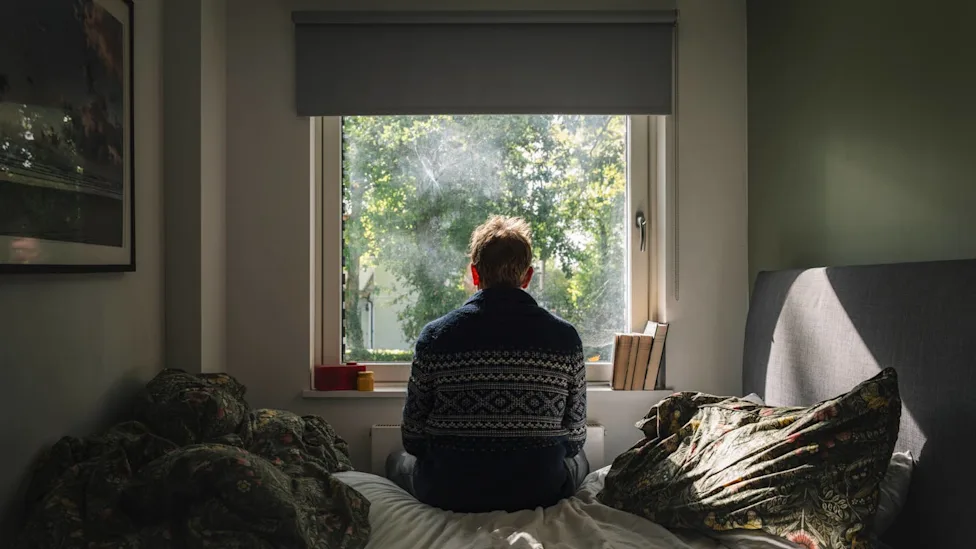
Retirement is often portrayed as the reward for decades of hard work, a season filled with travel, hobbies, and endless free time. Yet, for many people, the reality feels very different. Instead of excitement, retirement can bring unexpected sadness, loneliness, or a loss of purpose. If retirement looks depressive, it doesn’t mean something has gone wrong. It may simply reflect one of life’s biggest transitions.
When the Routine Disappears
For years, work provides structure. It determines when we wake up, where we spend our time, and how we interact with others. Retirement removes that routine almost overnight. While freedom can be refreshing at first, the absence of daily responsibilities may gradually leave some people wondering how to fill their days meaningfully.
I have come to realise that retirement is not just about leaving a job; it is about redefining identity. When someone has spent decades introducing themselves by their profession, letting go of that role can feel surprisingly difficult.
Also read: 10 Organic Food Examples Every Nigerian Should Know About.
The Hidden Emotional Challenges
Many retirees experience emotions they never expected, including:
- Feeling isolated after losing regular contact with colleagues.
- Missing the sense of achievement that work once provided.
- Worrying about finances or long-term health.
- Feeling less relevant as children build their own lives and careers.
- Questioning what purpose life now holds.
These feelings are more common than many people admit. Unfortunately, because retirement is expected to be enjoyable, some people hesitate to talk openly about their struggles.
Is It Depression or Just Adjustment?
Not every difficult emotion after retirement is clinical depression. It is natural to grieve the loss of a familiar lifestyle while adjusting to a new chapter.
However, if feelings of sadness, hopelessness, lack of motivation, or loss of interest continue for several weeks or interfere with everyday life, it is important to seek support from a healthcare professional. Mental health deserves the same attention as physical health, regardless of age.
Finding Purpose Again
Retirement creates space, but that space needs to be filled with intention.
Some people discover fulfilment through volunteering, mentoring younger professionals, learning new skills, travelling, gardening, or spending more time with family. Others find satisfaction in creative hobbies, community groups, or part-time work.
Purpose does not disappear with retirement it simply changes.
Staying Connected Matters
One of the strongest protections against depression in retirement is maintaining meaningful relationships.
Simple habits can make a significant difference:
- Schedule regular visits or phone calls with family and friends.
- Join local clubs or community organisation.
- Stay physically active with walking groups or fitness classes.
- Continue learning through courses, workshops, or reading.
- Set small weekly goals to create structure and motivation.
Human connection remains essential throughout every stage of life.
Planning Beyond Finances
Many people spend years planning financially for retirement but very little time preparing emotionally.
Questions worth asking include:
- What will my days give meaning?
- Who will I spend time with?
- How will I stay physically and mentally active?
- What new experiences do I want to pursue?
- How will I continue contributing to others?
Preparing answers to these questions can make the transition much smoother.
Also read: The Role of School Welfare in Protecting Children
A Personal Reflection
I’ve come to believe that retirement is not simply the end of a career, it is the beginning of a different kind of work. Work shifts from earning a living to building a meaningful life. That change can feel uncomfortable, and sometimes even lonely, but it also offers opportunities that busy working years rarely allow.
Retirement may look depressing when viewed only through the lens of what has been lost. But when viewed as a chance to rediscover purpose, relationships, and personal growth, it can become one of life’s most rewarding chapters.
In Conclusion
If retirement feels heavier than expected, remember that many people experience similar emotions during this transition. Acknowledging those feelings is a sign of self-awareness, not weakness. With support, meaningful activities, strong social connections, and a willingness to embrace change, retirement can evolve from a period of uncertainty into a fulfilling new stage of life.
The goal is not to create a perfect retirement, but a purposeful one.
Blog_2607_Ogb_What Happens if Retirement looks Depressive
Write-up by Ogbene Iye Daniel, Enterprise Department G-Consulting international services ltd.