

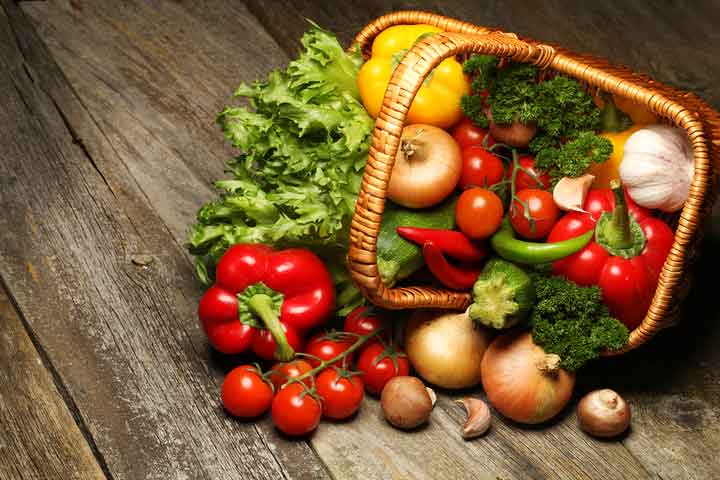
As more Nigerians become conscious of their health and nutrition, organic foods are gaining popularity. Organic foods are grown or produced without the use of synthetic pesticides, chemical fertilizers, genetically modified organisms (GMOs), or harmful additives. They are often fresher, more nutritious, and environmentally friendly.
Fortunately, many foods commonly consumed in Nigeria can be sourced organically, especially from local farmers who practice traditional farming methods. Here are ten organic food examples every Nigerian should know about.
1. Organic Vegetables (Ugu, Efo, Waterleaf)
Leafy vegetables are among the most nutritious foods available. Organic varieties of ugu (pumpkin leaves), efo (spinach), and waterleaf are grown without chemical pesticides and fertilizers.
Also read; How to Choose a Corporate Training Venue in Abuja
These vegetables are rich in vitamins A, C, and K, as well as iron and antioxidants that support overall health.
2. Organic Yam
Yam is one of Nigeria’s most important staple foods. Organically grown yam is cultivated using natural farming methods, making it free from harmful chemical residues.
It provides complex carbohydrates, fiber, and essential minerals that help maintain energy levels throughout the day.
3. Organic Beans
Beans are a major source of protein for many Nigerian households. Organic beans are cultivated without synthetic chemicals and often have a richer natural flavor.
They are packed with protein, fiber, iron, and other nutrients that support heart health and digestion.
4. Organic Rice
With increasing concerns about food quality, many Nigerians are turning to organically grown rice. Organic rice is cultivated using environmentally friendly methods and contains no artificial chemicals.
It serves as an excellent source of energy while reducing exposure to potentially harmful agricultural inputs.
5. Organic Fruits
Fruits such as oranges, mangoes, pineapples, bananas, and pawpaw can be grown organically.
These fruits are rich in vitamins, minerals, and antioxidants that strengthen the immune system and promote healthy skin and digestion.
6. Organic Eggs
Organic eggs come from chickens raised on natural feed without growth hormones or unnecessary antibiotics.
Many consumers prefer organic eggs because they often contain higher levels of beneficial nutrients and are produced under healthier farming conditions.
7. Organic Honey
Pure organic honey is produced by bees that gather nectar from plants grown without chemical contamination.
Organic honey is valued for its natural sweetness, antibacterial properties, and potential health benefits. It is commonly used as a healthier alternative to refined sugar.
8. Organic Cassava
Cassava is another staple food widely consumed across Nigeria. Organic cassava is grown naturally and processed into products such as garri, fufu, and starch.
It provides energy while supporting sustainable agricultural practices.
Also read: Nigeria Data Protection Act Compliance Checklist for SMEs
9. Organic Tomatoes and Peppers
Tomatoes and peppers are essential ingredients in Nigerian cooking. Organically grown varieties are free from synthetic pesticides and often have a richer taste.
They are excellent sources of vitamins, antioxidants, and compounds that support heart health.
10. Organic Poultry and Meat
Organic chicken, turkey, and other livestock products come from animals raised on natural diets without routine antibiotics or artificial growth stimulants.
These products are becoming increasingly popular among health-conscious Nigerians seeking cleaner protein sources.
Why Nigerians Should Consider Organic Foods
Organic foods offer several potential benefits, including:
- Reduced exposure to chemical pesticides.
- Better environmental sustainability.
- Fresher and more natural taste.
- Support for local farmers.
- Improved soil and water conservation.
While organic foods may sometimes cost more than conventionally produced alternatives, many consumers consider them a worthwhile investment in long-term health.
Inconclusion, Nigeria is blessed with a wide variety of foods that can be grown and produced organically. From vegetables and fruits to rice, yam, beans, and honey, organic options are becoming more accessible across the country.
By choosing organic foods whenever possible, Nigerians can support healthier lifestyles, promote sustainable agriculture, and contribute to a cleaner environment for future generations.
Also read: A 90-Day Digital Transformation Roadmap for Nigerian SMEs
Blog_2606Ogb_10 Organic food examples every Nigerian should know about.
Write-up By : Ogbene Iye Daniel
HOD; Enterprise, G-consulting international services limited.