
When a grain mill stops unexpectedly, everybody notices the lost time, but few teams can explain how much of it came from a simple delay, a missing part or a safety-related shutdown. A machine downtime register creates an evidence trail that makes maintenance and production planning less dependent on memory.
Featured image: Nduati.githae · CC BY-SA 4.0 · Source
This guide is about recording and reviewing incidents, not repairing equipment. Any inspection, isolation, maintenance or restart must follow the equipment manufacturer’s requirements and the judgement of authorised, qualified people. The examples are fictional and should not be interpreted as technical advice.
Begin with a consistent event number
When a stoppage occurs, note machine identification, time first observed, operator, current production task and the nature of the interruption. Record who was notified. Do not ask workers to investigate a running or potentially dangerous machine just to fill out the register.
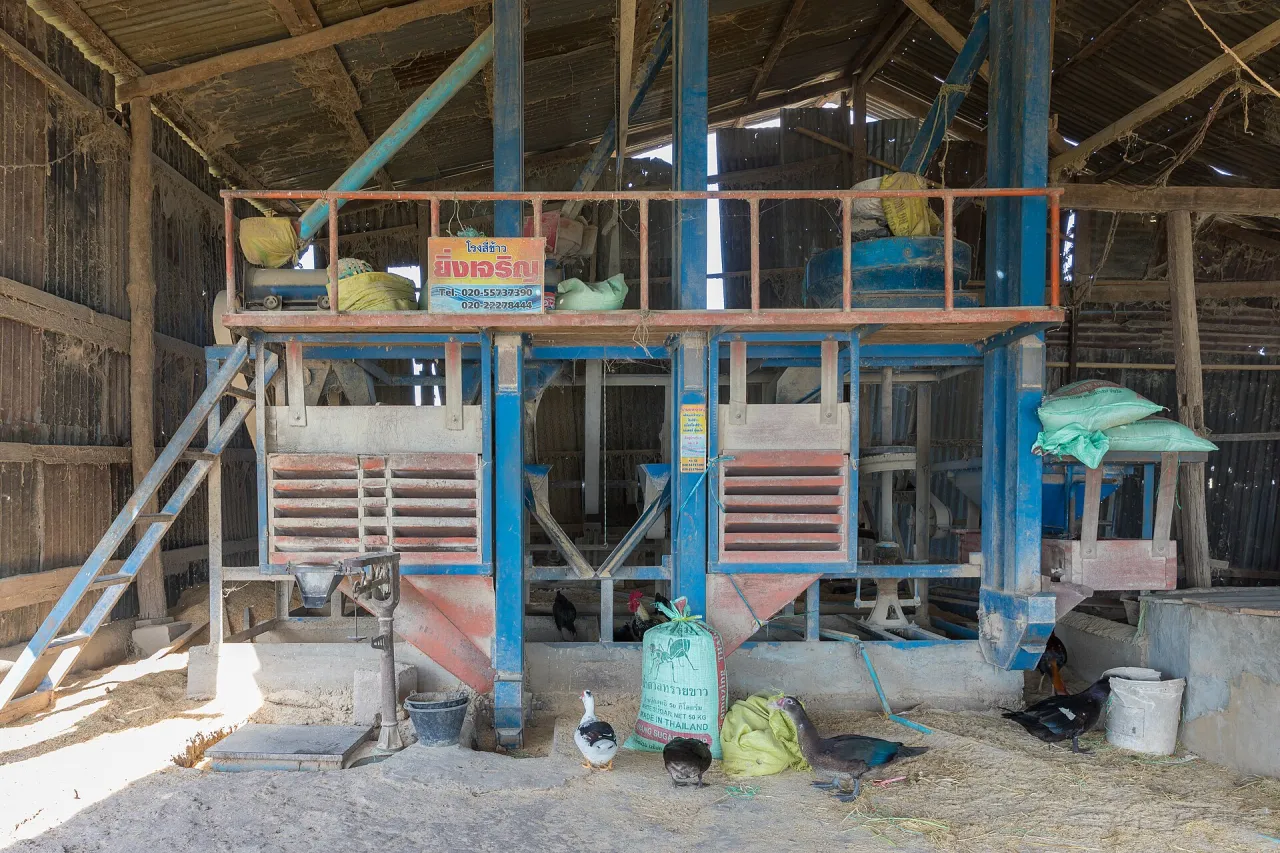
Illustrative example: A fictional grain mill stops at 11:15 AM while preparing an order. The operator records the event number and reports to the supervisor. They do not guess that the cause was a motor problem, because no qualified inspection has been completed.
Separate observation from diagnosis
A note such as ‘unusual vibration before shutdown’ describes something observed. A statement that a bearing has failed is a diagnosis requiring appropriate evidence. Use separate fields for symptom, provisional explanation, confirmed cause and person who confirmed it. Leave fields blank or marked pending when information is unavailable.
FAO’s sustainable agricultural mechanization resource discusses responsible machinery use in farming systems. This gives context for keeping equipment use and maintenance decisions grounded in actual needs, although it is not a troubleshooting manual for a particular mill.
Measure elapsed time carefully
Record the time the equipment stopped and when authorised production resumed. If the machine remained idle for unrelated reasons after repair, note that separately. Misclassified idle time can make maintenance performance look worse or better than it was. Keep a short narrative explaining what happened between these points.
Illustrative example: A machine stops for a suspected mechanical issue and later passes approved checks. Production resumes after cleaning and staffing arrangements are completed. The worksheet should show maintenance downtime and additional operational waiting where records allow, not hide the difference.
Record the production consequence
For each event, note the affected job, number of units postponed, materials potentially requiring quality review, and customers whose delivery date may change. Do not calculate an invented financial loss and present it as measured. If a cost estimate is useful internally, label its assumptions explicitly.

The ILO Start and Improve Your Business programme emphasises costing, record keeping and planning for enterprises. Applying those principles to downtime can help managers understand the operational effect without demanding an unsafe quick restart.
Identify patterns across events
At the end of a review period, compare stoppages by equipment, time, verified cause and length. Are certain interruptions repeating? Does waiting for replacement parts account for a notable share? Did preventive work occur as scheduled? Do not infer causation from a small set of events without investigation.
Discuss findings respectfully with operators and qualified maintenance staff. The goal is better decisions, not assigning fault without evidence. A worker who reports a safety concern promptly should not be discouraged by pressure to keep the downtime count low.
Prioritise decisions based on evidence
A recurring issue might justify parts planning, operator training or an expert condition assessment. Compare likely effects, resources needed and operational risk before choosing. Investment in another machine may be inappropriate if most recorded delays arise from missing supplies or poor job scheduling.
The World Bank SME finance overview describes the funding constraints of smaller enterprises. Reliable downtime evidence can inform an internal investment discussion, but it cannot guarantee financing or establish technical suitability of new machinery.
Keep the register practical
Use an accessible notebook or a shared spreadsheet with limited edit permissions. Make the fields short enough for real use during an incident, and allow the supervisor to complete details afterwards. Preserve original entries and label corrections so a future reviewer can follow what changed.
G-Consulting’s rice mill page and organisation profile connect the lesson to its agribusiness and management interests. A useful machine downtime register shows what happened, what was confirmed and what business decision should follow—without pretending the record itself repairs anything.