
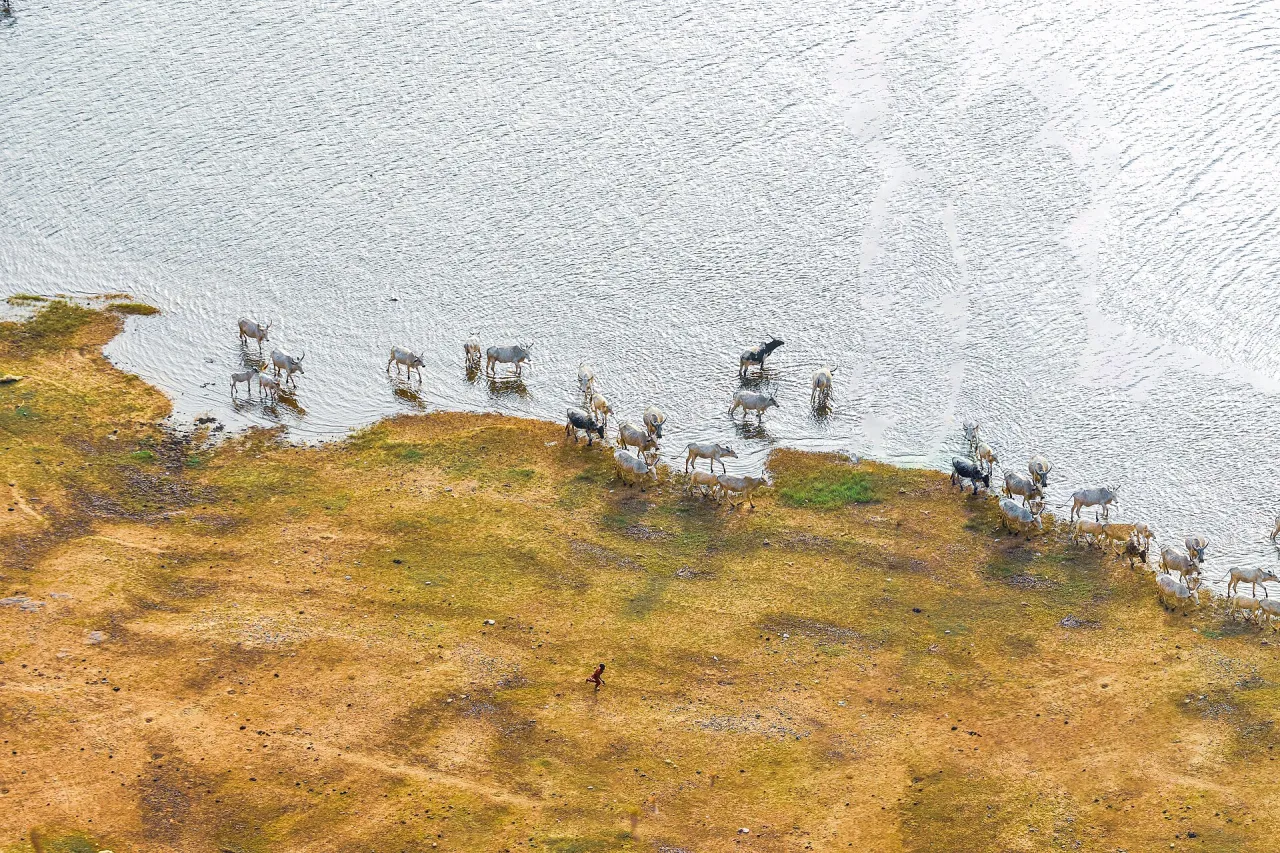
The livestock climate action plan is receiving renewed government attention after an announcement by the Federal Ministry of Livestock Development on 29 October 2026. The ministry said livestock reforms would be integrated into the country’s Third Nationally Determined Contribution, or NDC 3.0, with emphasis on climate-smart production and stronger value chains.
Featured image: Martemmedia · CC BY 4.0 · Source
That announcement matters beyond policy offices in Abuja. Cattle keepers in Bauchi, goat sellers in Kaduna and poultry operators near Uyo may experience weather, water and feed challenges in very different ways. An official commitment does not itself mean new finance or equipment has reached these operators, so implementation details deserve careful attention.
What the ministry actually announced
In its 29 October statement, the ministry described climate change risks including heat, drought, flooding, water scarcity and changing disease patterns. It linked the reforms with the launch of NDC 3.0 and a steering committee for implementation, rather than announcing an instant farm-level funding scheme.
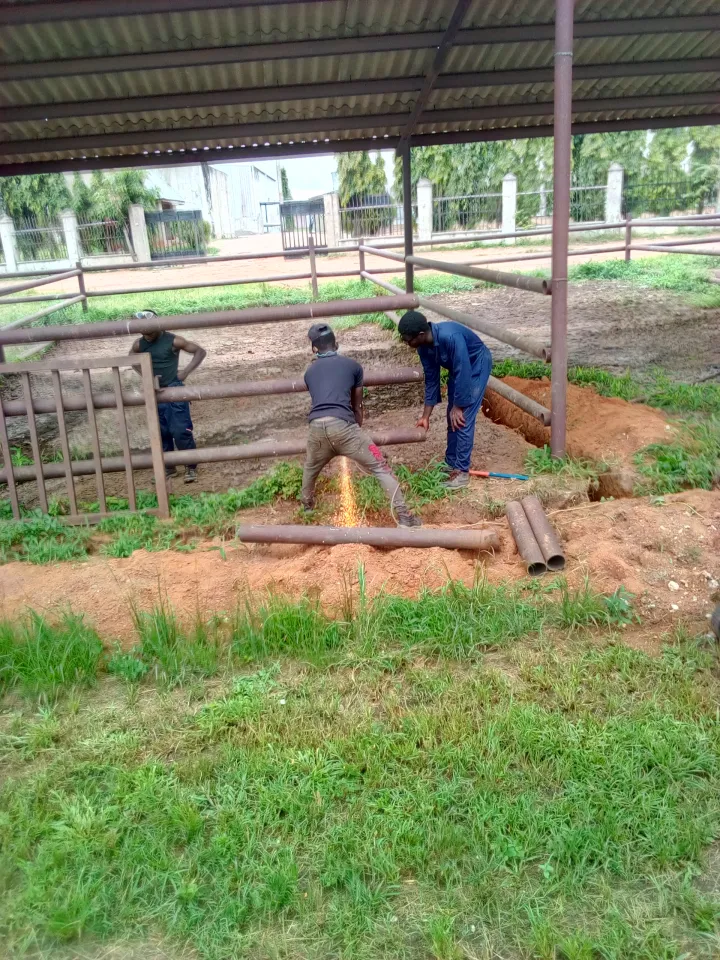
The distinction between a government intention, an approved plan, an operational programme and money actually disbursed is important. Farmers should use official updates to learn what comes next, not interpret a broad policy speech as automatic eligibility for a grant or a subsidy.
Climate resilience starts with local farm observations
A livestock business may face water shortages in one season, deteriorating access roads in another and feed costs throughout the year. A modest first step is to document water sources, available shelter, seasonal grazing conditions and animal-health concerns with trained personnel.
Illustrative example: A fictional smallholder near Bauchi records that access to a watering point became less reliable during a dry spell. That observation may support planning questions, but it is not a veterinary diagnosis or proof that climate change caused one particular event. Qualified advice remains necessary.
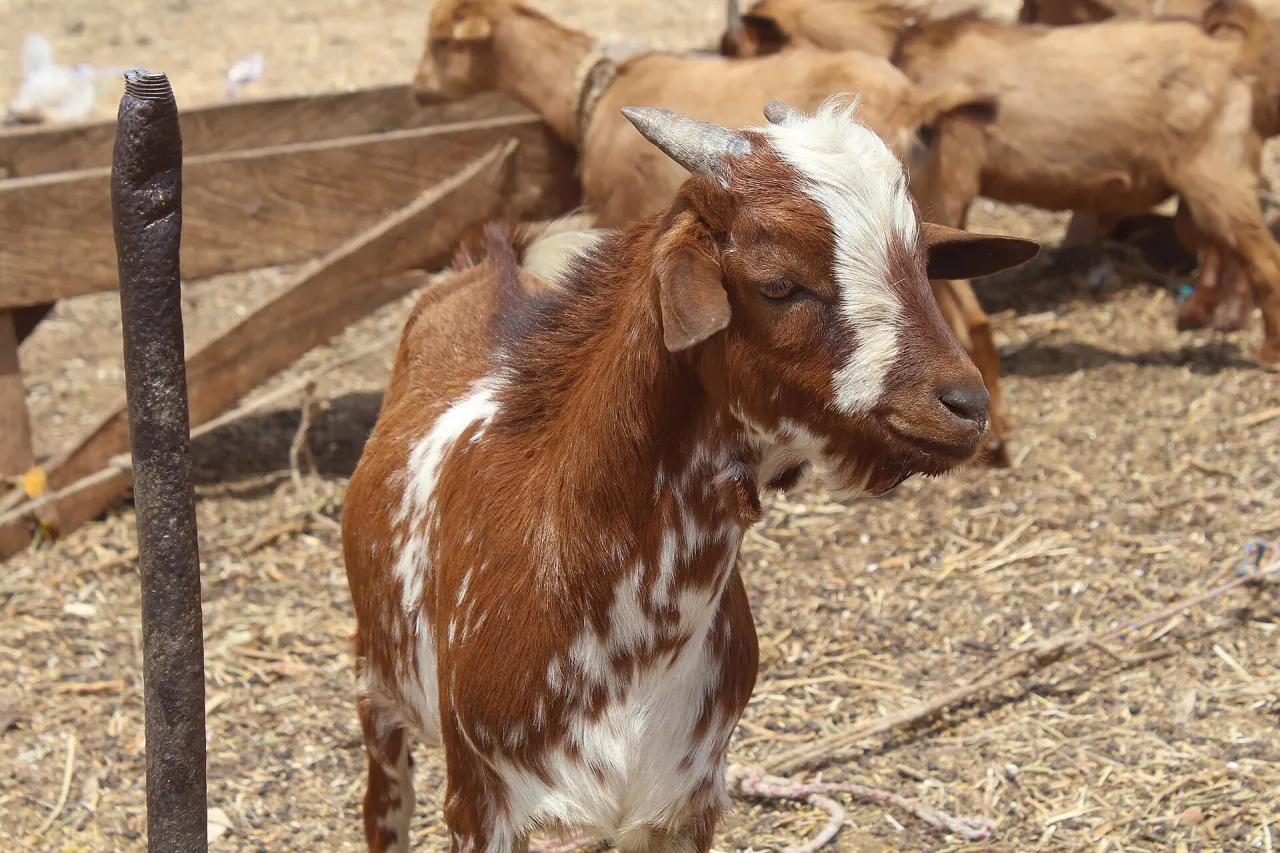
Animal health cannot be separated from production
The FAO animal health resource describes the role of healthy animals in resilient food systems. Changing weather conditions may influence risks, but specific disease identification and treatment require veterinary expertise. Do not encourage untrained workers to medicate animals or alter health procedures based on social media posts.
Businesses can improve the quality of information provided to professionals: note dates, symptoms observed, movements and relevant conditions, and seek help promptly. Accurate communication protects the animals and the staff who work with them.
What it could mean for the value chain
Climate resilience is also a logistics and enterprise-management issue. Feed sellers, transporters, market operators and processors can be affected when supply becomes irregular. A business may need stronger supplier relationships and better records of seasonal availability before deciding whether to expand.
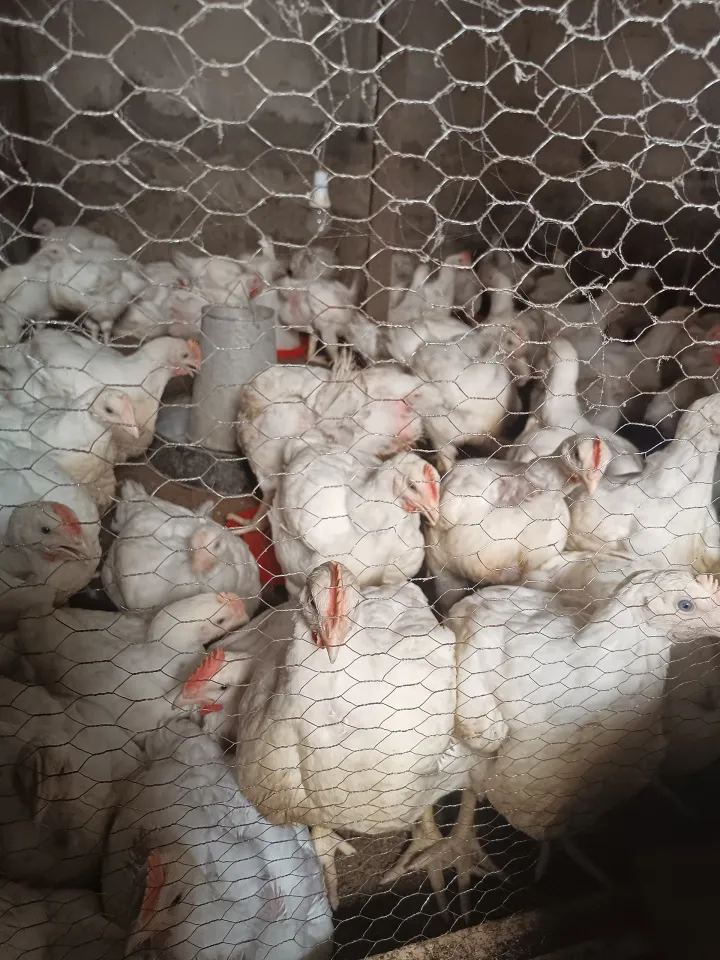
The FAO animal production resource discusses the opportunities and constraints of livestock systems, including natural-resource use and household resilience. This offers wider context, but it does not provide a local price forecast or confirm that a particular enterprise qualifies for support.
Avoid confusing an announcement with a programme
As of the published statement, the key reported fact is a policy integration commitment. Operators should watch for subsequent implementation documents, responsible agencies, eligibility rules and official application channels. Claims of guaranteed allocations circulating through informal messages should be treated cautiously.
Illustrative example: A trader is sent a payment request promising access to a climate livestock grant. The prudent response is to check the responsible ministry’s official communication rather than transfer a processing fee based on an unverified message. This example is hypothetical and does not accuse any named programme.
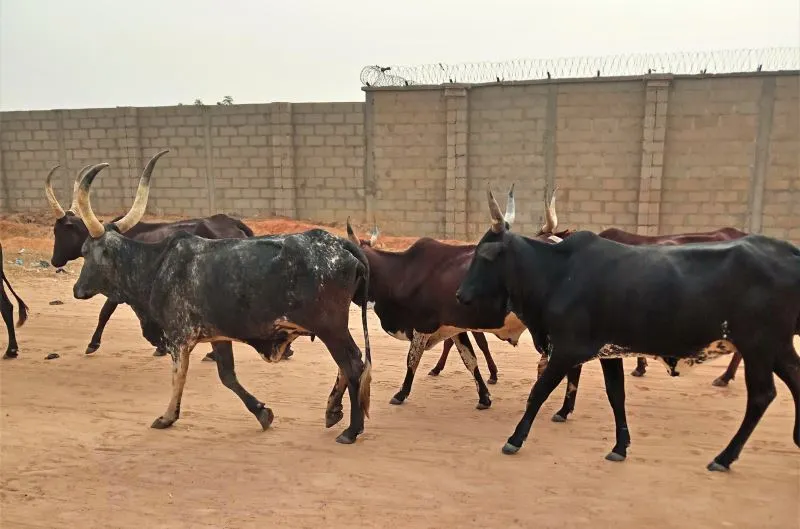
The importance of local skills and records
A poultry keeper in Akwa Ibom and a grazing enterprise in northern states will not have identical needs. Training should therefore reflect production systems, water access, animal welfare, safety and recordkeeping. A government policy offers direction, while the practical work often requires coordination among farmers, specialists and institutions.
G-Consulting’s training and consultancy background and agricultural operations resource illustrate the kind of enterprise setting in which technical and managerial questions meet. No specific service is being advertised as part of the new ministry plan.
What to monitor after the announcement
Look for a published implementation plan, credible funding arrangements, locally available advisory services and measurable changes that support farmers. Distinguish announcements from results and compare official statements with what producers report on the ground. Resist declaring success or failure before credible evidence appears.
The livestock climate action plan should be evaluated by what it makes possible for real production systems, not merely by the language of a press release. Reliable information, technical expertise and careful recordkeeping can help businesses decide how to respond as more details emerge.