
The feed and fodder policy framework took a new step on 19 October 2026 when the Federal Ministry of Livestock Development described work on a national implementation plan. The announcement targets one of the most persistent challenges in livestock production: access to suitable, affordable feed when seasonal conditions change. For cattle producers, goat farmers and suppliers in Kaduna, Bauchi and other livestock markets, the development deserves attention.
Featured image: Brotherdee · CC BY-SA 4.0 · Source
It is equally important to distinguish a policy plan from a service already available. The ministry’s statement does not say that each farmer can collect free feed tomorrow or that local market prices have already dropped. Owners should keep watching for verified implementation details before making financial decisions.
The October workshop and its objectives
The official ministry report describes a three-day stakeholder workshop in Abuja intended to develop the framework, align responsibilities and set out resource mobilisation and monitoring arrangements. The stated priorities include production cost, seasonal availability, productive livestock enterprises and peaceful coexistence.
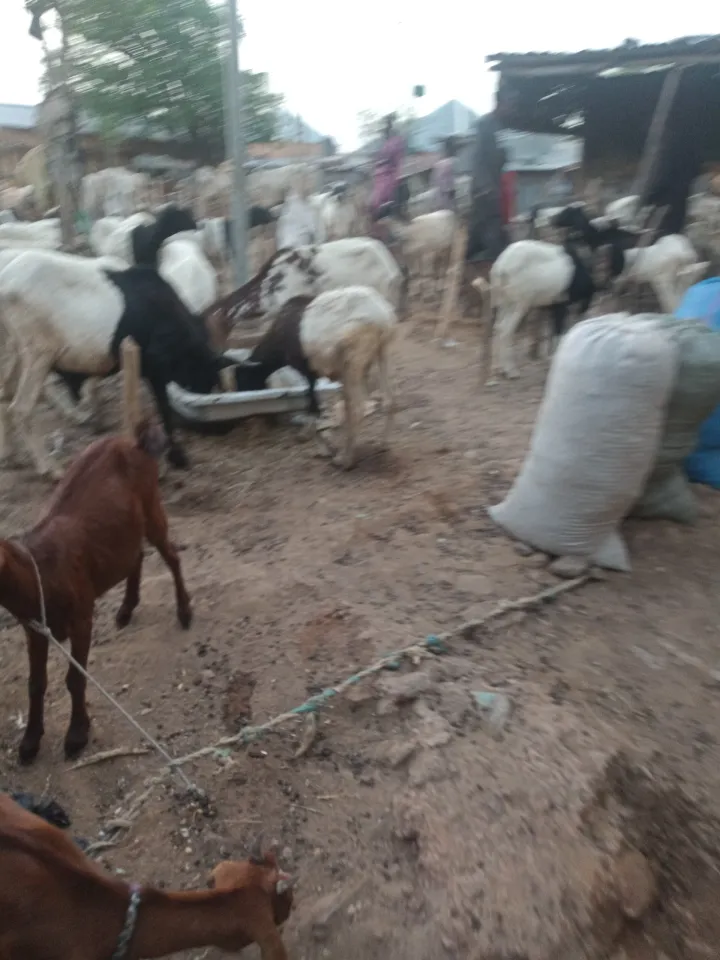
The ministry also discussed dry-season shortages and the need to turn broad plans into practical work programmes. A published framework may coordinate future efforts, but its value will depend on what is implemented and how outcomes are measured. The statement should not be interpreted as proof that every state has completed its projects.
Dry-season shortages are a commercial problem
When feed becomes harder to find, livestock owners may face longer trips, uncertain purchase volumes and strained budgets. Feed merchants may deal with changing supply conditions and storage needs. This can affect different production systems in different ways, and an average national statement cannot reveal the experience of a particular farm.
Illustrative example: A goat keeper in Kaduna buys feed from two suppliers and notes higher transport costs during a dry spell. Rather than inventing a market price trend, the owner compares verified supplier quotations and asks an agricultural specialist about suitable options. The figures and business in this example are fictional.
Fodder production has its own investment questions
A producer interested in growing or processing fodder needs more than enthusiasm. Land suitability, water access, crop selection, buyers, handling requirements, storage losses and delivery logistics all matter. An announcement about pasture expansion does not settle these commercial and technical questions for a private enterprise.
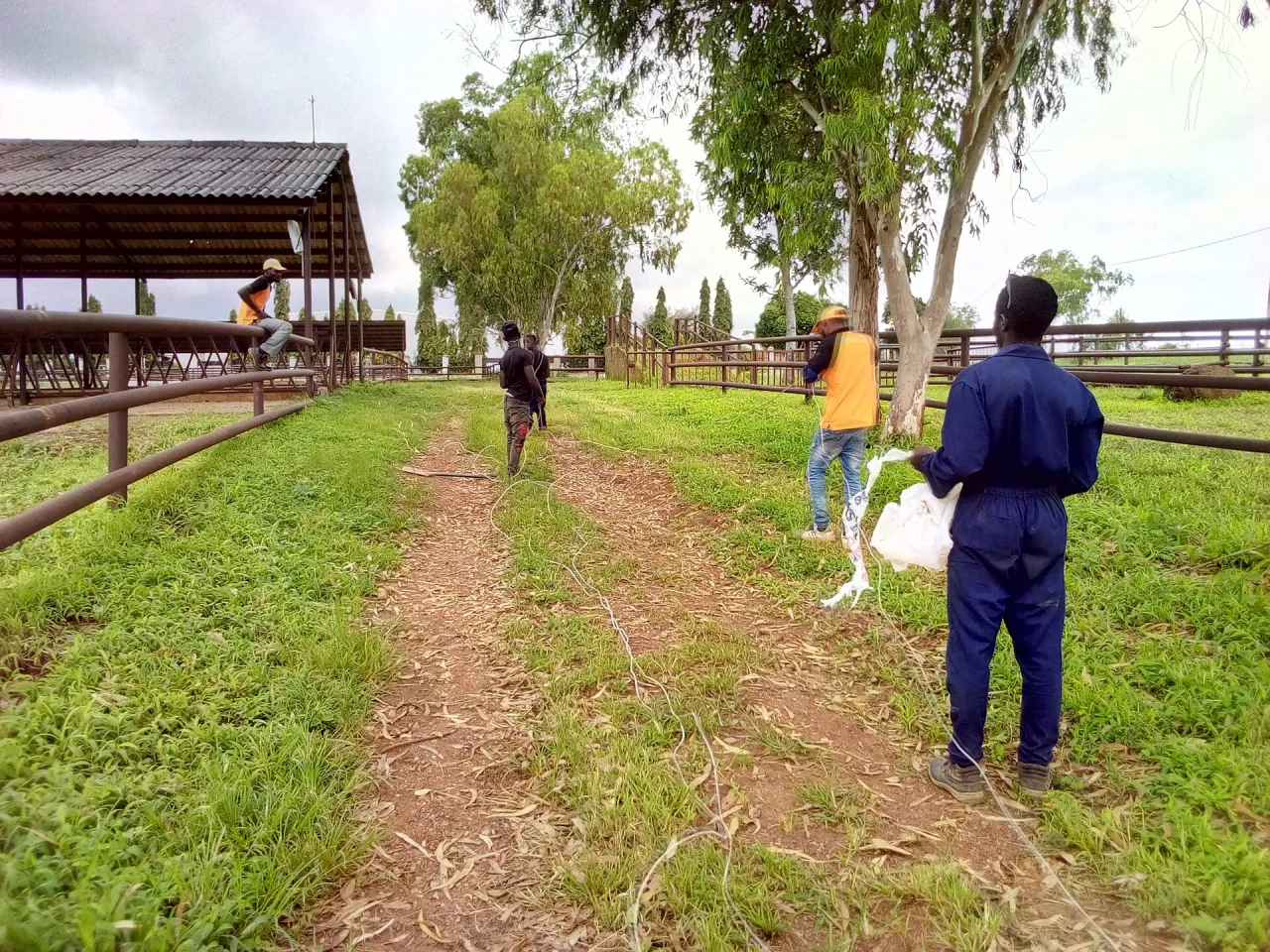
The FAO animal production resource places livestock within wider natural-resource and resilience considerations. That offers useful context for understanding why feed availability matters, but it does not provide a universal production plan or a forecast for what fodder will cost in a specific town.
Mechanization must match the operation
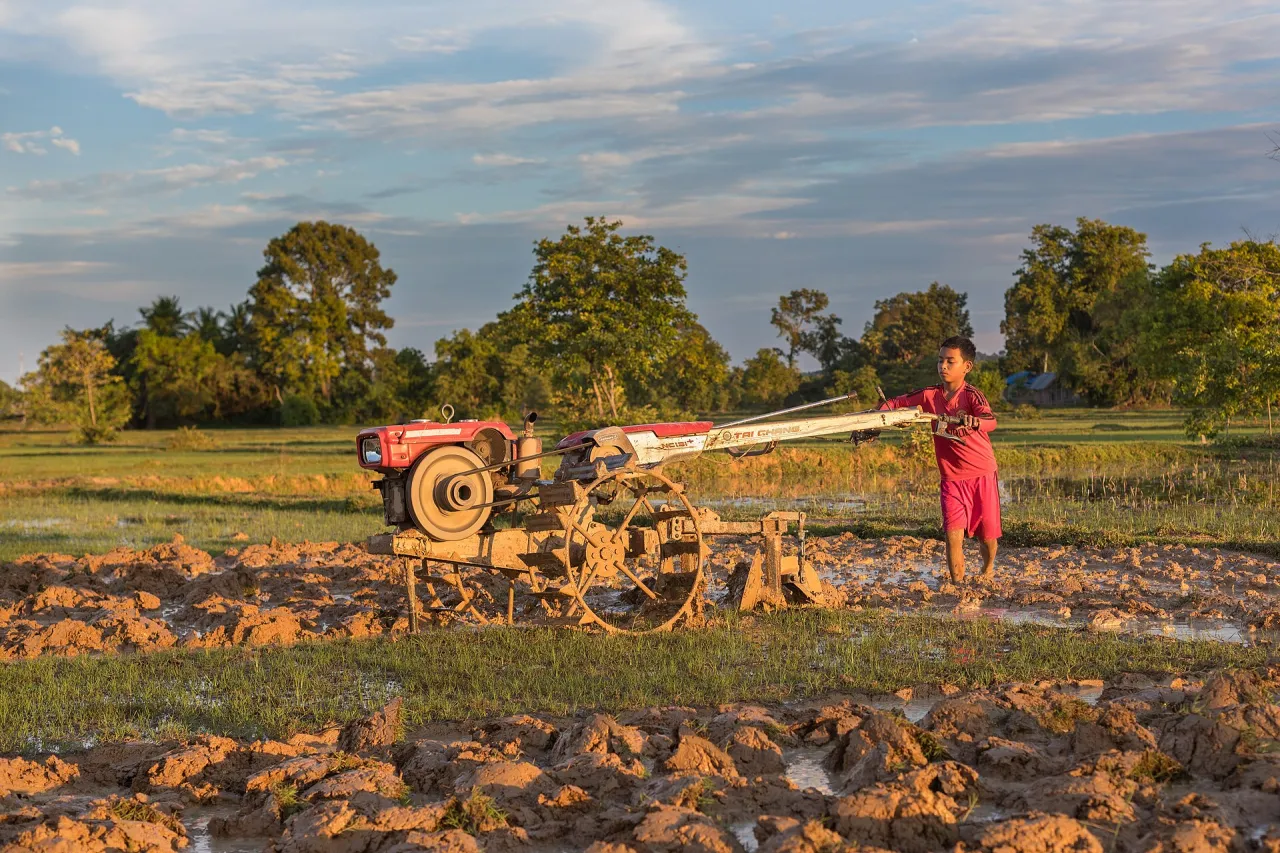
The ministry discussed ways of making feed-related activity more practical. Equipment may support harvesting, transport or processing, but the wrong purchase can create new costs instead of solving a shortage. Operators need technical assessment, responsible maintenance and realistic demand records before committing to machinery.
The FAO sustainable agricultural mechanization resource addresses the suitability of machinery and related support services. Its broad principles are relevant to business planning; any actual installation, feed process or machine sizing must be guided by appropriately trained specialists.
Watch the implementation channels
The official statement described work involving stakeholders and states, as well as planning around pasture and residues. The next questions are who is implementing what, where approved activities will occur and how operators can verify eligibility. Those details should be checked with responsible authorities rather than inferred from an article headline.
Illustrative example: A feed supplier receives an unsolicited form asking for money to join a new support scheme. The prudent response is to verify the sponsoring institution and published programme rules before sharing payment or identity information. This is a cautionary example, not a claim that a particular scheme is fraudulent.
Animal welfare and feeding advice require expertise
A shortage may tempt an operator to change feed ingredients without professional review. That can create avoidable animal-health risks. This article provides neither feed formulation nor recommended daily quantities. Animal nutrition depends on species, stage of production, health and local conditions, and qualified guidance remains important.
Farmers can still improve information management. Date purchases, record suppliers and note relevant conditions, then use those records during consultations. This helps distinguish what was observed from what was assumed, even if the farm has limited digital tools.
How enterprises can prepare responsibly
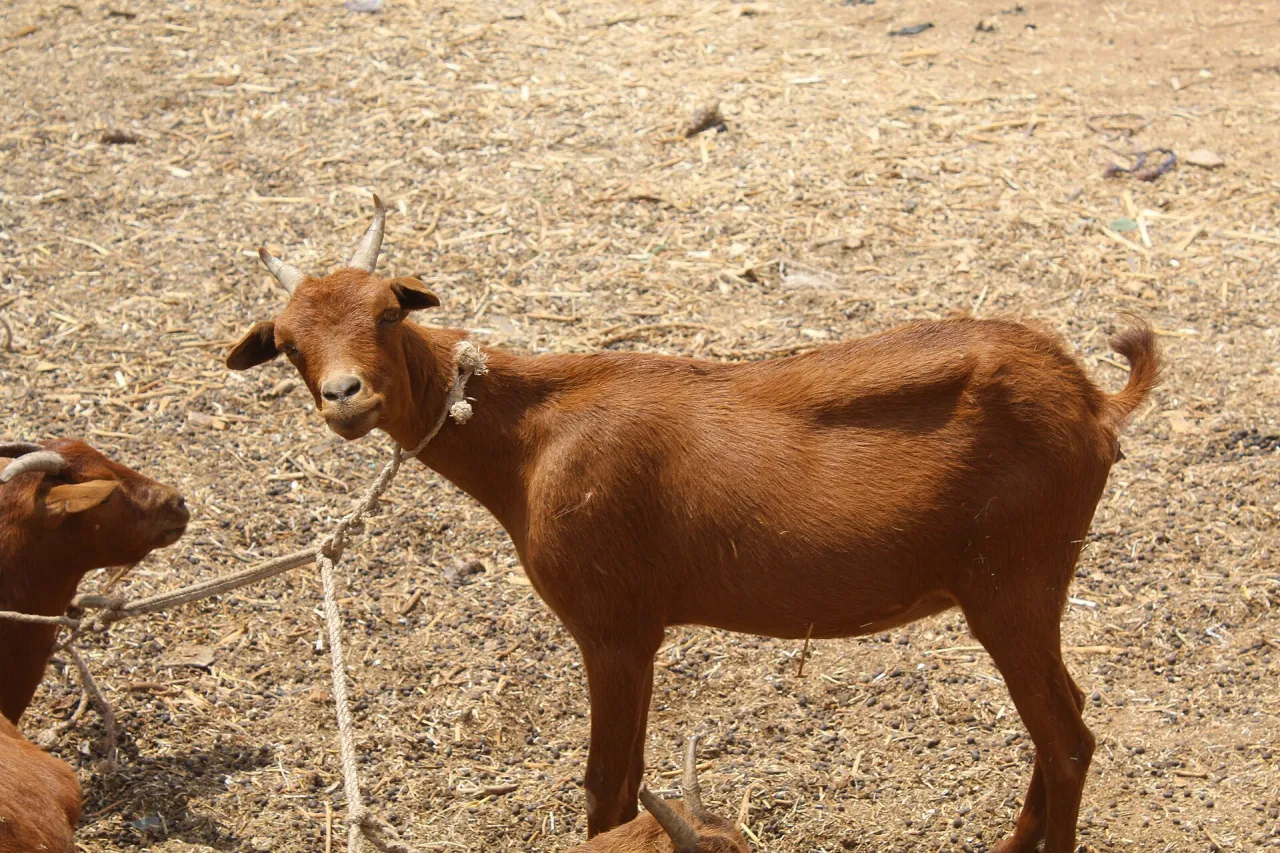
A cooperative may begin by reviewing how feed is sourced, where storage losses occur and which costs are most uncertain. A processor can ask whether potential partners have confirmed supply volumes rather than promising purchases on the strength of an announcement. Neither activity requires assuming future government support will arrive.
G-Consulting’s consultancy profile and agricultural processing page offer internal context for enterprise management. The firm is not being presented as an implementing agency for the new policy.
Judge progress by farm-level evidence
The strongest future indicator will not be how often the feed and fodder policy framework appears in speeches. It will be credible evidence about actual supply reliability, usable infrastructure, transparent implementation and the operating conditions faced by producers.
The October announcement creates an opportunity for a more coordinated approach to feed production. Operators should welcome reliable official information while continuing to make decisions from actual costs, technical needs and documented conditions. That balance matters far more than claiming the policy has already solved every seasonal shortage.