

A food and nutrition policy announcement on 29 October 2026 has brought renewed attention to the connection between food supply, health and public policy. Government broadcaster Voice of Nigeria reported that the Federal Executive Council approved a proposed National Nutrition Bill and a revised National Policy on Food and Nutrition.
Featured image: Confidence24 · CC BY-SA 4.0 · Source
For food processors, produce traders and agricultural businesses, the immediate task is to understand what has been approved and what still requires implementation. Approval of a bill at executive level should not be confused with proof that the bill has completed every step required to become an enforceable law.
What the council was reported to have approved
The 29 October report describes approval of the National Nutrition Bill 2026 and a revised food and nutrition policy. It says the documents were developed through consultations involving government agencies, development partners and other stakeholders, with an emphasis on coordination and improved nutrition outcomes.

The announcement sets out policy direction. It does not provide a complete list of immediately effective business regulations or compliance deadlines. Producers should await official legal and implementing texts before treating broad policy language as a specific requirement.
Why food-system coordination matters
Food moves through farms, processors, transporters, markets and households. A policy aimed at improving nutrition may affect several parts of that system over time. Reliable supply, appropriate storage, food safety, affordability and access all deserve attention, but the policy’s eventual measures must be examined individually.
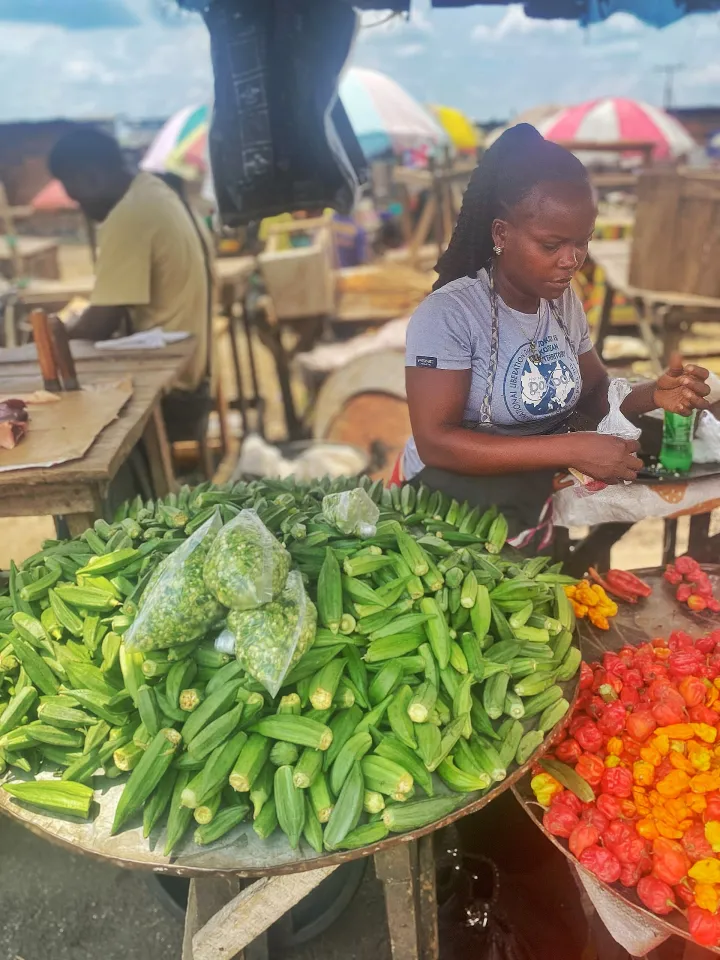
A trader at the Bakin Dogo Market in Kaduna may face different challenges from a processor in Anambra or a food vendor in Abuja. Broad policy ambitions should not be used to assert that every local market will receive the same intervention or that prices will fall by a particular percentage.
Quality and safety remain distinct responsibilities
The FAO food safety and quality resource explains the importance of food safety systems. Businesses should continue following applicable standards and qualified guidance rather than interpreting the policy announcement as permission to change current handling or labelling requirements.

Illustrative example: A small food processor preparing packaged grains considers clearer internal quality records. The operator still has to consult actual relevant rules and technical expertise; this example does not announce a new official label specification or an approved testing programme.
Market access is part of the bigger picture
A revised nutrition policy may raise useful questions about distribution, local availability and the role of small enterprises in supplying safe products. But participation in future programmes should only be claimed when the relevant implementing agency confirms it. Claims that all farmers are automatically eligible for a new supply contract would go beyond the announced facts.
The FAO markets and trade resource addresses agricultural market systems and food trade. Its broader subject matter helps explain why policy, production and access must be considered together, without implying any specific change has already taken place in a market in Lagos or Ilorin.
Do not confuse a bill with an enacted rule
The wording used to describe governmental decisions matters. A proposal, executive endorsement, legislative enactment, implementing regulation and agency guidance are different stages. Enterprises should avoid changing contracts or making compliance claims based solely on a headline about council approval.
If businesses receive messages alleging new mandatory registrations or instant penalties, they should check the official legal and regulatory source before paying fees or submitting details. Avoid relying on unverified screenshots or intermediaries who promise special access to a government programme.
What producers can do while awaiting details
Current business management can still improve through accurate stock records, supplier documentation, responsible product handling and regular review of actual customer needs. These steps are useful independently of the policy, and should not be described as new legal duties created by the October announcement.
Illustrative example: A fictional grain processor compares stock losses from one month with another, investigates causes and speaks with trained quality staff. That evidence may help operations, but it does not prove the company qualifies for any nutrition scheme.

Follow policy implementation with a critical eye
Future updates should clarify legal status, agency responsibilities, budgets, programme coverage and measurable outcomes. Stakeholders may ask how smaller processors, market traders and vulnerable communities will be reached. Claims about health or economic impact should be grounded in evidence rather than inferred from the number of policy documents approved.
G-Consulting’s rice-mill resource and consultancy profile give this discussion an enterprise and agricultural context. The site does not claim to administer the newly discussed policy.
The next chapter will be implementation
The food and nutrition policy update shows renewed institutional attention to supply and public health. Whether it leads to better outcomes depends on the final legal framework, actual investments, coordination and reliable assessment of results.
Businesses should follow official notices, continue complying with current requirements and base decisions on verified documents. A thoughtful response to current policy news begins by stating exactly what happened and refusing to invent what has not yet occurred.