
Cassava is common, but a commercial cassava business is not
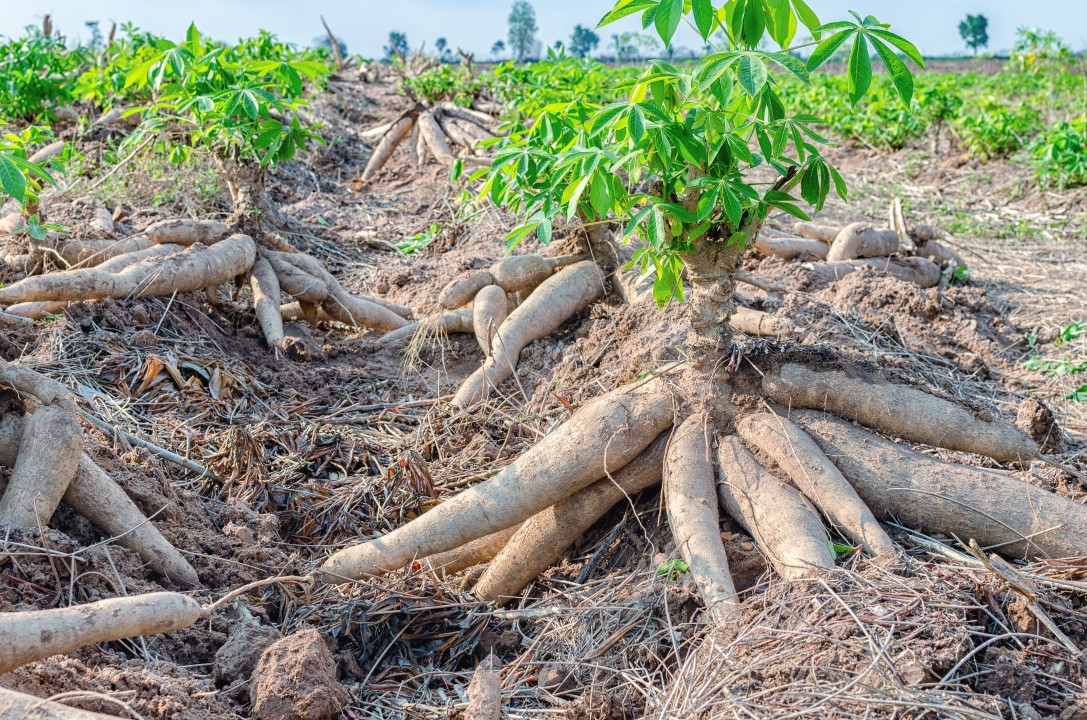
Cassava is one of those crops Nigerians know so well that it can easily be underestimated. It is planted in many communities, processed into familiar foods and traded every day. Because of that familiarity, investors sometimes assume the business is straightforward: plant cassava, harvest roots, find a processor and make money.
The reality is more demanding. Fresh cassava roots are bulky and highly perishable. Transport matters. Variety matters. Starch content matters for some industrial uses. A processing plant needs reliable throughput. Farmers need an economic reason to supply it. And the final product needs a market that will pay enough to sustain the chain.
This is why the real opportunity is not simply cassava farming. It is building a cassava value chain around a defined market.
Start with the product you intend to sell
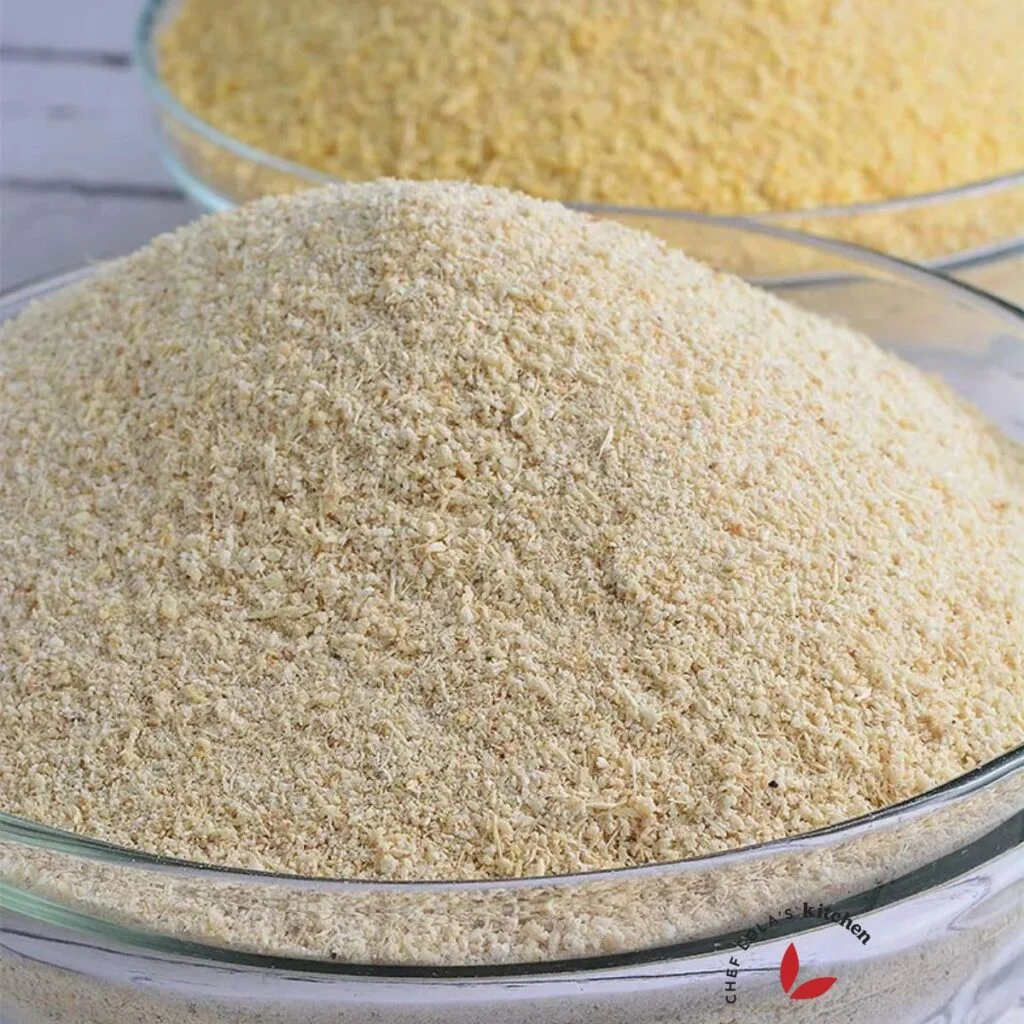
Garri is important, but cassava has other commercial pathways. Depending on technology and buyer demand, it can be processed into high-quality cassava flour, starch, chips and other food or industrial products. Different products require different specifications, equipment and economics.
An entrepreneur should therefore begin from the market backwards. Who is the customer? How much do they require? What specification? How often? What are they currently buying instead? Can the proposed product compete on quality, reliability and delivered price?
Also read: Nigeria Produces the Crop, But Who Controls the Market? Understanding Agricultural Aggregation
A processing project built around ‘cassava is abundant’ can still fail if the factory does not have committed customers.
The factory cannot be too far from the roots
Cassava loses quality after harvest and contains a lot of water, which makes long-distance transport expensive relative to value. Processing location is therefore a strategic decision.
A plant needs an adequate production catchment within economical distance. The entrepreneur should map farmer communities, road condition, seasonal accessibility, competing processors and expected root volumes.
IITA data and research around Nigerian cassava processors highlight issues such as sources of raw material, transport, variable costs, marketing and processing technology. Those are exactly the questions a commercial feasibility study should answer before equipment is ordered.
Farmers need the right variety for the market
Not every cassava variety performs the same way for every use. Farmers may prefer a variety because of yield or maturity, while processors may care about dry matter, starch characteristics or other qualities.
When processors and farmers do not communicate, the plant can receive roots that are plentiful but commercially unsuitable. Contract production, farmer training and clear procurement specifications can reduce that mismatch.
The seed or stem system also matters. If improved material is not available at the scale required, projected factory throughput may never materialise.
Processing economics should include the uncomfortable costs
Business plans often focus on equipment price and sales revenue. The less glamorous costs can be just as important: peeling losses, water, fuel or electricity, labour, maintenance, effluent management, packaging, transport, rejected batches and working capital.
Capacity utilisation is another major issue. A plant rated for a certain tonnage per day only earns when raw material is available, staff are working, power is available and finished product can be sold. A large factory operating far below capacity may be less competitive than a smaller, disciplined operation.
Before choosing the machine, calculate the supply and market that will keep it busy.
Waste can become another value stream
Cassava processing generates peels, wastewater and other residues that have to be managed responsibly. Depending on the scale and technology, some by-products may support animal feed, energy or other uses, while others require proper treatment.
The first objective should be safe and compliant waste management. After that, the entrepreneur can examine whether any residual stream has commercial value. This is better than designing the business around optimistic claims that every waste product will automatically become revenue.
Aggregation and farmer relationships decide whether supply will be stable
A processor may require roots every working day, while individual farmers harvest periodically. Somebody has to coordinate that difference. Farmer groups, aggregators and out-grower arrangements can build a more predictable supply base.
Pricing is important here. If farmers believe the factory price is unfair, they will look elsewhere or reduce production in the next cycle. If the processor pays too much relative to product value, the factory becomes unviable. Transparent quality and pricing rules help both sides plan.
Cassava becomes more interesting when we stop seeing only the root
Nigeria’s cassava opportunity lies in connecting production to processing, industrial demand, logistics, finance and organised markets. This is the same value-chain principle that applies to rice and other commodities, but cassava’s perishability makes coordination especially important.
IITA has supported cassava value-chain and agro-processing work for many years, including work with small and medium processors in Nigeria. IFAD’s Value Chain Development Programme has also focused on cassava alongside rice, linking farmers to markets and processing.
Also read: From Paddy to Profit: Where Nigerian Rice Businesses Lose Money Along the Value Chain
There is room for commercial growth. But the winning enterprise will not be the one that merely plants the largest field. It will be the one that understands what product the market wants, organises dependable root supply, processes efficiently and sells consistently. That is cassava beyond garri.