
The person with volume often has a different conversation
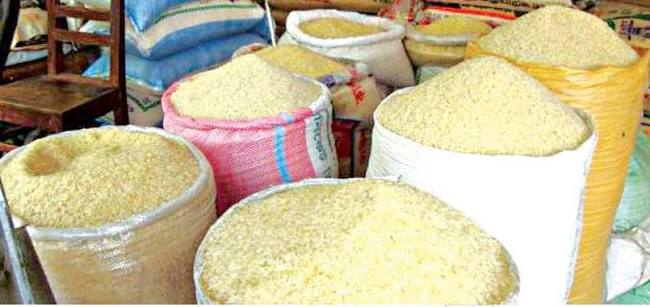
A farmer with twenty bags of maize has a product. An aggregator with five thousand bags has a market position. The crop may be the same, but the conversation with a processor, feed mill, commodity trader or institutional buyer is very different.
Nigeria’s agricultural sector is dominated by many small and medium producers. Individually, they may struggle to supply the volume, consistency and delivery schedule required by larger buyers. Aggregation is the business function that brings dispersed supply together and prepares it for an organised market.
This is why aggregation deserves to be treated as its own enterprise. It is not simply hiring a truck and buying whatever is available on market day.
A buyer is purchasing reliability as well as produce
Large buyers worry about more than price. They need to know whether the quantity will arrive, whether the quality will meet specification and whether the supplier can repeat the performance.

An effective aggregator reduces these uncertainties. The aggregator knows where production is coming from, when it will be ready, what quality is expected, how it will be stored and how it will reach the buyer.
That planning has value. In many cases, the buyer is willing to work with a dependable aggregator because managing hundreds of individual suppliers would be expensive and inefficient.
Aggregation begins before harvest
Weak aggregators appear when produce is already harvested and start calling farmers in panic. Stronger operators map supply much earlier. They know farmer locations, estimated acreage, crop stage, likely harvest dates and competing buyers.
Where the model includes out-growers, the aggregator may coordinate seed, inputs, extension and field monitoring. Even when there is no formal contract farming arrangement, pre-harvest relationships help the business estimate what will actually be available.
Agricultural supply is not a spreadsheet number. Flood, pest pressure, labour problems and rainfall can change output. Estimates therefore need regular field verification.
Quality control is the difference between volume and usable volume
Collecting 500 tonnes means little if the buyer rejects 100 tonnes. Aggregators must understand the specification of the market they are serving. Moisture, variety, size, cleanliness, contamination and packaging may all matter depending on the commodity.
Simple tools can make a large difference: calibrated weighing scales, moisture meters, sampling procedures, standard bags, lot identification and clear grading rules.
Farmers should know these rules before delivery. Rejecting produce after a farmer has transported it long distances creates conflict and can destroy the relationship for the next season.
Working capital can become the biggest constraint
Aggregation is cash hungry. Farmers often want payment immediately while the final buyer may pay after delivery, inspection or an agreed credit period. That gap has to be financed by somebody.
An aggregator can therefore appear profitable on paper and still fail because cash is trapped in inventory and receivables. Before promising to buy large quantities, the business should know its funding limit, payment cycle and exposure to price movement.
Off-taker advances, bank working-capital facilities, investor funds and structured commodity finance can help, but they must match the cycle.
Logistics can erase the trading margin
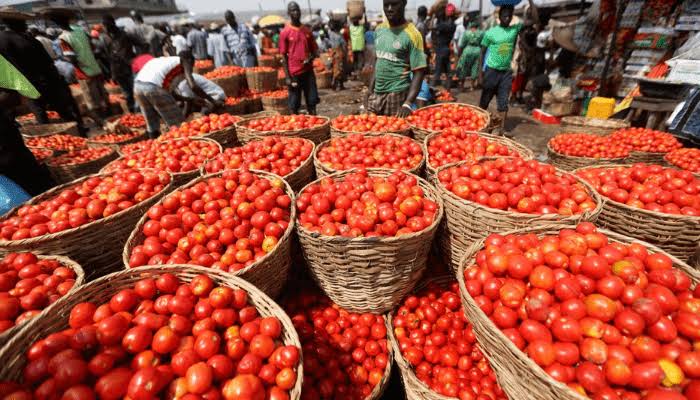
Agricultural commodities are physical. They must be loaded, moved, unloaded, stored and sometimes moved again. A narrow margin can disappear through poor route planning, half-loaded trucks, informal charges, damaged produce and repeated handling.
Also read; Why Nigerian Farmers Produce More but Still Earn Less: The Missing Agribusiness Value Chain
Aggregation centres should therefore be located with the supply area and destination market in mind. Bigger is not automatically better. A central warehouse that forces every farmer to travel too far may simply move the logistics burden back to the producer.
For perishable commodities, speed and temperature control become even more important.
Trust is an asset
Farmers remember aggregators who manipulate scales. Buyers remember suppliers who mix grades or fail to deliver. Employees remember when cash controls are weak. Aggregation sits in the middle of many relationships, which makes reputation commercially valuable.
Transparent weighing, prompt receipts, clear deductions and predictable payment help build farmer loyalty. On the buyer side, accurate communication matters. If a delivery will be late, say so before the truck is expected at the gate.
Digital records can help, but technology cannot replace integrity. A beautiful app connected to dishonest weighing is still a bad business.
also read: What Happens If Retirement Looks Depressive?
The next generation of aggregators will be information businesses too
The strongest aggregators will increasingly know more than the location of produce. They will know production history, farmer performance, quality trends, logistics costs, buyer demand and price movement. That information can improve credit decisions, production planning and market negotiation.
The World Bank’s 2026 AGROW programme for Nigeria places structured aggregation and market linkages between producer collectives and agribusiness off-takers among its core value-chain interventions. That direction reflects a wider truth: fragmented production becomes more commercially useful when it can be organised.
Nigeria certainly needs productive farmers. But between the farm and the factory, somebody has to coordinate volume, quality, movement and information. Done professionally, aggregation is not a middleman problem. It is a value-chain service.