
What happens after the harvest?
Nigeria’s agricultural conversation often begins with production: more hectares, more tonnes, improved seed, mechanisation and higher yields. All of these matter. But there is another question that deserves equal attention. What happens to the crop after it leaves the farm?
If additional production enters the same weak storage, transport and market system, farmers may simply face a larger glut. Perishable products can spoil. Prices can collapse. Traders may be the only actors with enough cash and logistics to take advantage of the situation.
Food processing changes the conversation because it can create a new form, a longer shelf life, a different buyer and sometimes a higher-value market.
Also read: Why Many Agricultural Cooperatives Struggle – and What a Bankable Cooperative Should Look Like
Processing creates time
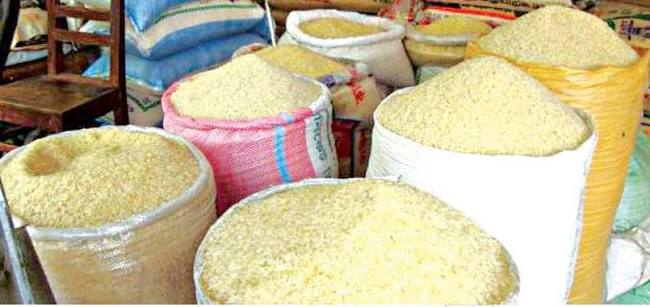
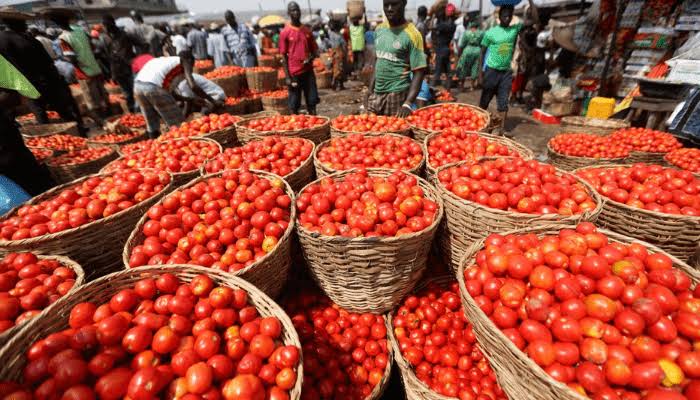
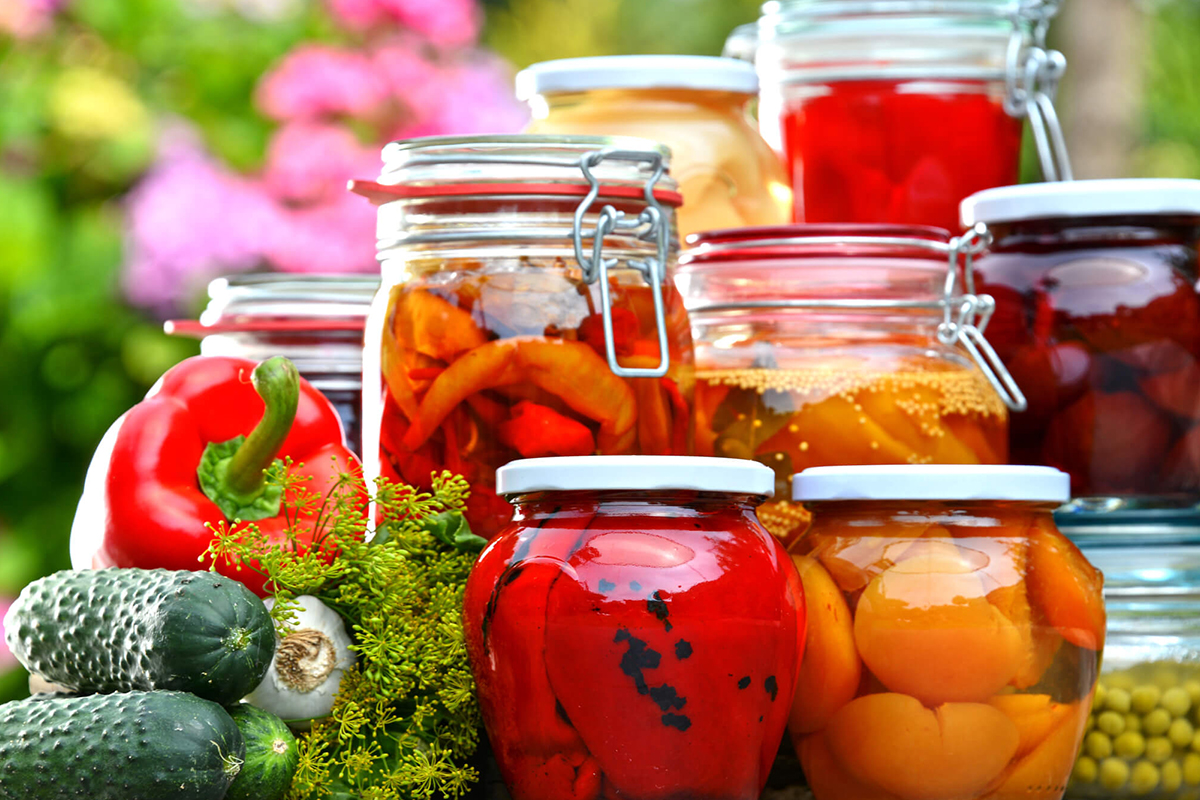
Fresh tomatoes can deteriorate quickly. Tomato paste can be stored much longer. Fresh cassava roots are bulky and perishable; processed products can move through different markets. Paddy has limited direct consumer use, while milled and packaged rice becomes a retail product.
This ability to create time is commercially important. A product that does not have to be sold immediately gives the business more options. It can reach farther markets and fit organised distribution systems.
Of course, processing does not eliminate loss automatically. Poor packaging, contamination, weak storage and bad inventory management can simply shift the loss from the farm to the factory.
Processing creates specifications
A factory cannot buy everything indiscriminately. It normally requires defined raw materials. That requirement can encourage better production discipline: the right variety, moisture, maturity, cleanliness and delivery schedule.
This can strengthen the relationship between farmers and industrial buyers. Farmers know what to produce; processors know what is coming; financiers can see a clearer market chain.
The World Bank’s 2026 AGROW programme for Nigeria places value addition through agro-processing and stronger market linkages among its priorities for crops including rice, maize, cassava and soybean. The policy logic is clear: production becomes more economically useful when it is connected to enterprises that can absorb and transform it.
Jobs appear in places that are not farms
Agriculture creates employment on the farm, but processing expands the number and type of jobs around agriculture. Factories need operators, electricians, quality-control staff, accountants, drivers, warehouse workers, marketers, maintenance technicians and managers.
Packaging suppliers, transport businesses, equipment fabricators, laboratories and distributors also participate. A functioning processing cluster can therefore support an ecosystem wider than the original crop.
This is one reason agro-industrialisation matters. It connects agriculture to manufacturing and services instead of treating farming as an isolated rural activity.
Also read: Why Many Agricultural Cooperatives Struggle – and What a Bankable Cooperative Should Look Like
The machine is usually the easiest part
Equipment suppliers are good at showing capacity: five tonnes per hour, ten tonnes per hour, twenty tonnes per day. Those numbers are attractive. The difficult questions come afterwards.
Where will the raw material come from every day? Can the catchment produce enough? What happens during the off-season? Is power reliable? What is the conversion rate? Who buys the output? How long do customers take to pay? What happens to waste? Who repairs the line when a critical part fails?
Many processing projects concentrate capital in equipment and underinvest in supply, quality control, maintenance, marketing and working capital. That imbalance can turn an impressive factory into an expensive warehouse for machinery.
Small processing can also be serious business
Nigeria’s opportunity is not limited to giant industrial plants. Well-run small and medium processors can serve local and regional markets if they maintain quality, cost control and reliable supply.
A community-scale rice mill, cassava-processing centre, feed operation or fruit-drying business can create value without pretending to be a multinational company. The right scale is the scale the market and raw-material base can support.
Growth can come later. Starting with oversized capacity and hoping the market will appear is a much more expensive experiment.
Food safety and quality determine whether value is really added
Processing creates responsibility. Once food is packaged and sold under a brand, the business must manage hygiene, contamination risk, labelling, traceability, weights, storage conditions and applicable regulatory requirements.
Quality systems should not be built only when a major buyer asks for them. They should form part of operations from the beginning. One serious quality incident can destroy years of brand building.
Nigeria can produce more, but it should also keep more value
IFAD’s experience with rice and cassava value chains shows the importance of processing and commercial linkages alongside production. IITA’s work with cassava processors similarly demonstrates how technology, market connections and enterprise capacity can expand what agricultural commodities become.
The larger opportunity for Nigeria is therefore not choosing between farming and processing. It is building chains where both are commercially connected.
We should certainly improve farm productivity. But we should also ask how much of what we produce can be cleaned, graded, processed, packaged, branded and sold by Nigerian enterprises. That is where agriculture begins to create a wider industrial economy.