

Export ambition is good; export preparation is better
Many Nigerian agribusiness owners eventually say the same thing: ‘I want to export.’ It is an understandable ambition. Larger markets can create new demand, foreign-currency revenue and opportunities for products that already have strong cultural or industrial demand outside Nigeria.
But export is not a magic word that improves a weak business. A company that cannot supply a customer consistently in Abuja or Lagos will usually find international buyers even less forgiving.
This is why the old G-Consulting principle – think local and act global – remains useful. Build the enterprise with global discipline, but make sure the local foundation is strong enough to carry it.
The product must be defined
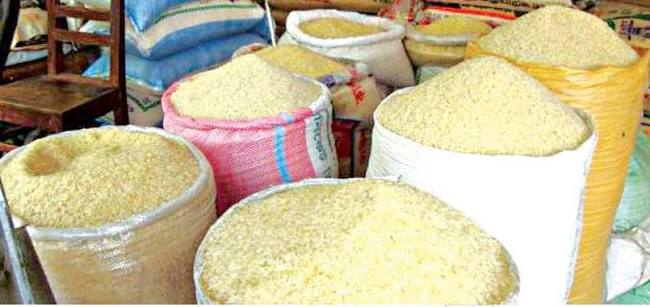
An exporter does not sell ‘cassava’ or ‘sesame’ in the abstract. Buyers purchase a defined product with specification. Moisture, purity, grade, size, residue limits, packaging, labelling and documentation can all matter depending on the commodity and destination.
Also read: Food Processing May Be Nigeria’s Bigger Agricultural Opportunity
The first step is therefore to know exactly what the target buyer wants. Do not produce first and begin asking for requirements when the container is ready.
Specifications should travel backwards through the value chain to farmers, aggregators and processors. If the export market requires a particular quality, everybody handling the product should know the rule.
Consistency is often harder than making one good batch
A Nigerian SME may be able to prepare one excellent sample for a buyer. The real test is whether the business can repeat that quality in the second, fifth and twentieth shipment.
Consistency requires documented processes, approved suppliers, quality checks, traceability and reliable equipment. Where smallholders supply the raw material, farmer training and aggregation controls become part of export readiness.
A buyer building a retail or manufacturing business around your product cannot afford surprises every month.
Regional markets should not be ignored
Going global does not always mean jumping directly to Europe, North America or Asia. West and Central African markets can offer opportunities for processed foods, grains, inputs and other agricultural products where trade conditions and buyer demand support it.
Regional expansion can also help a business learn cross-border logistics, documentation, distributor management and currency risk before entering more distant markets.

The African Continental Free Trade Area creates a policy framework aimed at deeper intra-African trade, but businesses still need to understand the actual rules, tariffs, standards and border procedures applicable to their products.
Diaspora demand is real, but quality expectations are also real
Nigerian and African diaspora communities create markets for familiar foods and ingredients. That does not mean every locally packaged product is export-ready.
Retailers abroad care about labelling, shelf life, food safety, traceability, packaging durability and regulatory compliance. A product that survives a short trip to a neighbourhood shop may not survive weeks of shipping, warehousing and distribution.
Export packaging is therefore part of product engineering, not decoration.
Logistics should be calculated before the selling price
A profitable ex-factory price can become an uncompetitive delivered price after haulage, handling, inspection, documentation, freight, insurance and destination charges are added.
Businesses should understand the relevant Incoterms and know exactly which costs and risks sit with the seller and which sit with the buyer. Even where a freight forwarder handles the process, management should understand what it is paying for.
Cash-flow timing matters too. Export transactions can lock up working capital for longer than domestic sales.
Exporters need evidence, not stories
Serious buyers may ask for company registration, production capacity, laboratory results, certifications, previous shipment records, product samples, references and details of the supply chain.
This is where years of basic business discipline suddenly become valuable. An enterprise with organised records can respond quickly. One that has operated entirely through informal messages may struggle to prove what it claims.
Digital catalogues and attractive websites help, but they do not replace compliance and capacity.
Do not chase every market
Also read: Why Many Agricultural Cooperatives Struggle – and What a Bankable Cooperative Should Look Like
A small agribusiness can waste considerable money trying to attend every expo, list products on every platform and speak to buyers in five continents at once. Market development should be focused.
Select a few products and a few target markets. Understand buyer segments, price ranges, competitors and regulatory requirements. Test small commercial transactions where possible. Learn, correct and expand.
Exporting is a process of building confidence on both sides.
Local strength is the foundation of global growth
A global agribusiness is still built from local farms, local staff, local infrastructure and local management. If those systems are weak, an export order can expose the weakness very quickly.
Nigeria has commodities and processed foods with real market potential. The opportunity becomes stronger when businesses move beyond ‘we have plenty’ and begin to speak the language buyers understand: specification, volume, consistency, delivery, certification, traceability and price.
Think local and act global is therefore not a slogan about abandoning the Nigerian market. It is a management mindset. Build locally with standards that allow the business to compete wherever the opportunity eventually comes from.