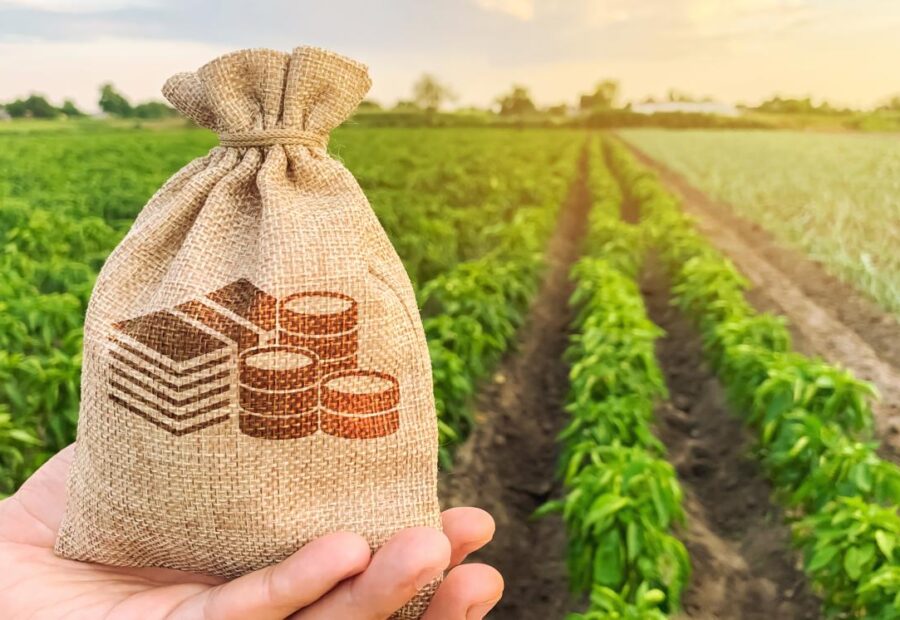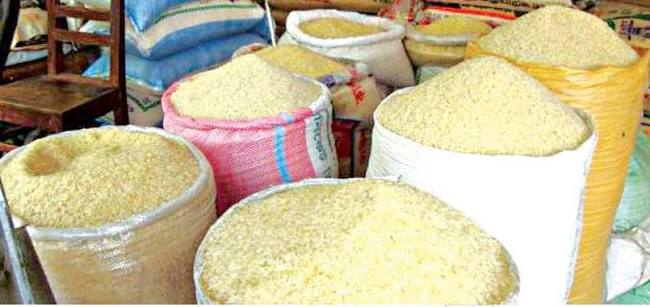

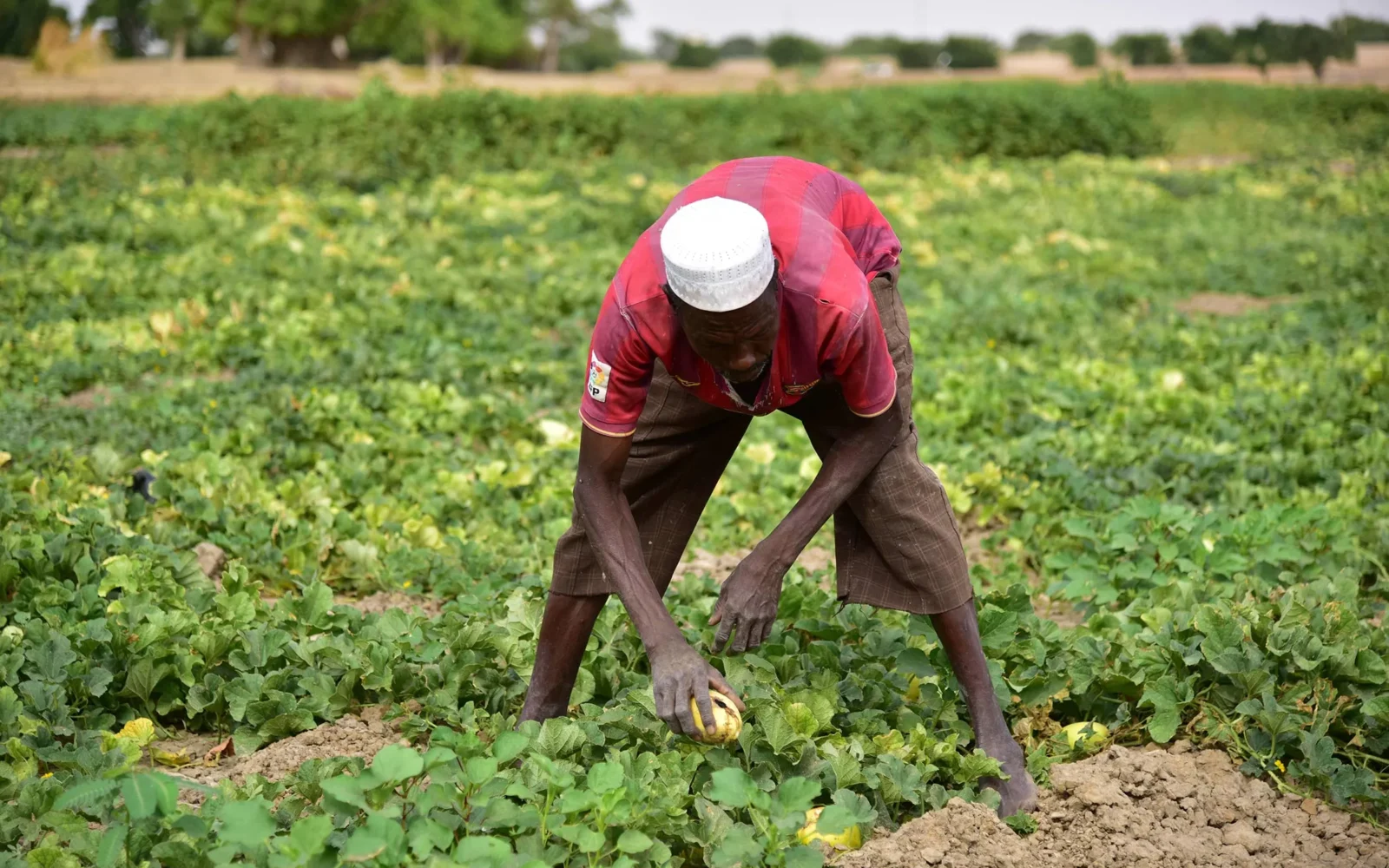
Production is not the same thing as prosperity
Nigeria has never lacked people willing to farm. Across the country, farmers plant rice, maize, cassava, vegetables, yam, sesame, soybean and many other crops every season. Yet one uncomfortable question remains: if more produce is coming out of our farms, why do so many farmers still complain that there is little or no money left after harvest?
The answer is not always low production. Sometimes the problem begins after production. A farmer can record a good harvest and still lose value through poor handling, distress sales, weak storage, expensive transport, inconsistent quality, delayed payment and lack of access to organised buyers. In other words, the farm may have done its job while the business around the farm has failed.
This is why G-Consulting has consistently argued that Nigeria must look beyond agriculture as an activity and begin to treat it as agribusiness. Agribusiness looks at the whole chain: inputs, production, aggregation, storage, processing, finance, logistics, marketing and the final consumer. Profit can be created or destroyed at every one of those points.
A bumper harvest can become a bad business result
Consider a tomato farmer who harvests at the same time as hundreds of other farmers in the area. Supply enters the market at once. The produce is highly perishable. There is little cold storage, the farmer has no processing arrangement and transport must be paid immediately. At that point, the farmer is not really negotiating from strength. The urgent question becomes, ‘Who will buy before this spoils?’
That pressure pushes many producers into distress sales. The same product may later be sorted, transported, processed, packaged and sold at several times the farm-gate value, but the person who carried the production risk may receive the smallest margin. This is not peculiar to tomato. Similar value leakages occur in rice, cassava, maize, fruit, livestock and other agricultural commodities.
The lesson is simple: increased production without a route to market can even deepen losses. Before an enterprise expands acreage, it should understand who will buy the additional output, in what form, at what quality, at what time and under what payment terms.
Aggregation changes the economics
Many organised buyers do not want to negotiate with two hundred individual farmers for two hundred small deliveries. They want volume, consistency, grading, traceability and a reliable delivery schedule. This is where aggregation becomes important.
A properly run cooperative, aggregator or out-grower network can combine supply, coordinate quality, reduce transaction costs and negotiate with processors or institutional buyers. It can also make mechanisation, transport and input procurement more efficient. But aggregation must be a business system, not merely a group name registered at a government office.
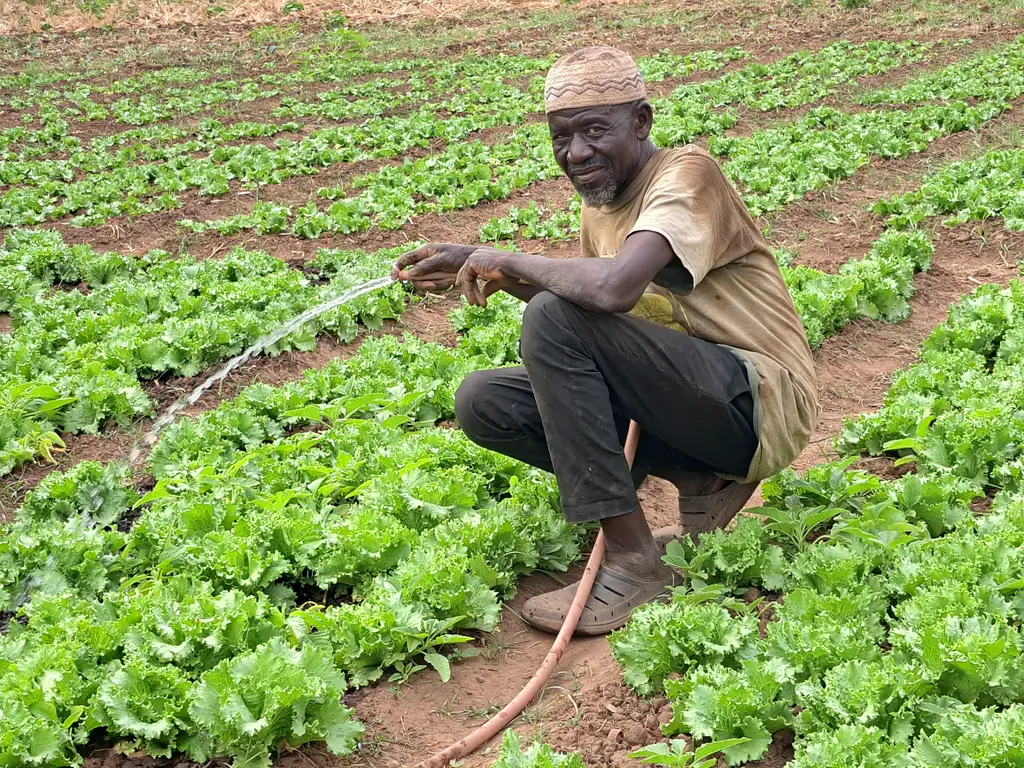
Records matter. Quality specifications matter. Governance matters. Somebody must know what each farmer supplied, the moisture level, deductions, selling price, logistics cost and payment due. Once those basics are weak, trust collapses quickly.
Processing is where a large part of value can be captured
Raw agricultural produce usually has a limited life and a limited market. Processing can change both. Paddy becomes milled rice. Cassava becomes garri, high-quality cassava flour, starch or other industrial products. Maize can move into feed and food-processing channels. Fruit can be dried, pulped or turned into juice where the economics support it.
Processing, however, is not an automatic money machine. A mill without enough raw material can sit idle. A processor without quality control can produce goods that buyers reject. Power, maintenance, packaging and working capital can quietly consume the expected margin. That is why production and processing should not be planned as two separate worlds.
When G-Consulting was commissioned to establish a rice-milling operation, the work was approached from production through milling and market readiness, not simply from the purchase of a machine. That value-chain thinking remains relevant today. A machine is only one component of an enterprise.
Finance should follow the cash cycle
Another missing link is finance that does not understand agriculture. A crop enterprise may spend for months before generating significant cash. A processor may need to buy large quantities during harvest and hold inventory for later sale. If finance is structured with repayment dates that ignore these realities, even a viable business can be pushed into default.
The financier should understand the commodity cycle, but the entrepreneur also has a responsibility. Proper records, realistic yield assumptions, buyer evidence, inventory control and cash-flow planning make an agribusiness easier to finance. Passion is useful. Evidence is better.
There are also financing models beyond the conventional loan. Off-taker finance, supplier credit, leasing, structured cooperatives, warehouse receipts and risk-sharing arrangements can all play a role when properly designed.
The real opportunity is to connect the chain
Recent agricultural programmes in Nigeria are again placing emphasis on stronger value chains, aggregation, post-harvest handling, processing and market access. That direction makes sense because productivity alone cannot solve a commercial problem. Farmers need to be connected to profitable systems.
For an individual investor, cooperative, government programme or development organisation, the better question is therefore not only, ‘How many hectares can we cultivate?’ Ask also: Where will the produce go? Who needs it? What specification do they require? Can we store it? Can we process it? How will we move it? Who finances the cycle? Who carries each risk?
Nigeria does not need to abandon production. We need to make production part of a stronger business architecture. When the chain works, the farmer can earn more, processors can operate more efficiently, lenders can see clearer cash flows and consumers can receive more consistent products. That is when agriculture begins to behave like the enterprise it should be.