
The problem with selling because you have no choice
Harvest time should be a period of reward, but for many agricultural businesses it is also the period of greatest pressure. Inputs have been paid for. Labourers are waiting. Transporters want their money. A lender may be expecting repayment. School fees and household expenses have not disappeared because the farm has reached harvest.
The result is familiar: produce enters the market in large quantities and many farmers sell quickly, not necessarily because the price is attractive but because cash is urgently needed. This is one of the reasons structured warehousing deserves more attention in Nigerian agribusiness.
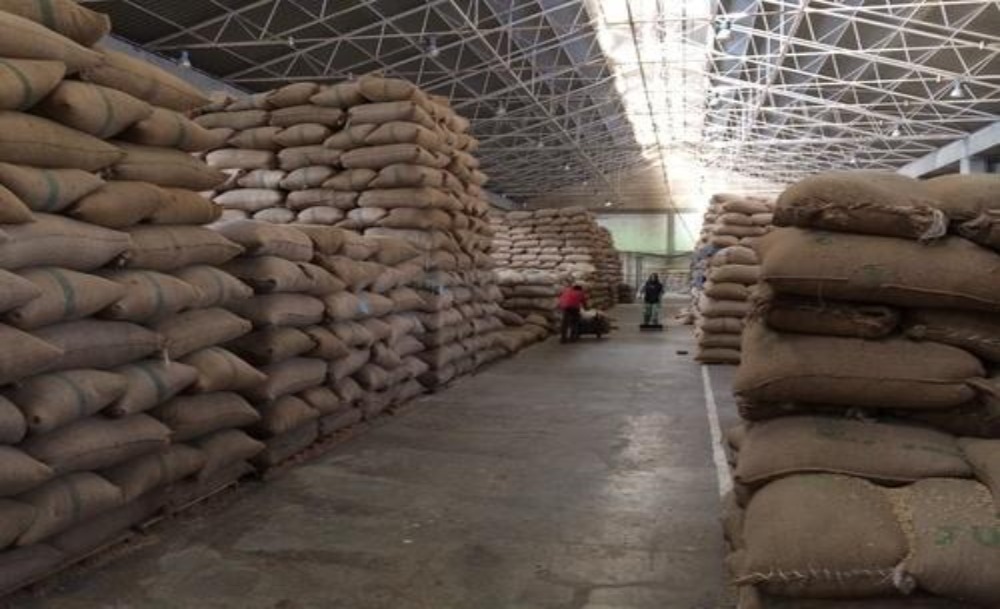
A warehouse receipt system is more than putting bags inside a building. In a properly structured arrangement, commodities are delivered to an approved warehouse, inspected and recorded. A receipt represents the stored commodity and can support trading or, depending on the programme and financier, financing against the value of the commodity.
Why the receipt matters
Ordinary storage solves only one problem: where to keep the produce. A warehouse receipt adds evidence. It identifies that a stated quantity and grade of commodity is held in a defined facility under an organised system.
That evidence can reduce some of the uncertainty that makes agricultural finance difficult. Instead of a borrower merely saying, ‘I have 300 bags of maize somewhere,’ a structured system provides records that can be verified. The commodity itself can become part of the financing conversation.
Nigeria’s Securities and Exchange Commission has rules covering commodity exchanges, warehouse receipt systems, collateral management and warehousing operations. In 2026, the SEC also restated registration requirements for warehouses and operators linked to electronic warehouse receipts used on commodity exchanges. This is important because trust is the foundation of the model. A receipt has little value if nobody trusts the warehouse behind it.
Storage can give a business time
Time is one of the most undervalued assets in commodity trading. A farmer who must sell today accepts today’s price. A business that can store safely may have the option to choose a later market window, subject of course to storage cost, price movement and quality risk.
That does not mean prices will always rise after harvest. They may not. Warehouse receipts should never be presented as a guarantee of profit. The benefit is that a business can make a more deliberate decision rather than a forced decision caused by lack of storage or immediate cash.
This distinction is important. Good agribusiness is not based on assumptions such as ‘price always goes up.’ It is based on records: historical price movement, storage cost, financing cost, expected losses, insurance where applicable and confirmed demand.
Quality determines whether stored produce creates value
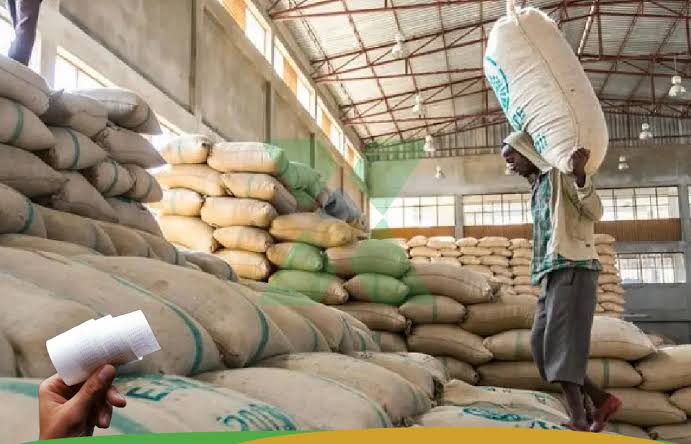
A warehouse cannot rescue poor-quality produce. If paddy enters with excessive moisture, if maize contains mould or foreign matter, or if bags are not properly handled, storage can simply preserve a problem – or make it worse.
Professional warehousing therefore begins before the produce reaches the warehouse. Drying, cleaning, grading, bagging, fumigation protocols and traceability should be defined. For processors, consistent raw-material quality improves conversion and reduces waste. For buyers, it reduces arguments over specification.
This is particularly relevant for farmer groups. Collective storage only works when the group agrees on quality rules. One member should not be allowed to mix inferior produce into a common lot and transfer the loss to everyone else.
Who can benefit?
Warehouse receipt systems can be useful to commercial farmers, cooperatives, aggregators, processors, traders and financiers, but the use case is different for each one. A cooperative may use warehousing to consolidate members’ produce. A processor may use it to build raw-material inventory. A trader may use it to organise purchases. A financier may use the receipt and related controls to better understand the collateral position.
The system works best where the commodity is standardisable, the warehouse is credible, records are strong and there is an active market. The weaker those conditions are, the harder it is to turn a receipt into genuine commercial value.
What an agribusiness should check before participating
First, confirm who regulates or recognises the warehouse and what exactly the receipt represents. Second, understand all charges: handling, storage, grading, insurance, finance and eventual release. Third, understand the dispute process if quantity or quality is challenged. Fourth, know the conditions under which a financier will recognise the receipt. Do not assume that every bank will lend simply because a commodity is in storage.
Also examine the market. If the expected price increase is smaller than storage and finance costs, waiting may destroy value rather than create it. The mathematics should be done before the commodity enters the warehouse, not after three months of accumulating charges.
For Nigeria, the larger opportunity is significant. Structured warehousing can connect production, commodity trading and finance in a way that informal storage cannot. But the model will grow only where warehouse integrity, grading, regulation, insurance, transparent pricing and enforcement are taken seriously. Agriculture needs capital, yes. It also needs systems that give capital something reliable to work with.