

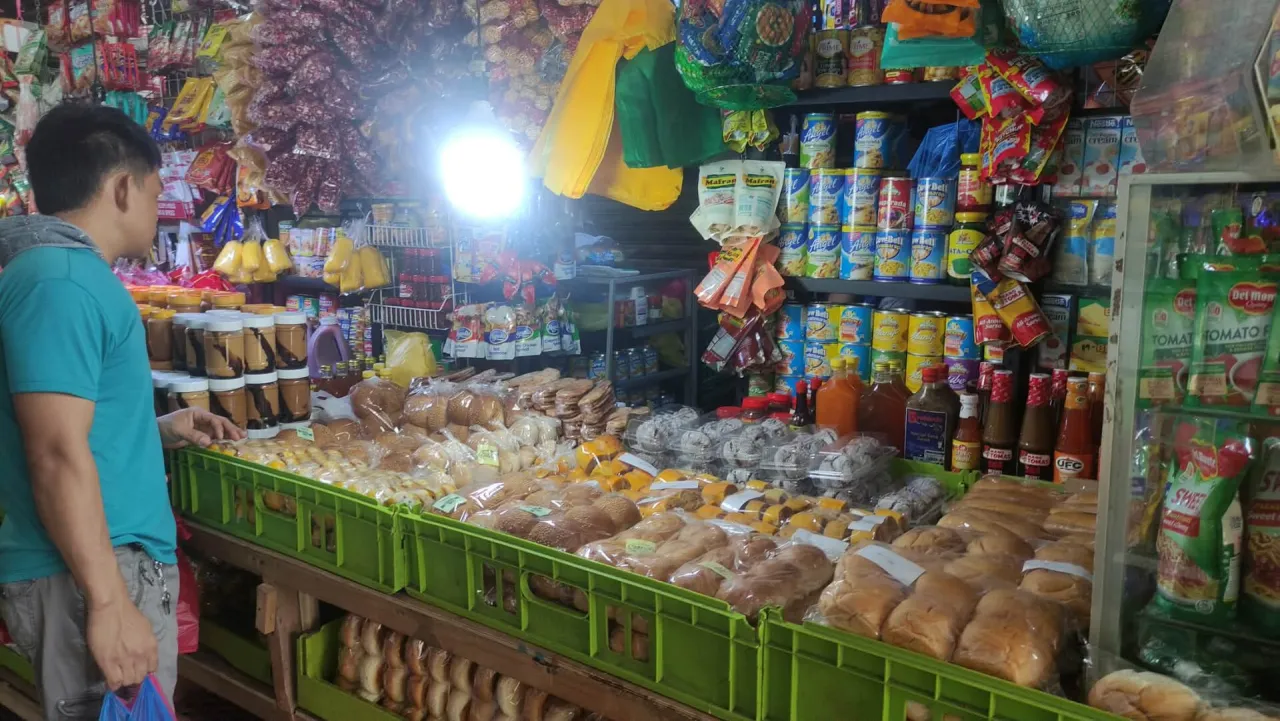
A processor can spend months perfecting a packaged food product only to learn that the people approached prefer a different size, delivery frequency or payment arrangement. A buyer interview sheet offers a low-cost way to test commercial assumptions before investing in labels, new equipment or large batches. This is particularly important when a seller is moving from casual sales to supplying shops, food vendors, institutions or distributors.
Featured image: PAULIX04 · CC BY-SA 4.0 · Source
The goal is not to obtain flattering comments about an idea. It is to discover how customers currently buy, what problems they face, and whether the proposed product solves one of those problems. All business situations and numbers in this guide are illustrative examples, not evidence about a named Nigerian enterprise.
Start with the buying decision, not your product pitch
A wholesaler may care about reliable volumes and consistent packaging, while a household buyer may care more about convenience and affordability. Ask which decisions the person actually makes. Someone who likes a product but cannot approve purchasing is useful for feedback, but is not the same as a decision-making buyer.

The FAO Markets and Trade resource considers agricultural markets and trade in food systems. Its subject matter underscores that production and market access are connected but different activities. Sellers should investigate market requirements directly rather than assume buyers will purchase simply because the crop can be produced.
Choose a small, varied interview group
Begin with a short list drawn from the actual customer types you hope to serve. For example, a cassava processor might speak with independent retailers, small restaurants and repeat household buyers. Do not call one friendly relative a representative sample of a whole state. If you conduct only six discussions, report six discussions rather than implying a survey of hundreds.
Ask permission to take notes and explain that the discussion is for product planning. Avoid collecting private financial or identity details that are unnecessary. Note the person’s customer type instead of publishing their name. Customers are more likely to speak freely when they know their answers are not being used as unsolicited testimonials.
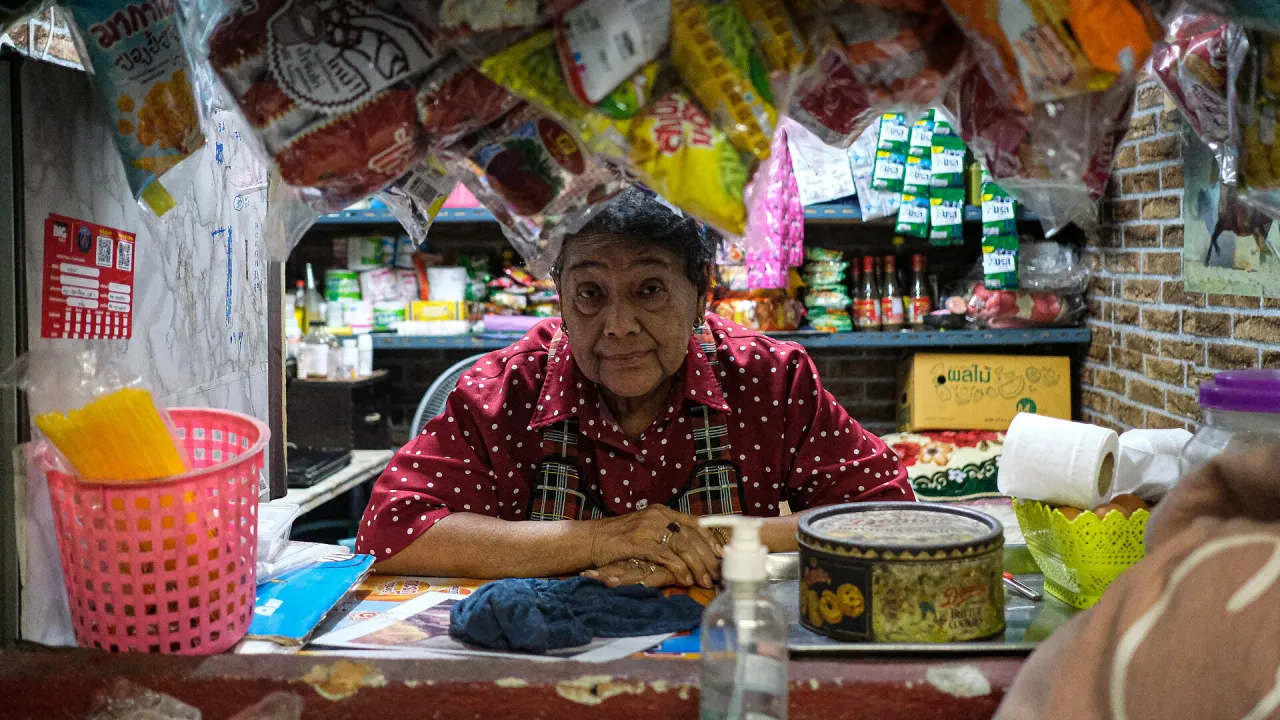
Use questions that reveal behaviour
Questions such as ‘Would you buy this?’ invite polite answers. More useful questions ask when the person last purchased something comparable, what packaging they chose, how frequently they replenish stock, what made an order difficult, and what would cause them to reject a supplier.
Illustrative example: A shop owner says a proposed one-kilogram pack would not fit their current shelves and that a smaller pack sells more easily to their customers. Another buyer says their main problem is inconsistent deliveries, not package size. These answers suggest distinct tests; they do not prove market demand without further observation.
Make a practical one-page interview template
Create columns for interview number, type of buyer, most recent buying occasion, product or service currently used, preferred quantity, usual ordering channel, major frustration, evidence volunteered and proposed follow-up. Use simple phrases rather than a long transcription. Keep questions consistent enough to compare patterns, with room for surprising answers.

Illustrative example: Record ‘three shop managers described delivery timing as important’ only if three people actually said so. If one customer mentioned it, write ‘one customer’. The record should distinguish direct quotes, the interviewer’s interpretation and untested business ideas. This keeps decisions honest even when the sample is small.
Test the offer before expanding
Use responses to design a small, lawful market test with clear terms: a sample, a limited order or a trial delivery. If possible, ask about the quantity and terms a buyer would actually accept, not merely what price sounds attractive. Confirm real costs and capacity before committing to supply. The hypothetical results of a trial should never be presented as completed sales.
The ILO Start and Improve Your Business programme covers marketing, costing and enterprise planning. In practice, these activities must connect: a desired price means little if packaging, transport, damaged goods and customer credit make the order unprofitable. The World Bank SME finance overview highlights financial constraints on businesses; avoiding large unsupported stock decisions can be valuable when resources are limited.

Turn interview notes into a decision table
After several conversations, group feedback into three categories: repeatedly observed needs, conflicting preferences and assumptions still untested. Decide on one next experiment for each major uncertainty. For example, compare two packaging sizes in small quantities instead of investing immediately in a full packaging redesign.
Do not treat customer statements as binding purchase orders. Document the difference between interest, an agreed sample trial, an actual order and cash received. If selling food, seek appropriate product quality, labelling and regulatory expertise before commercial distribution. An interview guide cannot replace those requirements.
Keep the learning inside the organisation
Discuss the results with production, sales and finance. A sales team might promise attractive quantities while production cannot reliably deliver them. Choose an owner for each follow-up, a review date and one evidence-based decision. Keep interview records secure and discard contact information that is no longer needed.
G-Consulting’s consultancy and agribusiness profile connects this work to wider enterprise planning. Its contact page offers a real channel for enquiries about services. A practical buyer interview sheet cannot tell you the future, but it can stop a business spending scarce capital on an untested assumption.